





A Triumph for Ergonomics: How to Scientifically Protect the Spinal Health of Adolescents?
**[Health Perspective]** Recently, a research report on "sitting posture and scoliosis" has attracted attention in the education sector. Data shows that unsuitable school desks and chairs are a significant contributing factor to abnormal spinal development in adolescents. In response, China's new national standard explicitly requires that desks and chairs for lunch breaks must have ergonomic adjustment functions to scientifically support the neck, back, and waist.
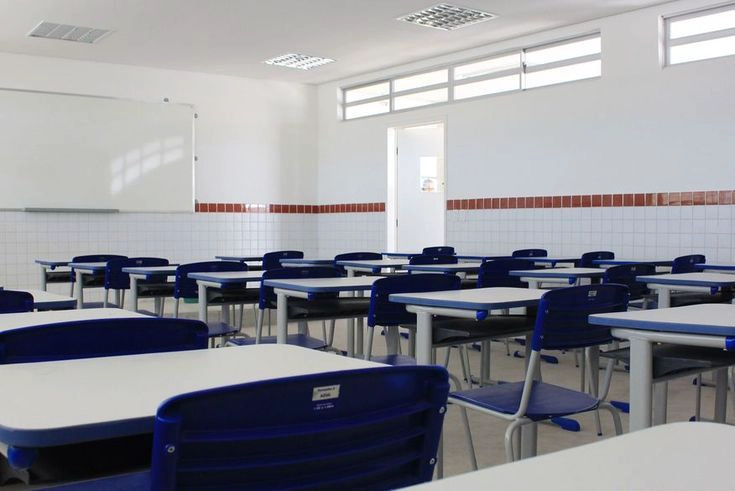
Traditional fixed-height desks and chairs often lead to the awkward situation of "tall people sitting at low desks, and shorter people standing on tiptoe." New adjustable desks and chairs break this deadlock. For example, the Yongyi ergonomic lunch break chair introduced by a primary school in Shanghai, with its adjustable lumbar support and headrest, can be adjusted to the most comfortable angle according to the student's height and body type. This dynamic adaptation design concept effectively avoids static pressure, allowing the spine to maintain its natural physiological curvature even during rest.
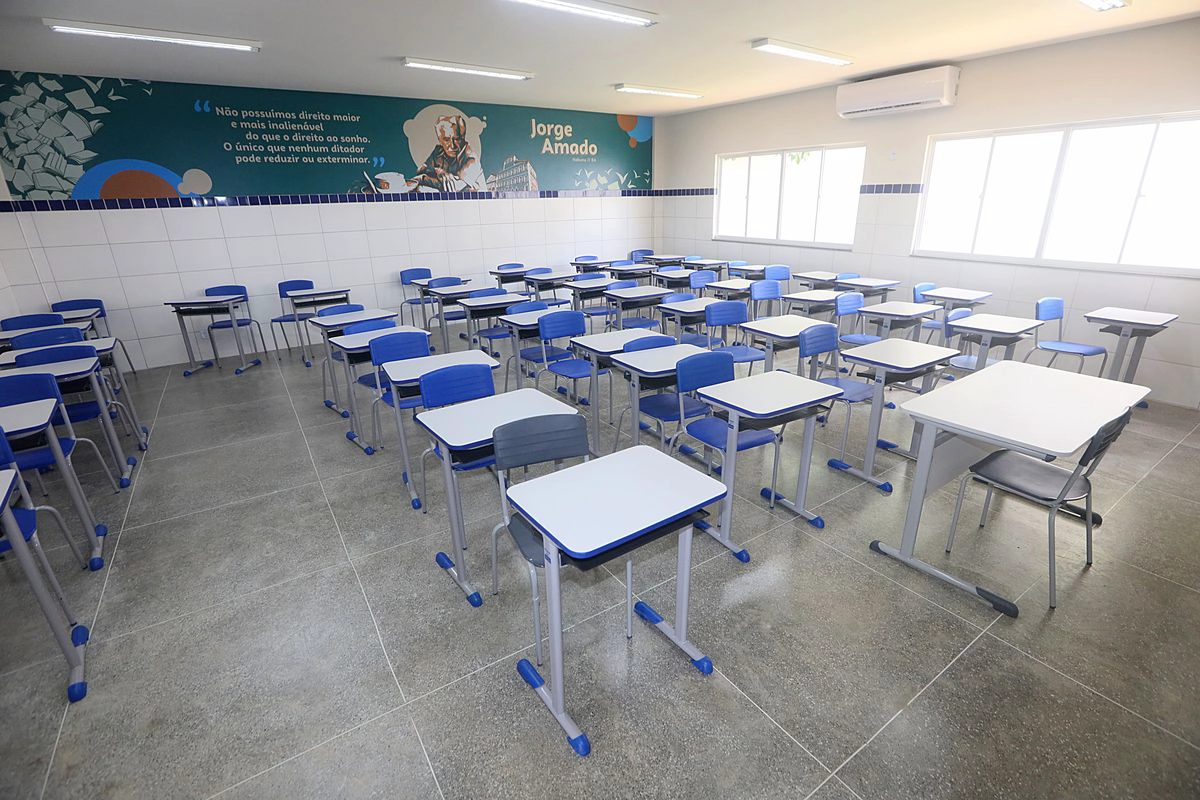
This shift from "passive adaptation" to "active support" represents a major upgrade in the concept of educational equipment. When school desks and chairs are no longer static, cold objects, but intelligent partners that "grow" with children, we can reduce the incidence of scoliosis at its source. This is not only a technological advancement, but also the highest respect for the laws of life's growth.