






Acoustic Stadium Chair: How Seat Design Is Quieting Noise Complaints in Urban Venues
Open-air concerts and football matches in dense urban neighborhoods generate a constant source of conflict: noise. While no one can silence a roaring crowd, the seats themselves can now play a surprising role in managing sound. The acoustic stadium chair is being specified by venues that need to be better neighbors.
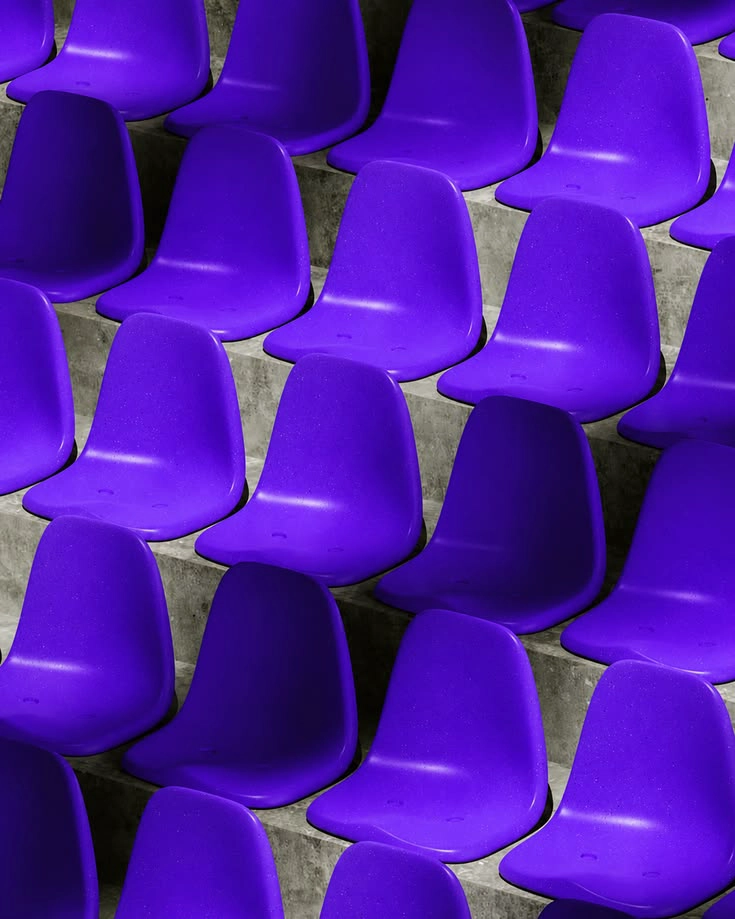
The physics of stadium noise is complex. The crowd's roar reflects off hard surfaces — concrete, metal, and, critically, the plastic shells of the seats themselves. An unoccupied plastic stadium chair is essentially a reflective panel, bouncing sound waves back into the atmosphere and toward surrounding residential areas. A new generation of acoustic stadium chairs addresses this by engineering the seat shell to absorb rather than reflect sound. The shell is molded with a micro-perforated surface, behind which lies a thin layer of open-cell acoustic foam. This construction transforms the stadium chair into a broadband sound absorber, particularly effective at the mid-range frequencies of human voices and amplified music. When the seats are empty, the hall's reverberation time drops noticeably; when occupied, the combined absorption of the chairs and the crowd itself creates a more controlled acoustic environment.
The benefits extend beyond noise reduction for neighbors. In a concert venue, the acoustic stadium chair helps reduce echo and improve sound clarity for the audience. Sound engineers have long struggled with the "empty room" problem: a venue that sounds great when full can be a muddy mess during a soundcheck in an empty stadium. Acoustic seats narrow this gap, making the rehearsal experience more predictive of the live show. For sports venues, the acoustic treatment reduces the harshness of the crowd noise, making announcements and music more intelligible. One major European soccer stadium installed 30,000 acoustic seats as part of a renovation, and the local municipality reported a 5-decibel reduction in the noise level measured at nearby homes during matches. That may not sound like much, but in decibel terms, it represents a meaningful reduction in the disturbance to residents.
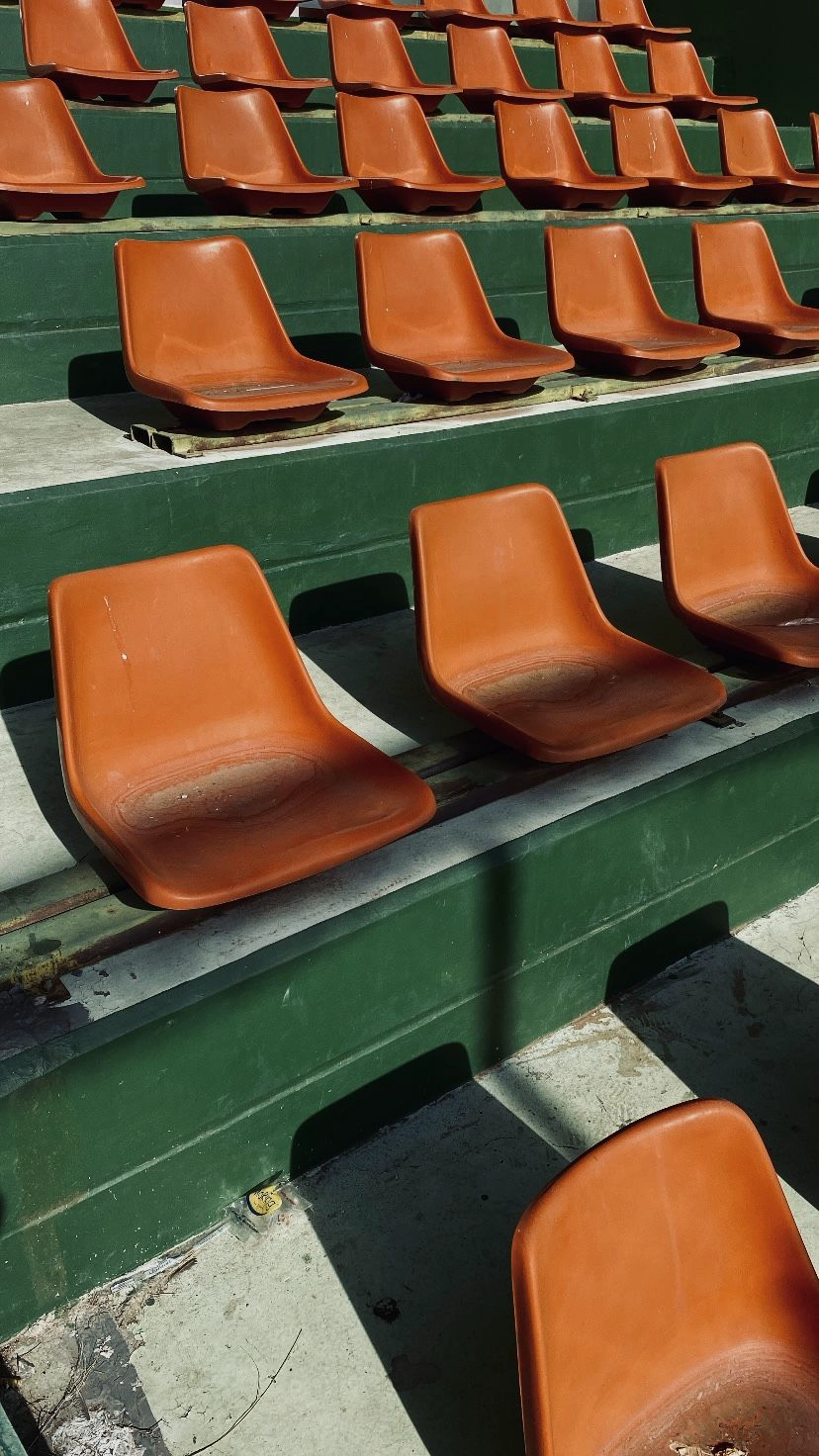
The material science behind this acoustic stadium chair is deceptively simple but highly effective. The micro-perforations are tiny enough to be invisible to the eye and to resist clogging from dust and rain, but large enough to allow air to pass through into the foam layer. The foam itself is a hydrophobic, fire-retardant material that will not absorb water or promote mold growth, making it suitable for outdoor use. The acoustic properties are achieved without compromising the chair's structural integrity or its cleanability. Venue operators can still pressure-wash the seats between seasons, and the acoustic material is unaffected by the cleaning chemicals. As urban stadiums continue to be built closer to residential areas, the acoustic stadium chair is emerging as a vital tool for maintaining good community relations and securing the permits needed to operate in densely populated environments.