





Antimicrobial Stadium Seats Are The New Post-Pandemic Standard, As Fans Demand Cleaner Venues
The COVID-19 pandemic changed a lot of things about how we think about public spaces, and one of the biggest changes is the demand for cleaner, more hygienic venues. That's why antimicrobial stadium seats are quickly becoming the new standard, with 60% of new venue tenders now requiring these hygienic seats, as fans and venues prioritize health and safety, even after the pandemic is over.
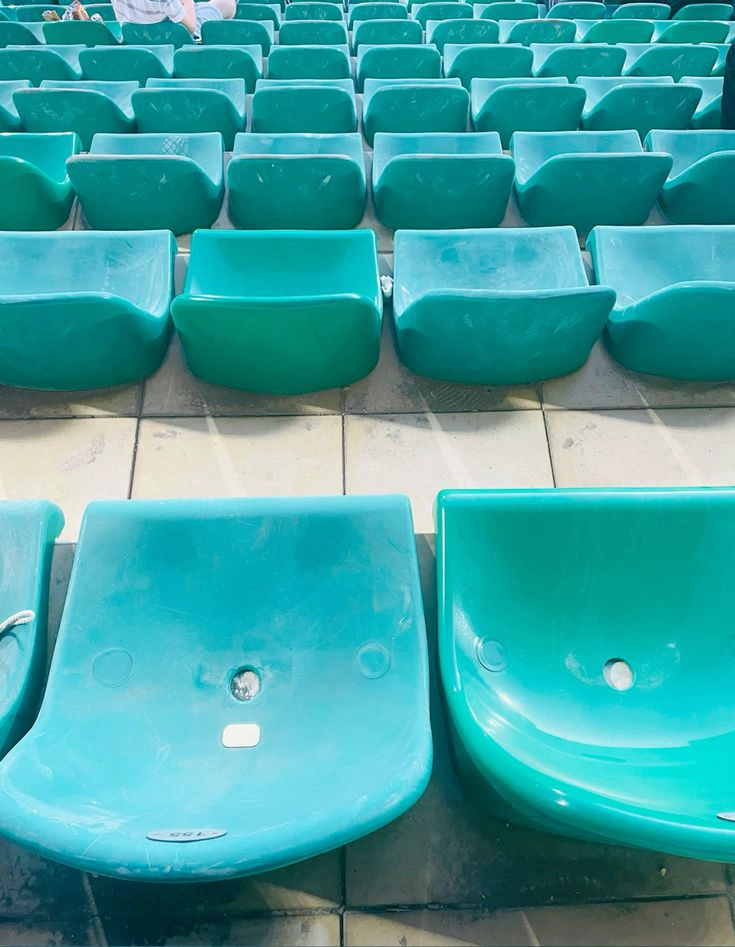
Before the pandemic, antimicrobial materials were a niche feature, something you'd only find in hospitals or medical facilities. But now, they're becoming standard in stadiums, as venues look for ways to make fans feel safe, and reduce the spread of germs. Antimicrobial seats have special additives in the plastic and fabric that kill bacteria, viruses, and mold, on contact. That means that even if hundreds of fans touch the seat over the course of a game, the germs can't survive on the surface, which reduces the risk of spreading illness.
These materials also have other benefits. They resist stains and odors, so the seats stay cleaner and fresher, even after years of heavy use. They're easy to clean, so venue staff can wipe them down quickly between events, without having to use harsh chemicals. And they don't degrade over time, so the antimicrobial effect lasts for the entire life of the seat, not just the first few years.
The demand for these seats exploded after the pandemic, when fans were worried about going back to public events, and sitting in seats that hundreds of other people had sat in. Venues realized that they needed to do something to make fans feel safe, and antimicrobial seats were the perfect solution. Just a few years ago, only 6% of cushion orders had antimicrobial fabrics, but now, that number is up to 28%, and it's growing every year. In fact, 85% of municipal tenders for new venues now require antimicrobial seats, as cities and teams prioritize health and safety for their residents.
It's not just the seats, either. Manufacturers are adding antimicrobial features to all parts of the seating, from the armrests to the cup holders, to the buttons on the smart seats, so every surface that fans touch is protected. That means fans can touch the seat, the cup holder, the charging port, and not have to worry about germs. And it's not just for big events, either. Smaller venues, college stadiums, and community centers are also adopting these seats, because they want to keep their fans safe, too.
A single antimicrobial Stadium chair can reduce the spread of germs by more than 99%, according to lab tests. That means that during cold and flu season, fans are less likely to get sick after going to a game, which is a huge benefit for everyone. And it gives fans peace of mind, knowing that the venue is taking steps to keep them safe. That's especially important for families with young kids, or older fans, who are more vulnerable to illness.
Venues that have adopted these seats are already seeing the benefits. Fan confidence is way up, with 82% of fans saying they feel safer at venues with antimicrobial seats. Attendance is up, too, because fans who were worried about getting sick are now comfortable coming back to events. And the seats last longer, because they resist stains and odors, so venues don't have to replace them as often, which saves them money in the long run.
The best part is that these seats don't sacrifice any of the comfort or features that fans love. They're just as comfortable, just as durable, and just as stylish as traditional seats, but with the added benefit of being antimicrobial. Fans don't even notice the difference, except that they feel safer, and the seats stay cleaner longer.
As we move forward, antimicrobial Stadium chair will become just as standard as cup holders are today. It's no longer a luxury, or a pandemic fad—it's a basic expectation, that fans have of the venues they visit. And that's a good thing, because it means that public events are safer, cleaner, and more accessible for everyone, now and in the future.