







Auditorium Chairs Break Boundaries: From Meeting Halls to Art Exhibitions and Urban Public Spaces
When you walk into a contemporary art exhibition and find rows of uniquely designed auditorium chairs instead of sculptures in the center of the exhibition area – this isn't an illusion, but a "furniture art" revolution unfolding in the design world.
In recent years, auditorium chairs are no longer confined to traditional settings like auditoriums and theaters, but are frequently "crossing boundaries," appearing in art exhibitions, city parks, cultural and creative parks, and even pop-up events, becoming a public art medium that connects function and aesthetics.
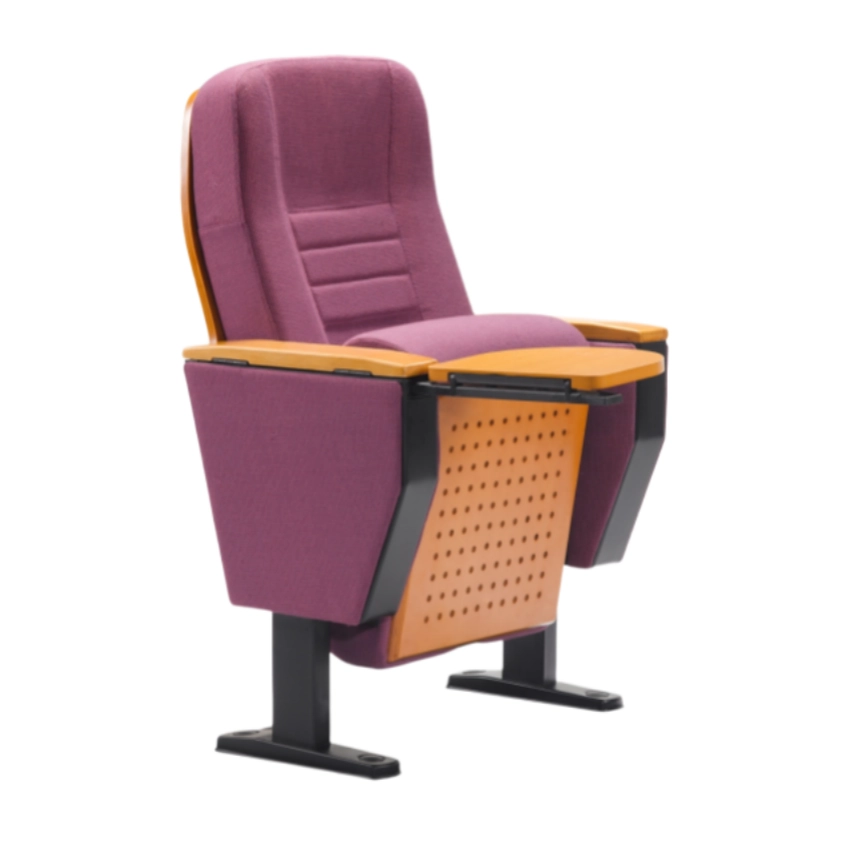
A group of pioneering designers are using auditorium chairs as a creative medium, giving them a new language of expression. Some works use discarded auditorium chairs as raw materials, presenting the theme of "memory and forgetting" through deconstruction and reconstruction; others use fluorescent materials to create luminous auditorium chairs, forming a unique landscape in the city's nightscape. An art exhibition curator stated, "Auditorium chairs carry collective memories and are excellent narrative tools."
In urban renewal projects, auditorium chairs are also given a new mission. In the renovation of an old urban area, designers painted vintage auditorium chairs in rainbow colors and placed them in a small park at a street corner, becoming a popular spot for residents to rest and take photos. An elderly man smiled and said, "Sitting on them feels like going back to the grand hall of my youth; it's especially heartwarming."
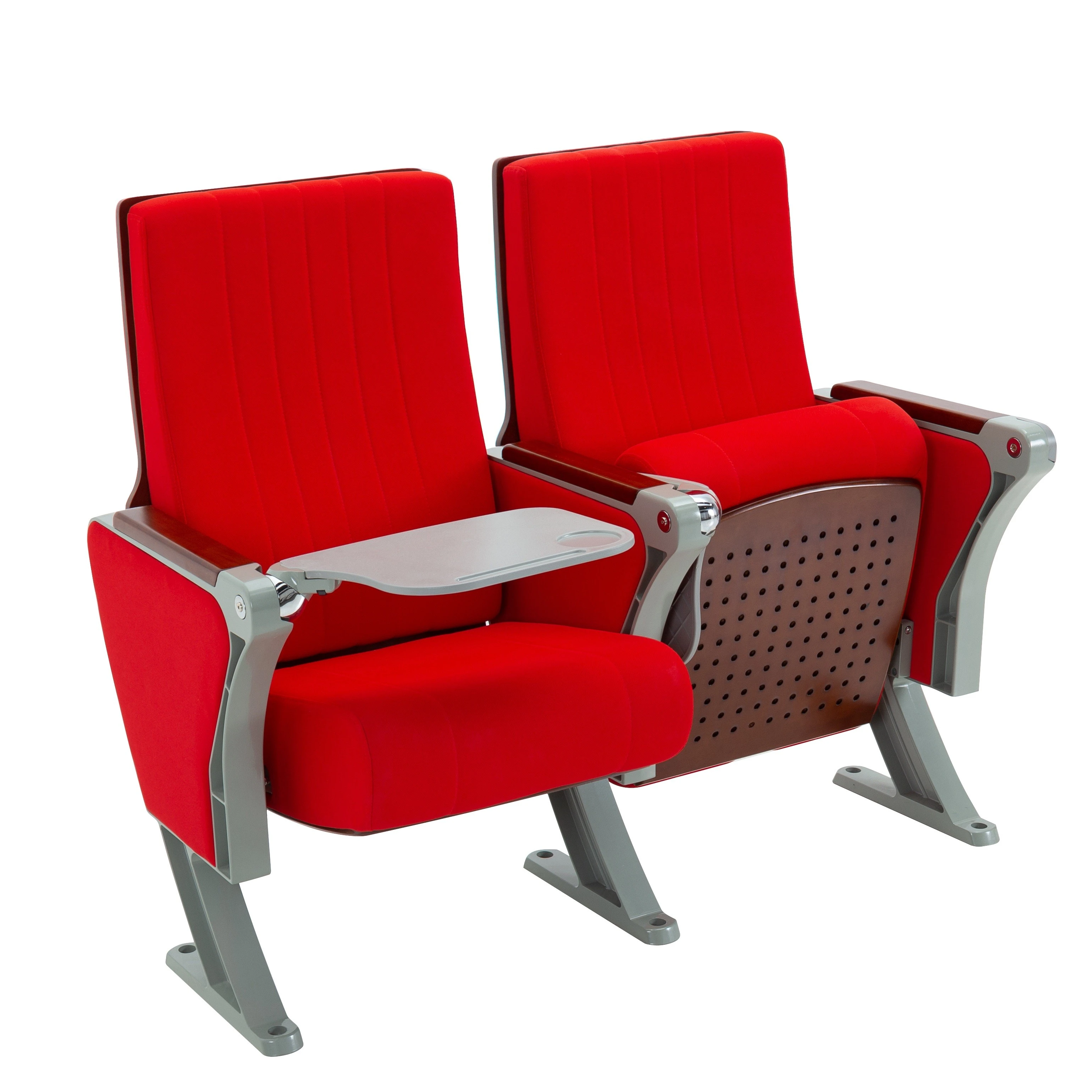
Some brands have even launched the concept of "mobile auditorium chairs," which are lightweight, foldable, and brightly colored, suitable for outdoor music festivals, markets, community events, and other scenarios. These auditorium chairs are not only practical but also become a symbol of urban vitality.
Industry observers point out that the "boundary-breaking" of auditorium chairs reflects the public's dual expectations for both the aesthetics and functionality of public furniture. In the future, auditorium chairs may be deeply integrated with urban planning and public art, becoming "talking city furniture."
When an auditorium chair no longer exists solely for the purpose of "sitting," it possesses a vitality that transcends its function.