





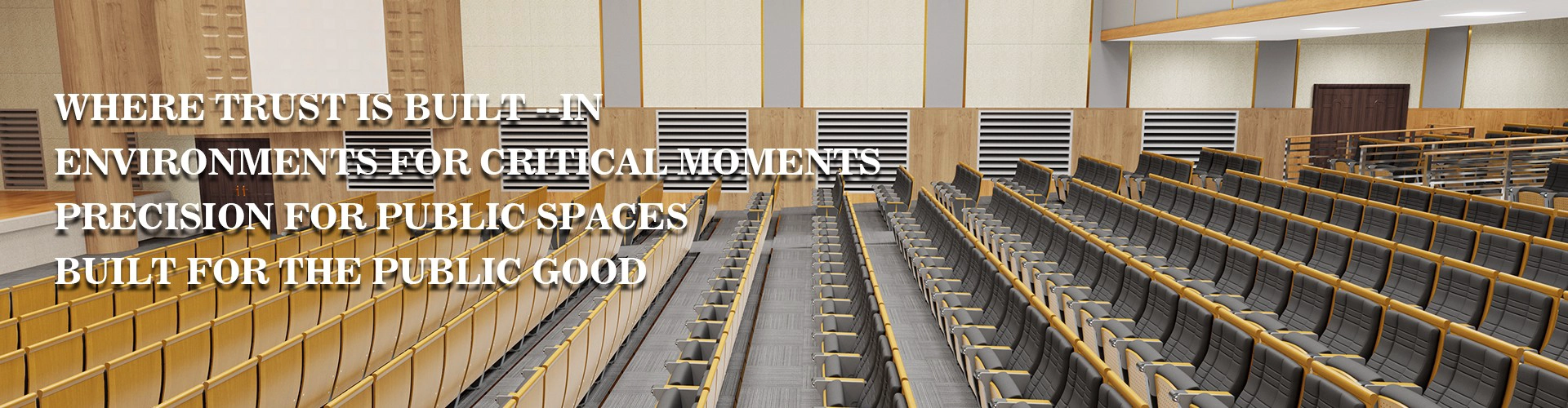
Circular Economy: Turning Old Fishing Nets into New Training Chairs
An estimated 640,000 tons of ghost gear are abandoned in the oceans each year. That deadly waste is now being mined as a resource, transformed into the clean, polished polymer shells of the next generation of training chairs.
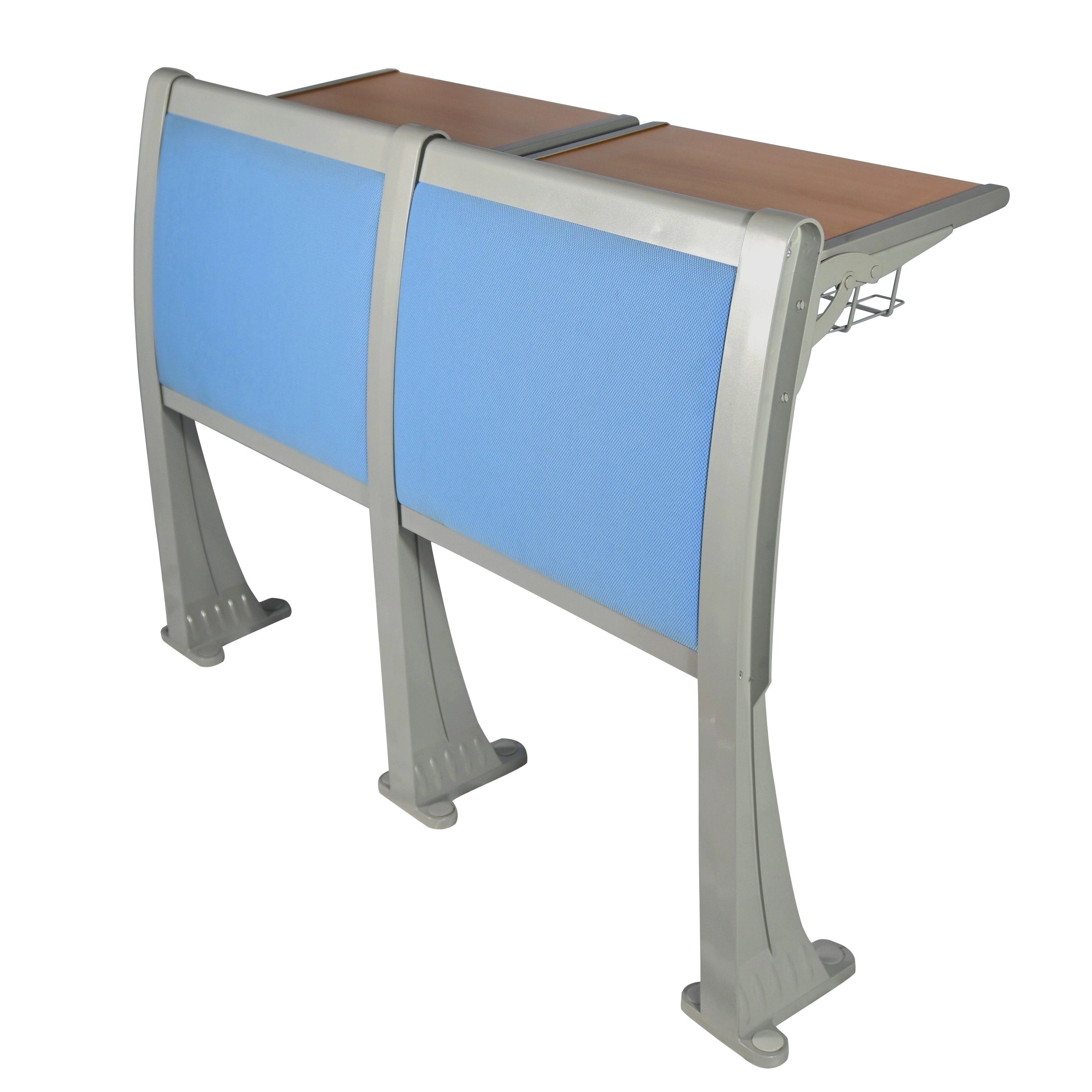
The commercial furniture industry has long grappled with the environmental paradox of plastic seating: it is durable and cheap, but its raw material is virgin fossil fuel. The market has now reached a tipping point where post-consumer ocean plastics have achieved performance parity with virgin polymers. A leading global manufacturer has launched a training chair whose entire polypropylene shell and arm caps are sourced from a supply chain that starts with fishermen collecting discarded nylon nets off the coast of Chile and the Philippines. The nets are washed, pelletized, and chemically re-polymerized into a high-impact copolymer that matches the exact flexural modulus required for a structural chair back. The result is a robust training chair that tells a powerful environmental story.
Selling this ocean-bound training chair to corporate clients requires more than good intentions; it requires bulletproof traceability. The manufacturer embeds a unique chemical tracer in every batch, allowing a third-party auditor to verify via a handheld scanner that the plastic under a delegate’s hands did indeed start as a fishing net. This blockchain-like chain of custody appeals to procurement departments wary of greenwashing. The material isn’t just recycled; it’s a premium aesthetic. The process generates a flecked, matte surface texture reminiscent of terrazzo, turning the training chair into a design statement piece. For tech companies and universities building high-profile innovation centers, this aesthetic of eco-industrial chic communicates corporate values directly through the furnishing choices.
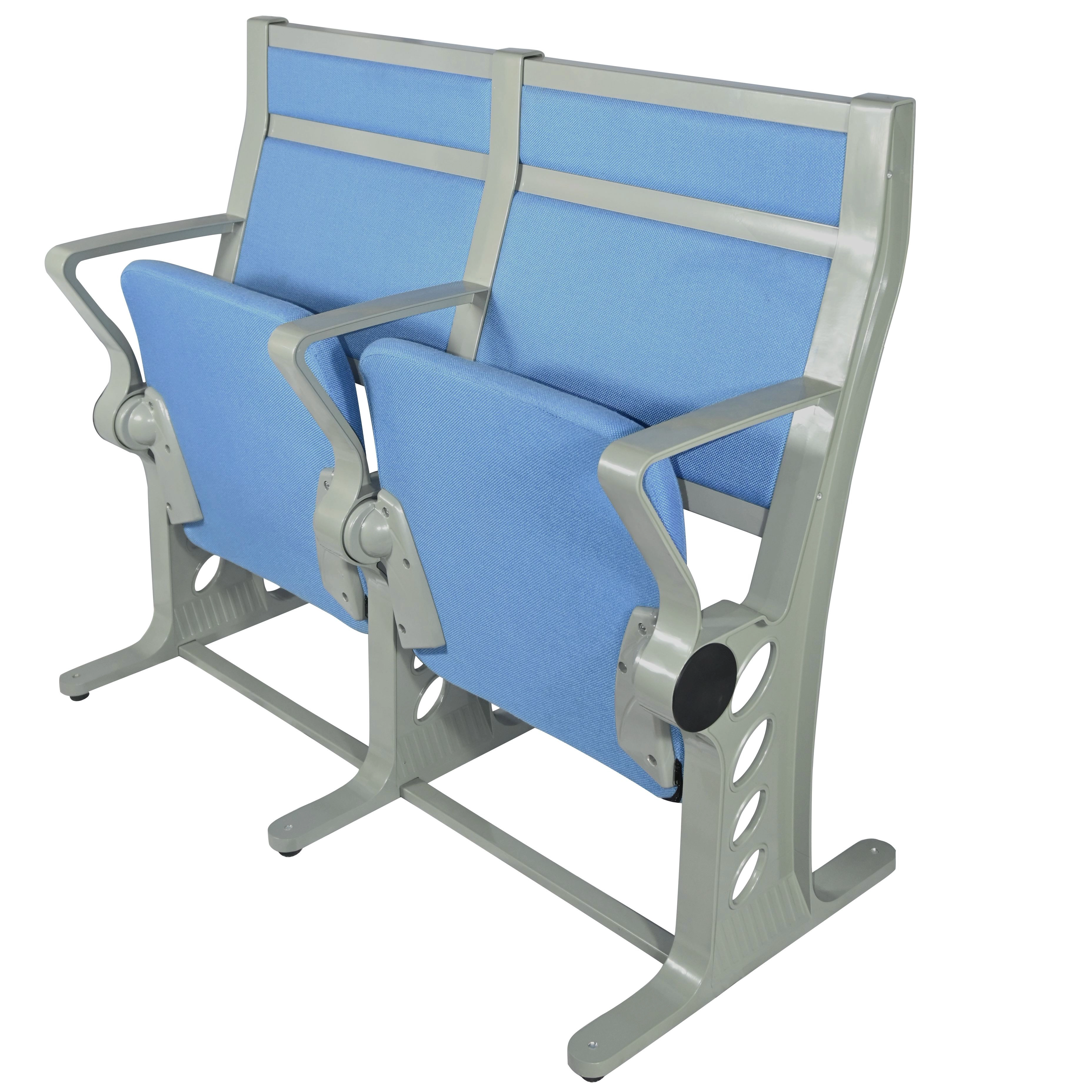
Durability is the decider. Early recycled plastics often became brittle under UV light, a major liability for a training chair sitting near a window. The new formulation includes advanced stabilizers that ensure the shell resists discoloration and embrittlement for a fifteen-year lifespan, matching traditional plastic guarantees. Furthermore, the chair’s design follows a strict mono-material principle. The shell and the frame are mechanically joined without glue, meaning that when the training chair finally reaches its end of life, it can be ground down and recycled again, making it a perpetually circular product. The program closes the loop between ocean conservation and corporate learning; a training room furnished with these chairs literally removes plastic from the marine ecosystem, offering an immediate and tangible sustainability outcome that both employees and students can physically connect with.