






Ergonomics Reshapes the Standards for Training Chairs
In today's knowledge-intensive workplace, training courses lasting several hours are commonplace. However, at the end of these courses, trainees often leave with the "byproduct" of back pain, in addition to new knowledge. Behind this lies the collective silence of traditional training chairs in ergonomic design. Now, with the awakening of health awareness, a revolution in "sitting" is quietly emerging in the training industry, aiming to upgrade training chairs from "barely usable seating" to "health guardians."
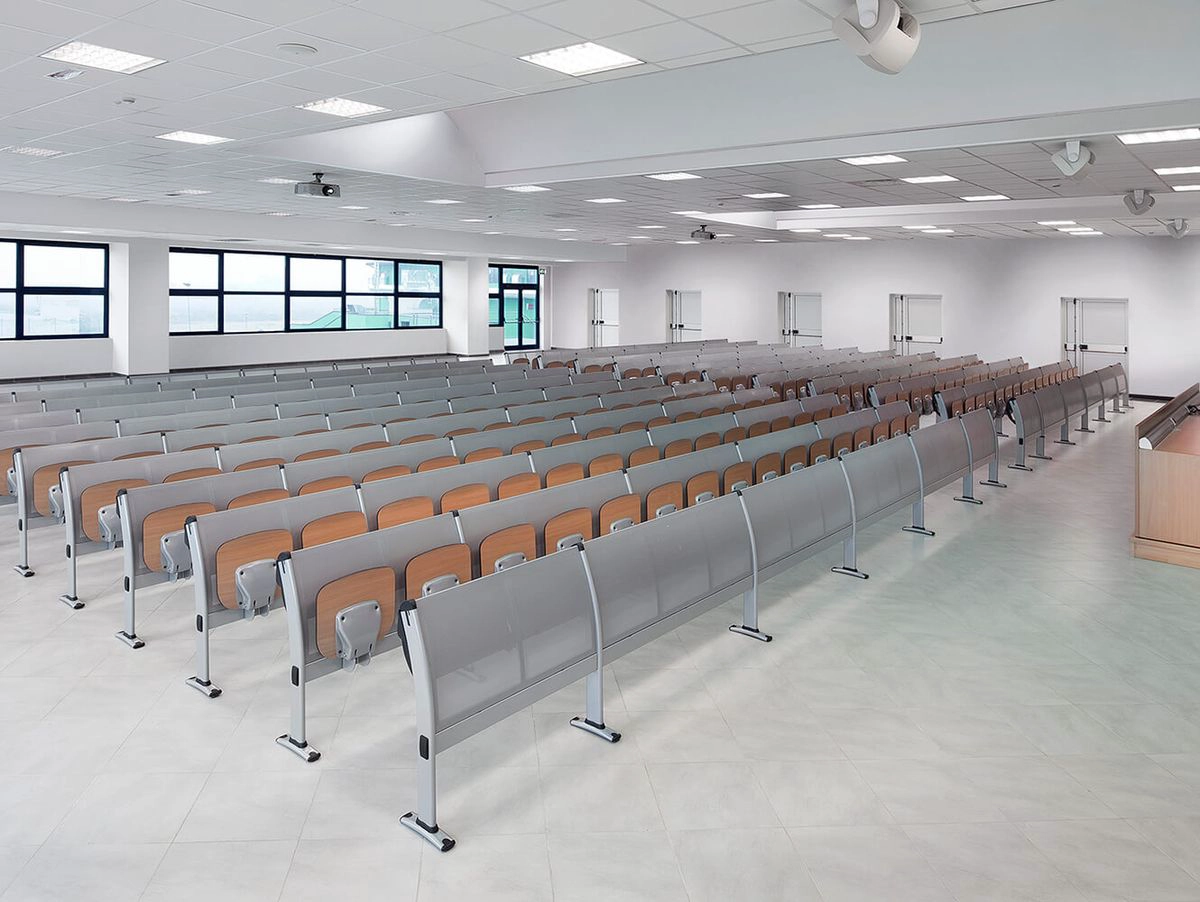
For a long time, the design logic of training chairs seems to have been hijacked by "durability" and "low cost." They are often square in shape, made of rigid materials, and lack scientific support for the spine and ischial tuberosities. During training sessions lasting several hours, this design forces trainees to frequently adjust their posture to find a comfortable point, causing their attention to be constantly interrupted by physical discomfort, significantly reducing learning efficiency. This kind of "convenience" at the expense of trainees' health is increasingly difficult for the market to accept.
The core of the new concept of training chairs lies in a deep replication of the "human" experience. The design team no longer works in isolation, but collaborates with ergonomics experts. Through the collection and analysis of massive amounts of Asian anthropometric data, they precisely identified the support needs of key areas such as the lumbar spine and scapula. The new generation of products generally adopts a dynamic mesh system. This highly elastic mesh automatically adjusts support based on the user's weight and posture, effectively distributing pressure and preventing prolonged localized pressure. Simultaneously, the seat cushion depth and angle have been precisely calculated to reduce leg pressure, promote blood circulation, and allow learners to immerse themselves in knowledge in the most comfortable state.
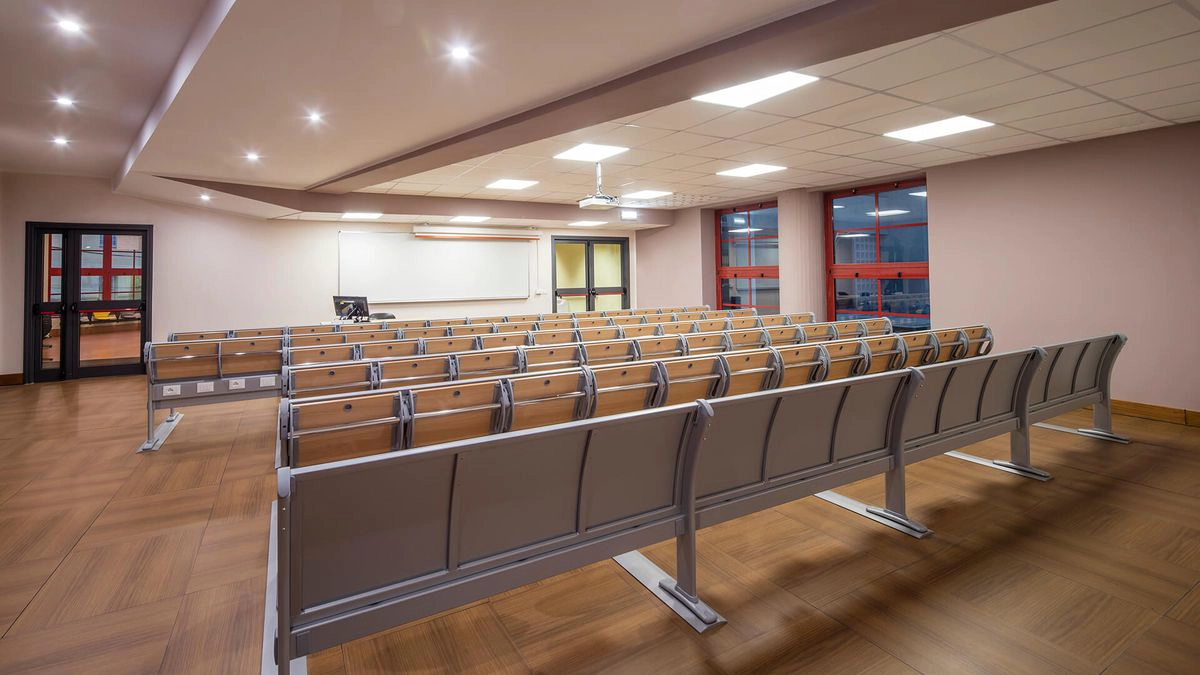
Furthermore, modern training chairs are incorporating the concept of "dynamic posture." Traditional fixed backrests are gradually being replaced by adjustable lumbar supports, allowing learners to freely adjust the back support angle within a certain range, simulating natural spinal movement. This shift from "static constraint" to "dynamic adaptation" represents the highest respect for the body's natural needs. An excellent training chair should be the strongest support for learners exploring the unknown, not a burden hindering their progress.