






Fidget to Focus: The School Desk and Chair That Has a Built-In Pedal Board
Sitting still is a neurological impossibility for many children, and the command to "stop fidgeting" actually diverts cognitive resources away from learning. The latest inclusive school desk and chair features a silent, adjustable-resistance foot pedal and a rocking seat base that channels movement into concentration.
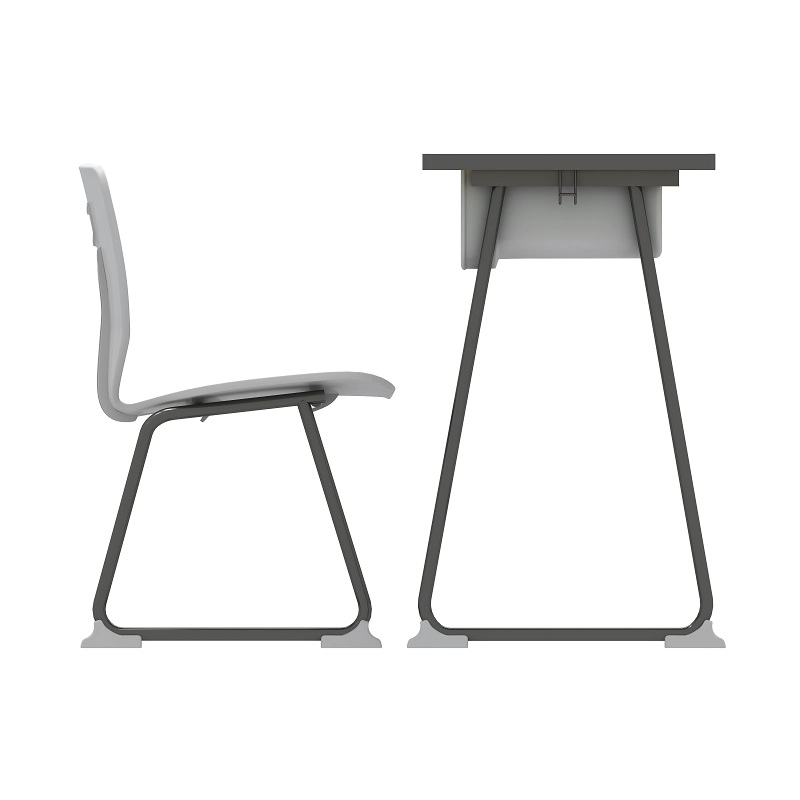
Occupational therapists have long advocated for dynamic seating — chairs that wobble, balance balls, pedal desks — for students with ADHD and sensory processing disorders. But these interventions have often stigmatized the user by making them visibly different, and cheap balance balls roll away and pop. The "Kinetic Classroom" line integrates movement seamlessly into a standard-looking school desk and chair. A whisper-quiet, magnetic resistance pedal mechanism is built into the chair’s front legs, allowing a student to cycle their feet without any clicking or chain noise. The resistance level can be adjusted with a small dial, from a free spin for restless energy to a heavier setting for deep-proprioceptive calming. The chair’s base also features a subtle, damped rocker curve, permitting about 8 degrees of lateral tilt, enough to provide the vestibular stimulation that keeps the brain alert without the dangerous tipping of a standard four-leg lean.
The genius of this school desk and chair is its social invisibility. From the front, a student using the pedal looks identical to a student in a standard chair. The pedal board is tucked under the desk, and the rocking motion is so slight that it doesn't disturb neighboring desks. Any student can use it, and there is no "special" version for the kids with IEPs. This universal design approach aligns with the social model of disability: adapt the environment, not the child. In pilot classrooms, teachers reported that the availability of the pedal school desk and chair reduced overall classroom movement — the wandering, the bathroom trips, the sharpening of pencils — because the students' physical need to move was being met at their own seat. The desk itself is designed with a slight lip to prevent items from rolling off during the rocking motion.
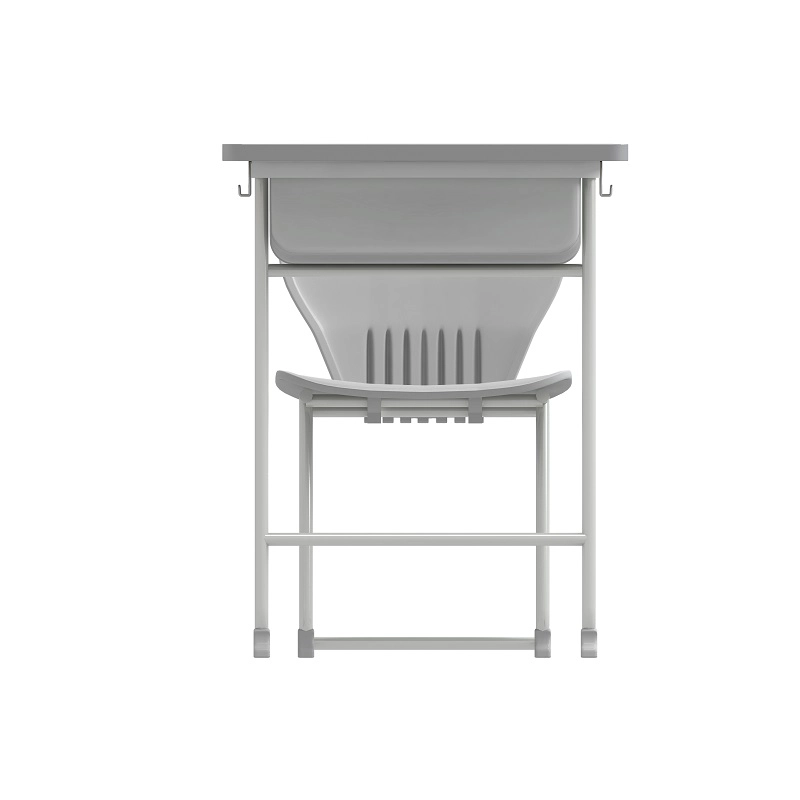
The health implications go beyond behavior management. Childhood obesity and metabolic syndrome are crises of sedentary behavior. A school desk and chair that allows for continuous, low-level physical activity during seated work contributes to the total daily energy expenditure. Studies are underway to quantify the caloric burn of a typical school day in a Kinetic chair, but preliminary data suggests it is equivalent to a standing desk without the fatigue of standing for six hours. The system is robustly built to survive the intense mechanical wear of constant pedaling; the bearings are sealed cartridge units rated for a million cycles. The Kinetic school desk and chair represents a truce in the war against fidgeting: it concedes that children are not designed to be statues, and harnesses their natural motion in service of their education rather than as a disruption to it.