





First Month After National Standard Implementation: A "Lying-Down Revolution" Spreads in Schools, Students Say Goodbye to "Sleeping on Desks"
In February 2026, with the official implementation of the "General Technical Requirements for Desks and Chairs for Primary and Secondary School Students' Lunch Break" (GB/T 46016—2025), a quiet "lying-down revolution" swept across schools nationwide. In pilot schools in Chengdu, Shanghai, and other cities, students were pleasantly surprised to find that the back-ache-inducing "sleeping on desks" was a thing of the past, replaced by comfortable, ergonomically designed reclining positions.
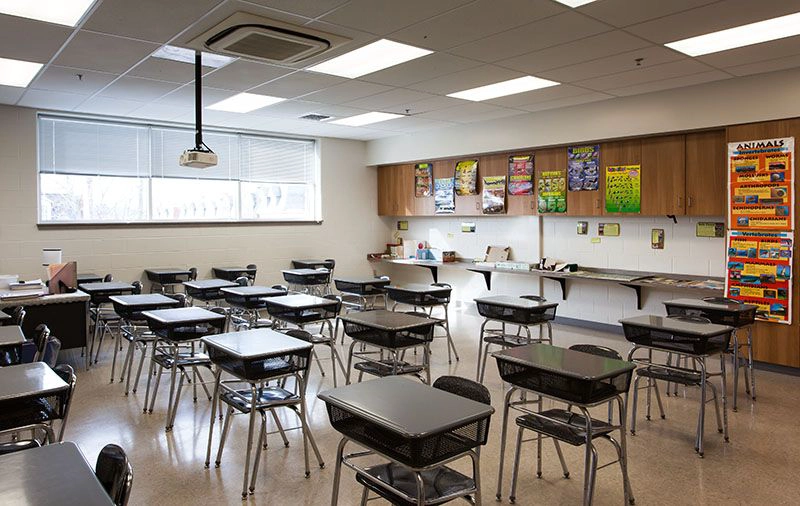
At Shangdong School in Chengdu, as soon as the lunch break bell rang, children skillfully operated the new desks and chairs. Grasping the armrests and pulling a lever, the chair back slowly tilted to over 150 degrees, and pulling out the hidden footrests, rows of "nap beds" were neatly laid out in the classroom. This highly praised equipment is a prime example of the best practice of the new national standard. It not only meets the mandatory requirement that the chair's overall length after unfolding be no less than 1050mm, but also allows students to truly stretch out their bodies through adjustable headrests and ample legroom.
Behind this transformation lies the nation's high regard for students' right to healthy sleep. The new national standard systematically regulates the shape, dimensions, material safety, and structural stability of school desks and chairs, filling a gap in my country's standards in this field. When children can enjoy deep sleep during their lunch break, their concentration in afternoon classes naturally improves significantly. This shift from "lying down" to "spreading out" is not merely an upgrade in hardware, but a profound leap in educational philosophy from "convenience for management" to "student-centeredness."