







Global Stadium Chair Market to Hit $2.946 Billion by 2032, Experience Economy Leads the Growth Momentum
The report emphasizes that the upgrade cycle of professional sports venues worldwide has shortened significantly, from 50 years in the past to 30 years at present, driving the continuous demand for high-quality stadium chair replacements and upgrades. In North America, for example, the cost of replacing stadium chair in a single NFL (National Football League) venue can range from $15 million to $25 million, with high-end suite seats featuring premium materials and integrated functions such as wireless charging ports, private storage compartments, and adjustable backrests, with a unit price exceeding $2,000. Even ordinary spectator seats have undergone substantial upgrades: the standard width has expanded from 18 inches a decade ago to 22 inches, and basic comfort features such as ergonomic armrests, cup holders, and lumbar support have become standard configurations, all designed to extend fans’ on-site stay time and stimulate their consumption willingness.
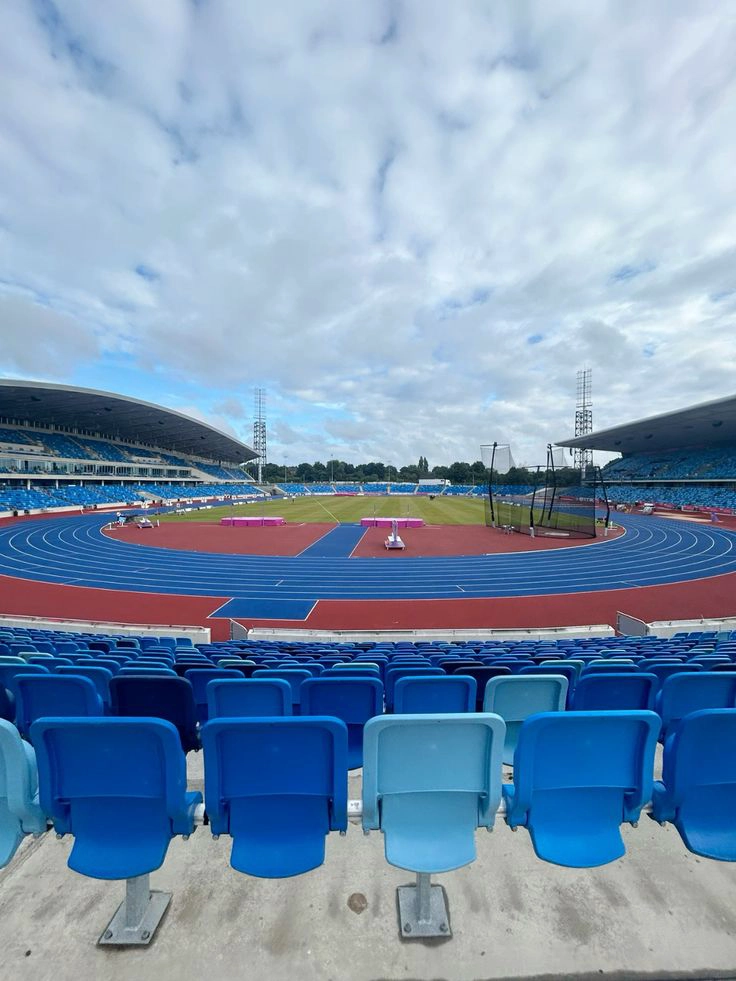
Regionally, North America remains the largest market for stadium chair, accounting for more than 40% of the global market share, driven by the high investment in professional sports leagues such as the NFL, NBA, and MLB. Affected by regional tariff policies and the trend of supply chain localization, major manufacturers in North America, such as Irwin Seating Company and Hussey Seating Company, are accelerating local production to reduce transportation costs and improve delivery efficiency. In Europe, the market is dominated by high-end and customized stadium chair products, with a focus on environmental protection and durability. European manufacturers such as Schüco International KG and Nussli Group are committed to developing seats made of recyclable materials, in line with the EU’s strict environmental protection standards. Meanwhile, in emerging markets such as Latin America and the Middle East, the rapid construction of new sports venues for international events (such as the 2026 FIFA World Cup and the 2030 Asian Games) has created a huge demand for cost-effective stadium chair, attracting European and North American manufacturers to expand their market presence.
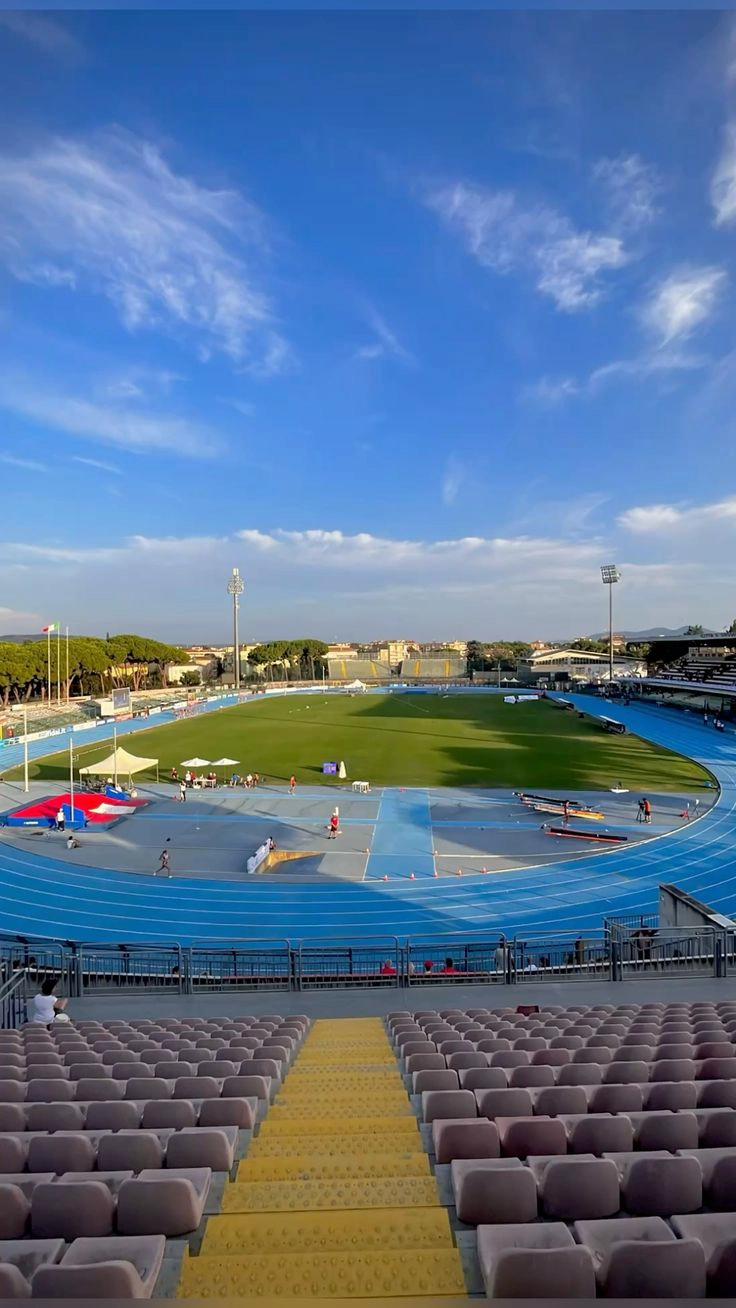
Industry experts point out that the experience economy is the core driver of the stadium chair market’s growth. Today’s sports fans are no longer satisfied with just watching games; they pursue a more comfortable, convenient, and immersive viewing experience. As a result, venue operators are increasingly willing to invest in high-quality stadium chair to enhance fan satisfaction and loyalty. In addition, the integration of smart technologies into stadium chair, such as IoT sensors and connectivity features, is further promoting market growth, as these intelligent seats not only improve spectator convenience but also help venue managers optimize operational efficiency, such as adjusting air conditioning and staffing based on real-time seat occupancy data. Looking ahead, the global stadium chair market will continue to grow steadily, with smart, environmentally friendly, and customized products becoming the main development trends.