





Green Pulse: The Awakening of Eco-Friendly Materials and Sustainable Concepts in the Waiting Chair Industry
In the past, to pursue durability and low cost, the waiting chair industry heavily relied on non-renewable resources such as virgin timber, metal ores, and paints containing volatile organic compounds (VOCs). While these materials created sturdy products, the environmental cost was enormous. With the awakening of global environmental awareness and the advancement of the "dual carbon" strategy, the industry is beginning to realize that true "sturdiness" lies not only in the product itself, but also in the long-term vitality of the industrial ecosystem.
The first step in this green transformation is the **"rebirth" of raw materials**. More and more companies are exploring the use of environmentally friendly alternative materials. One trend is the use of **recycled materials**, such as processing recycled plastic bottles into high-strength fibers for weaving chair surfaces; or transforming construction waste and industrial slag into recycled concrete or tiles for making outdoor seating. These "waste-to-treasure" innovations not only reduce the exploitation of virgin resources and lower carbon emissions, but also give the products a unique texture and story.
Another trend is the popularization of **low-environmental-impact materials**. Water-based coatings and powder coating technologies are gradually replacing traditional oil-based paints. Water-based coatings use water as a diluent and contain almost no harmful volatile organic compounds, making them more friendly to both people and the environment. Powder coating is a surface treatment technology with almost zero emissions, boasting extremely high utilization rates and producing no wastewater or exhaust gas. In addition, natural renewable materials such as bamboo and rattan are also shining in casual-style waiting chairs due to their short growth cycle and biodegradability.
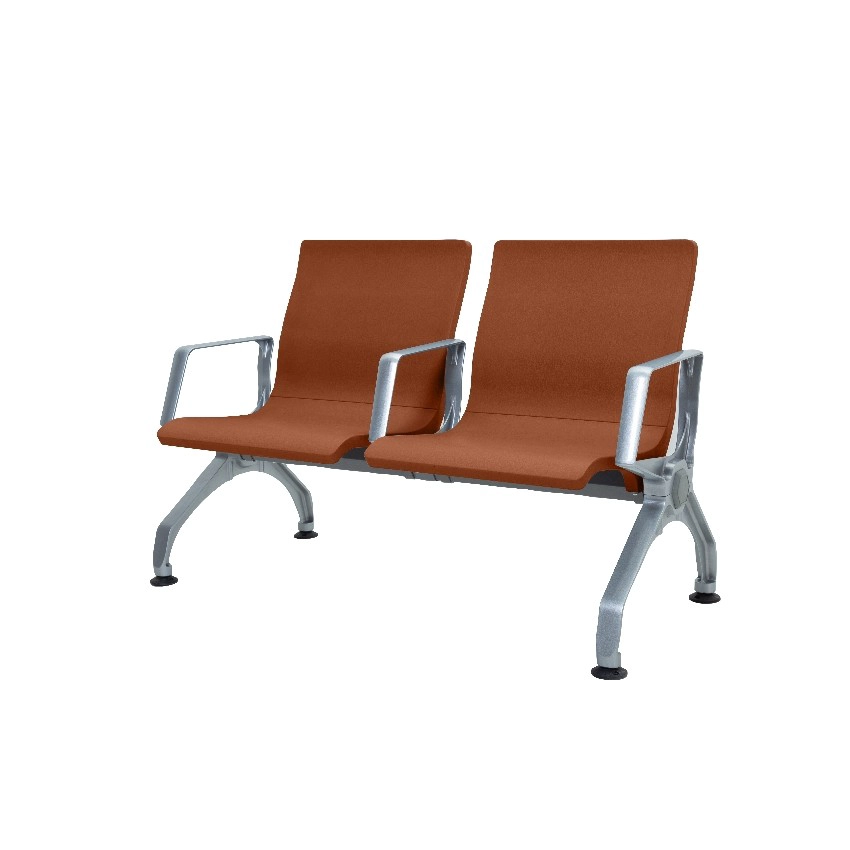
The second step in the green transformation is **"subtraction" in production and design**. Companies are beginning to introduce sophisticated inventory management systems, reducing raw material waste through accurate demand forecasting. In design, there is a greater focus on product **disassembly** and **repairability**. For example, modular design is being adopted, so that when a component breaks, only that module needs to be replaced, rather than discarding the entire chair. This not only reduces maintenance costs for customers but also significantly extends the product's lifespan, reducing the amount of waste ultimately sent to landfills.
This commitment to environmental protection is becoming a new source of competitive advantage for businesses. For buyers, having environmentally certified products is not only a compliance requirement but also a reflection of their own sense of social responsibility. For end-users, sitting on a chair made from environmentally friendly materials provides a sense of satisfaction and psychological comfort from "participating in environmental protection."
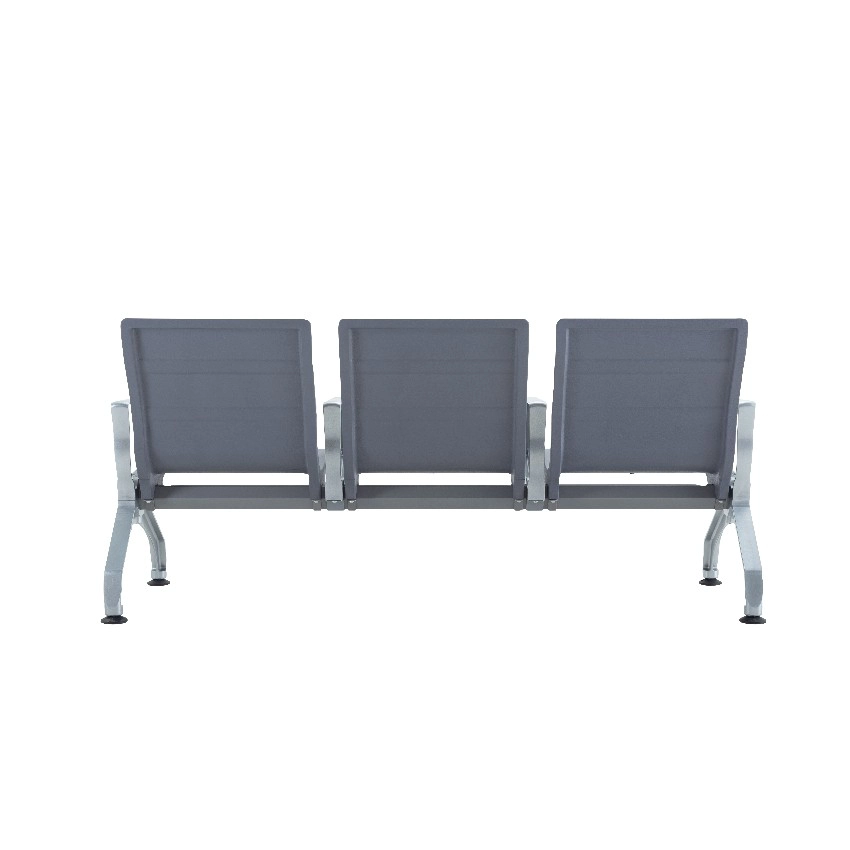
In short, the "green awakening" in the waiting chair industry is a self-renewal process from the inside out. It allows these silent public facilities to have their own "green pulse." Future waiting chairs will not only serve the public functionally but also give back to society ecologically, supporting our every pause in the most environmentally friendly way.