





Japanese "Storage Aesthetics": Space Folding Techniques in Small Classrooms
In Tokyo's densely populated urban campuses, wall-mounted folding tables and chairs are solving space constraints. This design, originating from Japanese "storage aesthetics," allows classrooms to switch seamlessly between "teaching mode" and "activity mode."
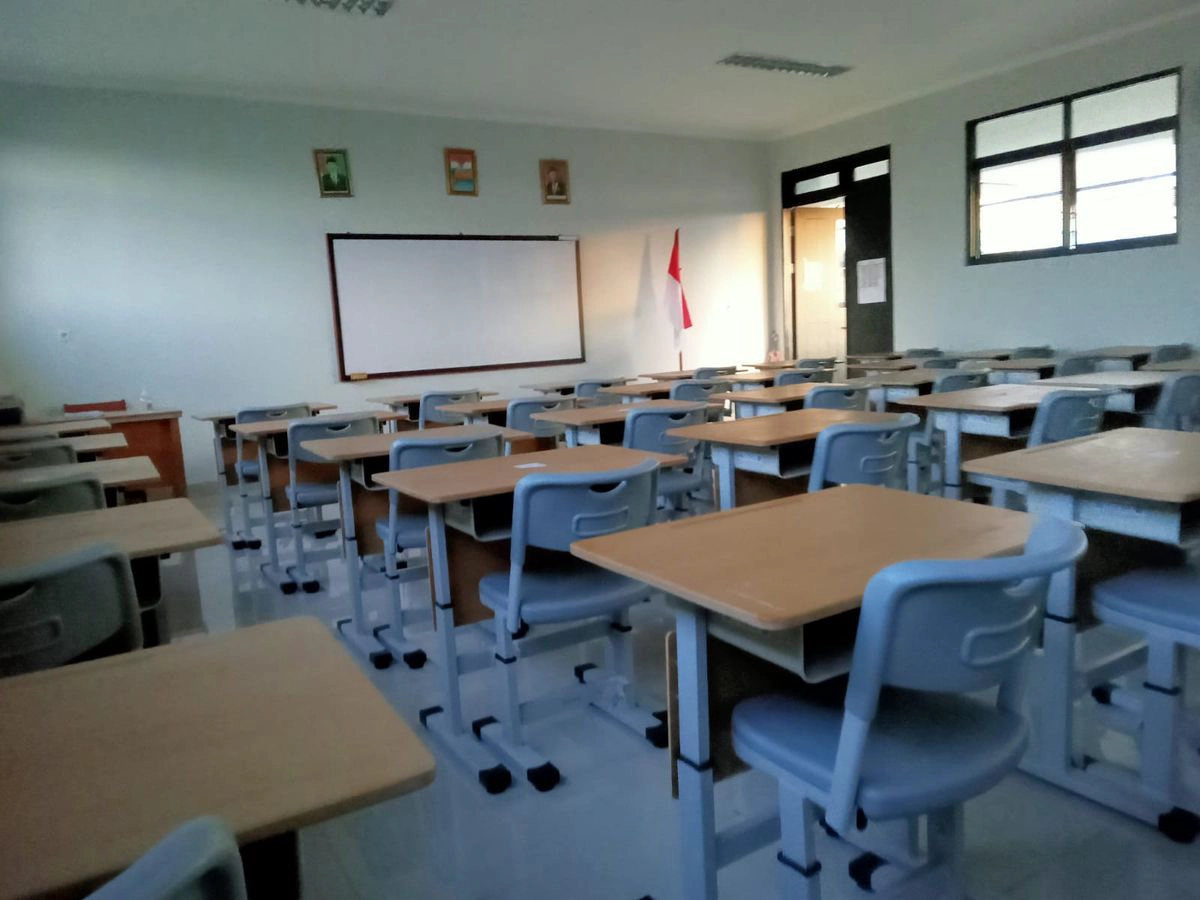
During lunch break, folding tables descend from the wall, along with chairs that can be stored within the wall, instantly creating a neat lunch break area. During physical education classes, all tables and chairs are stored in wall cabinets, transforming the classroom into a gymnasium. The core of this design lies in its precision hardware—using aerospace-grade aluminum alloy hinges to ensure no deformation after thousands of openings and closings. For schools in China with large class sizes and limited space, this approach of "creating space from the walls" is highly valuable.
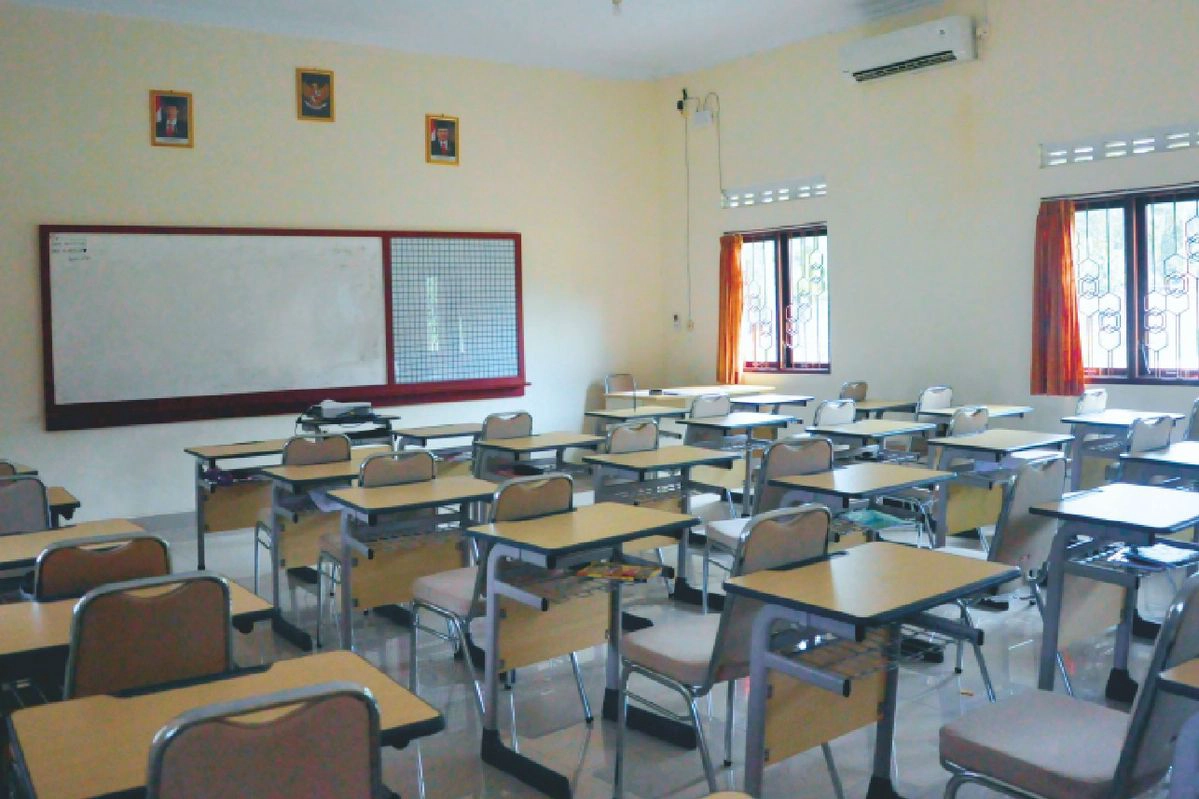
These highly integrated school desks and chairs are not merely furniture, but an extension of the architectural space. They teach students to create infinite possibilities with limited resources, embodying the Japanese educational philosophy of "making the most of everything." When school desks and chairs become the link between architecture and people, space is no longer a limitation of education, but a stage for innovation.