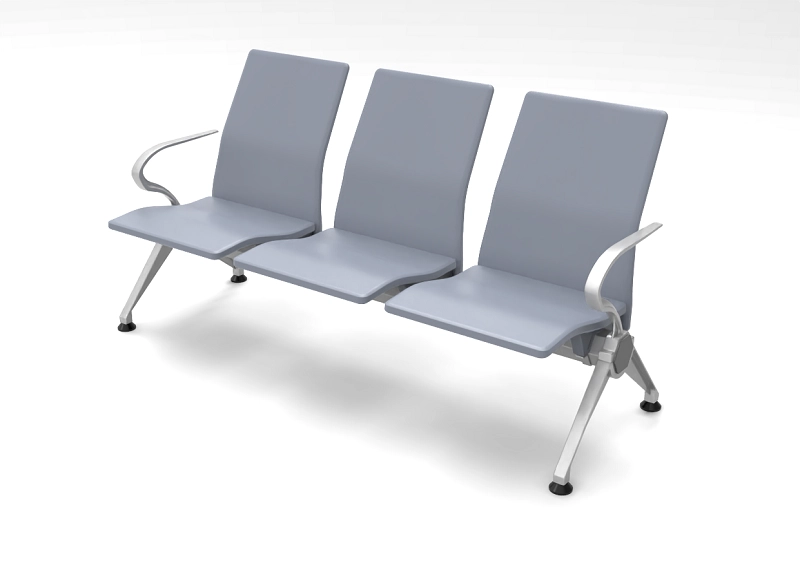





Leno Airport Seating: Industry Trends, Innovations & Market Outlook 2025
Leno Airport Chairs: Navigating Industry Trends and Future Market Directions
Airport seating has evolved from basic functional furniture to a critical component of the passenger experience, blending comfort, durability, and operational efficiency. Leno, a key player in the commercial seating industry, is at the forefront of this transformation, adapting to shifting market demands and technological innovations. This article analyzes the industry's development directions and how Leno's airport chairs are positioned to meet future needs.
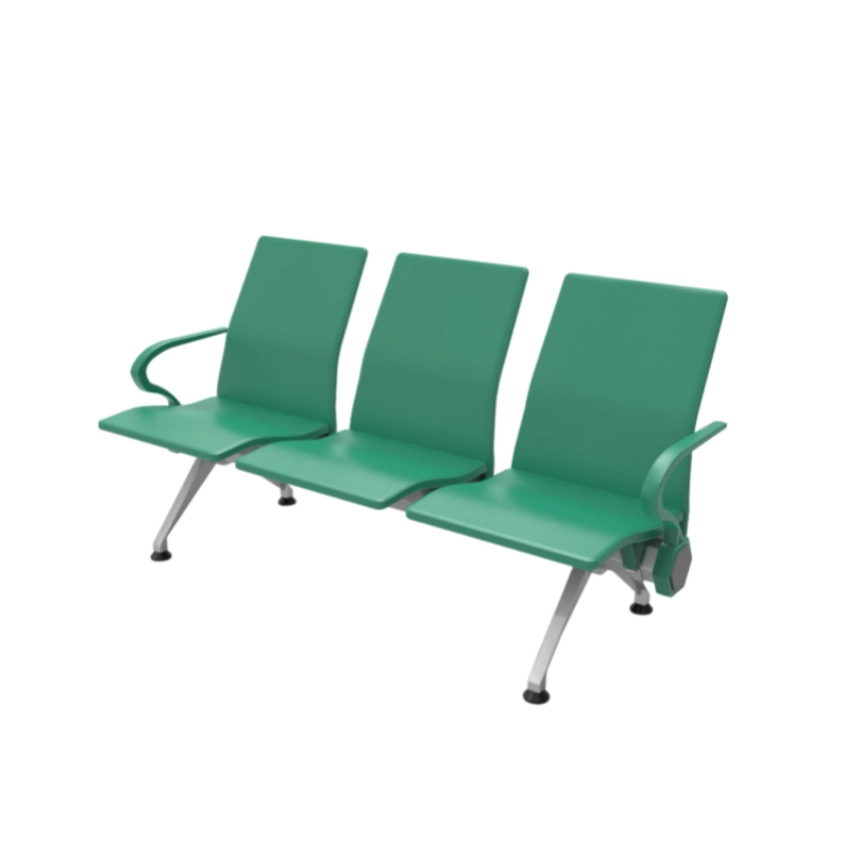
1. Smart Technology Integration: Enhancing Passenger Experience
Smart features are redefining airport seating, and Leno is integrating them to create value for both passengers and airport operators:
- Embedded Charging Solutions: With travelers relying heavily on devices, Leno's chairs now include USB-C and wireless charging ports, eliminating the need for crowded charging stations.
- IoT-Enabled Monitoring: Sensors in Leno's seating can track usage patterns, maintenance needs (e.g., worn cushions), and even passenger density—data that helps airports optimize space and service schedules.
- Interactive Elements: Some Leno models feature built-in tablets for flight updates, wayfinding, or retail services, turning idle waiting time into productive or engaging moments.
Market Impact: Airports adopting smart seating report higher passenger satisfaction scores, making this a key differentiator for Leno in competitive bids.
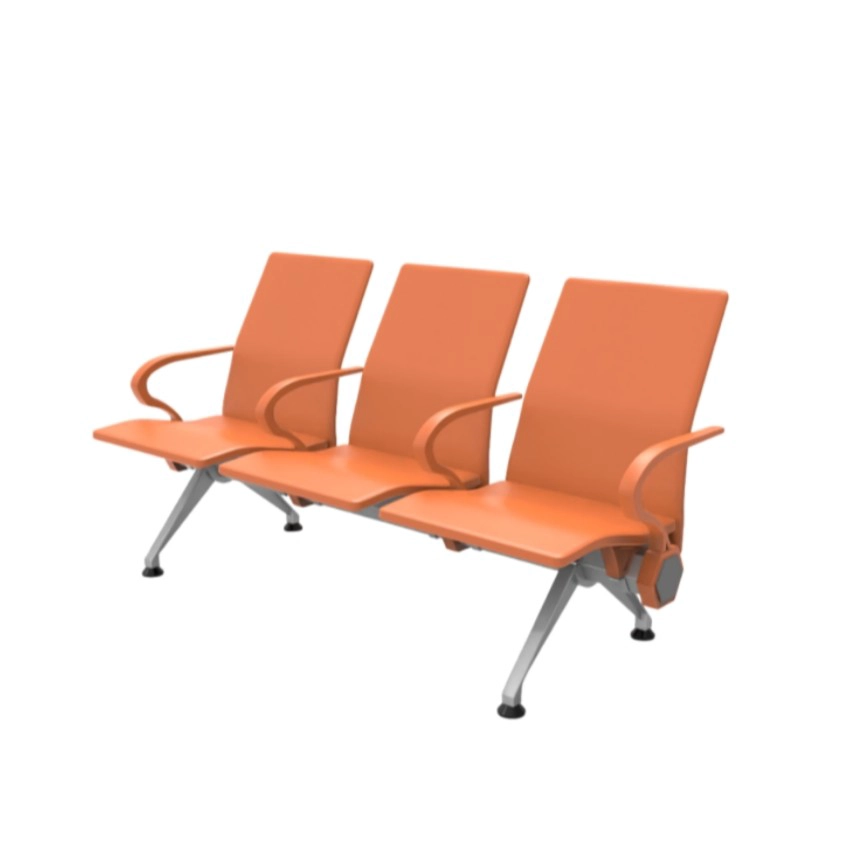
2. Sustainability: A Non-Negotiable Priority
Environmental responsibility is no longer optional in airport infrastructure, and Leno is responding with eco-conscious designs:
- Materials: Leno uses recycled aluminum for frames and ocean-bound plastic for upholstery, reducing carbon footprint without compromising durability.
- Modular Design: Chairs are built with replaceable parts (e.g., cushions, armrests), extending product life and minimizing waste—aligning with airports' circular economy goals.
- Low-Impact Manufacturing: Leno's production facilities prioritize energy efficiency and water conservation, appealing to airports with strict sustainability certifications (e.g., LEED).
Industry Trend: Airports are increasingly including sustainability criteria in seating tenders, making eco-friendly designs like Leno's a market requirement.
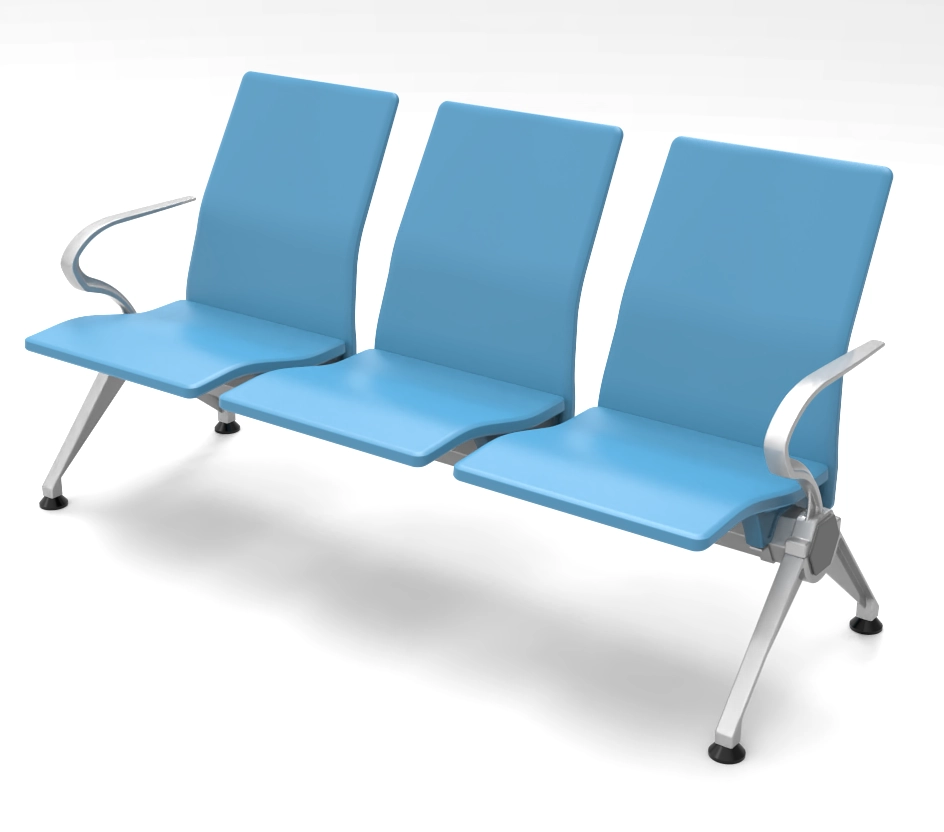
3. Ergonomics and Inclusivity: Comfort for All Passengers
As air travel becomes more accessible, Leno is focusing on seating that accommodates diverse needs:
- Adjustable Features: Leno offers chairs with customizable lumbar support, recline angles, and armrest heights—catering to passengers of different body types and mobility levels.
- Family-Friendly Designs: Some models include adjacent seating for parents with children or space for strollers, addressing a common pain point in busy terminals.
- Universal Design: Leno ensures compliance with ADA standards, with clear pathways and accessible seating options for passengers with disabilities.
Passenger Impact: Ergonomic and inclusive seating reduces discomfort during long waits, improving overall airport experience—especially important as flight delays remain a frequent issue.
4. Space Optimization and Flexibility
Airports need seating that adapts to fluctuating passenger volumes, and Leno is innovating for flexibility:
- Modular Configurations: Leno's chairs can be rearranged into rows, clusters, or lounges—allowing airports to reconfigure spaces for peak hours or special events.
- Compact Designs: Newer models maximize comfort while minimizing footprint, ideal for space-constrained terminals.
- Multi-Functional Seating: Some Leno chairs double as charging hubs or include storage compartments, adding value without occupying extra space.
Operational Benefit: Flexible seating helps airports manage passenger flow and adapt to changing demand, a key selling point for Leno in urban or high-traffic airports.
5. Durability and Low Maintenance
Airports demand seating that withstands heavy use with minimal upkeep, and Leno is engineering for longevity:
- Robust Materials: Leno uses scratch-resistant, easy-to-clean fabrics and corrosion-proof frames—ideal for high-traffic, high-moisture environments.
- Modular Replacements: Instead of replacing entire chairs, airports can swap out worn parts (e.g., cushions, legs), reducing long-term costs.
- Anti-Vandalism Features**: Leno's designs include tamper-proof hardware and impact-resistant materials, minimizing damage from misuse.
Cost Advantage: Durable, low-maintenance chairs like Leno's reduce total ownership costs for airports, making them attractive for long-term investments.
6. Global Market Expansion and Localization
As air travel recovers and grows (especially in Asia-Pacific and Middle East regions), Leno is expanding with localized solutions:
- Climate-Adaptive Designs: Leno offers chairs with heat-resistant materials for hot climates and insulated options for colder regions.