





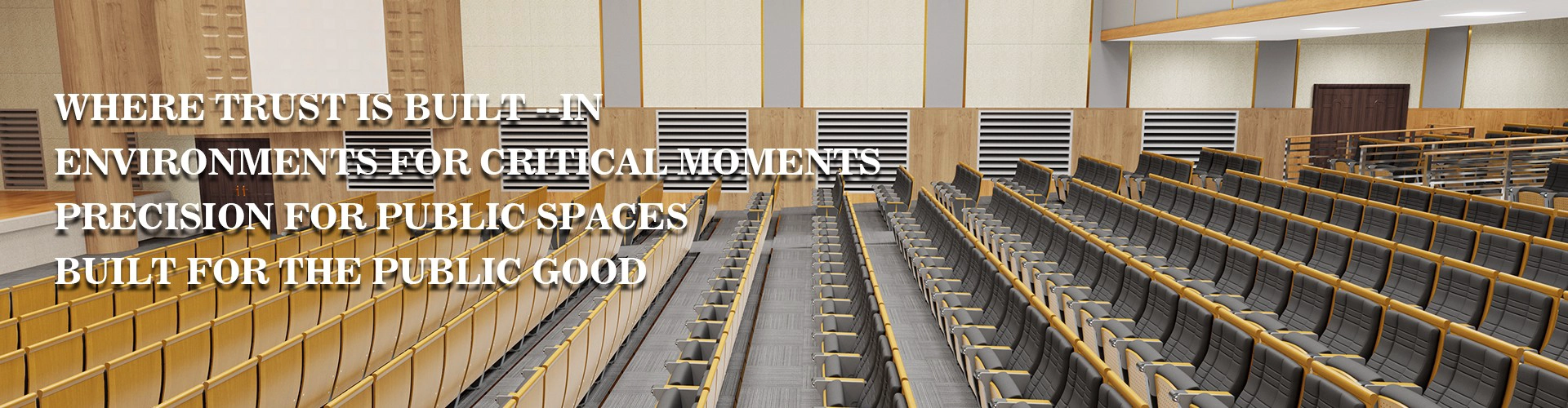
Leno Auditorium Seating: Industry Development Trends and Future Directions for 2025-2030
Leno Auditorium Chairs: Key Industry Development Directions Auditorium seating has evolved from basic functional furniture to a critical element that defines audience experience, venue efficiency, and operational sustainability. As a leading brand in commercial seating, Leno is at the forefront of this transformation, aligning its auditorium chair designs with the industry’s most pressing demands and future trends. This article examines the core development directions shaping Leno’s approach and the broader auditorium seating market.
1. Ergonomic Excellence: Redefining Audience Comfort With audiences spending extended hours in seated positions during performances, lectures, or events, ergonomic design has become non-negotiable. Leno’s auditorium chairs prioritize long-term comfort without compromising aesthetics or functionality: - Anatomically Engineered Support: Seats feature contoured cushions and adjustable lumbar support to reduce fatigue, with optimized seat depth and backrest angles tailored to diverse body types. - Optimized Spacing and Accessibility: Row spacing and tapered armrests ensure easy access while maximizing venue capacity—critical for high-traffic venues. - Silent Operation: Materials and mechanisms are engineered to eliminate creaking or shifting noises, preserving acoustic clarity in performance spaces. Industry Impact*: Ergonomic advancements like Leno’s improve audience satisfaction, reduce discomfort-related distractions, and boost repeat attendance—making them a key differentiator in competitive venue markets.
2. Smart Technology Integration: Building Connected Venues The rise of smart venues demands seating that integrates seamlessly with digital infrastructure. Leno is embedding intelligent features to enhance both attendee experience and venue management: - Built-In Power Solutions: USB-C ports and wireless charging pads in armrests cater to attendees’ device needs, eliminating the hassle of finding power outlets. - IoT-Enabled Monitoring: Sensors track seat occupancy, temperature, and maintenance requirements, enabling venue managers to optimize cleaning schedules and identify underutilized areas. - Interactive Enhancements: Some models include embedded displays for digital programs, subtitles, or real-time translations—improving accessibility for diverse audiences. Value Proposition: Leno’s smart seating turns passive seating into an active part of the venue ecosystem, enhancing attendee engagement while streamlining operations.
3. Sustainability: From Material Sourcing to End-of-Life Environmental responsibility is a top priority for institutional buyers and venue operators. Leno’s auditorium chairs reflect a commitment to sustainability at every stage: - Eco-Friendly Materials: Frames use recycled aluminum and steel, while upholstery incorporates bio-based foams and repurposed textiles—reducing reliance on virgin resources. - Modular, Repairable Design**: Components (e.g., cushions, armrests, bases) are easily replaceable, extending product lifespan and minimizing waste. - Green Manufacturing: Production processes prioritize energy efficiency, water conservation, and compliance with certifications like LEED and BREEAM. Market Relevance*: As venues adopt ESG goals, Leno’s sustainable designs meet growing demand for eco-conscious furniture, positioning it as a preferred partner for institutional and commercial projects.
4. Acoustic Engineering: Enhancing Sound Performance
Auditorium seating significantly impacts sound quality—absorbing echoes, reducing noise, and ensuring even sound distribution. Leno engineers chairs to act as acoustic tools:
- **Acoustically Tuned Fabrics**: Cushions use materials with specific densities to absorb background noise while reflecting sound toward the stage.
- Perforated Backrests: Strategically placed perforations allow sound to pass through, ensuring even audio coverage across all seating tiers.
- Collaborative Testing: Leno works with acoustic experts to test chairs in real auditorium environments, refining designs for optimal performance.
Technical Advantage*: Acoustically optimized seating improves speech intelligibility and music quality—critical for theaters, concert halls, and educa
Conclusion
Leno’s approach to auditorium chair design reflects the industry’s shift toward smarter, greener, and more adaptable solutions. As venues prioritize audience experience, operational efficiency, and environmental responsibility, Leno’s innovations—from ergonomic comfort to smart technology and sustainable materials—position it as a leader in shaping the future of auditorium seating. For venue operators, designers, and institutions, Leno offers more than furniture: it offers a strategic partner in creating spaces that meet the demands of today and tomorrow.