





Modular Seating Lets Multi-Purpose Venues Switch From Football to Concerts in 90 Minutes
Multi-purpose venues are the future of live events, but for years, they had a problem: switching between different event types took days, which meant venues couldn't host as many events, and they lost out on revenue. But new modular stadium seating is changing that, letting venues switch from a football stadium to a concert venue in just 90 minutes, turning underused space into a revenue-generating machine that can host hundreds of events a year.
London's Wembley Stadium was one of the first venues to adopt this new technology, and it's completely transformed how the venue operates. Before, when Wembley wanted to switch from a football match to a concert, it would take days to move the seats, rebuild the stage, and get the venue ready. That meant the venue could only host a handful of non-sports events a year, because it took too long to switch over. But now, with modular, retractable seating systems, they can do the switch in just 90 minutes. That means they can host a football match on Saturday, a concert on Sunday, and a corporate event on Monday, without missing a beat.
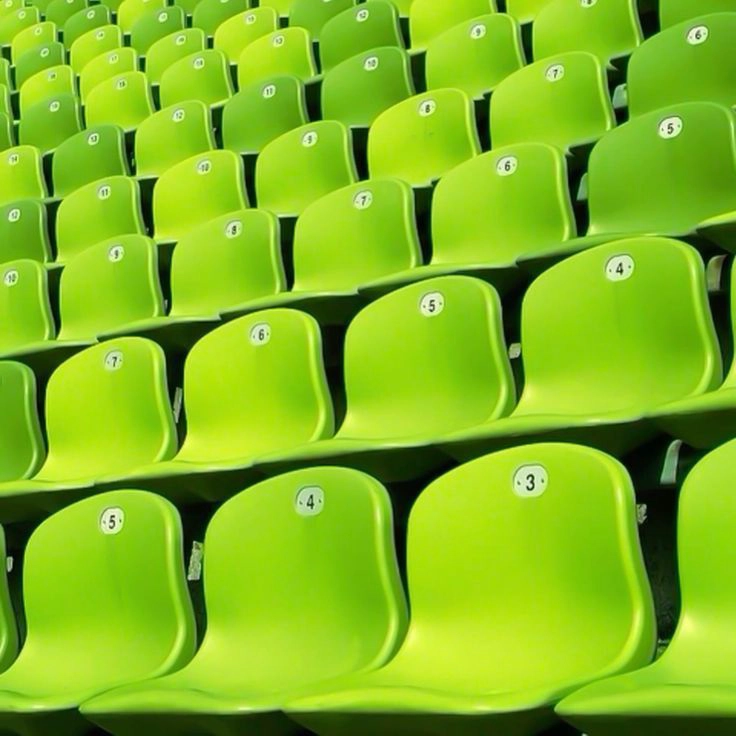
The modular seating systems are made of lightweight, stackable units, that can be moved around easily, with automated systems that do most of the work. The seats are built into mobile platforms, that can be rolled into place, or stacked up against the wall, when they're not needed. For football, you roll out the full seating bowl, to get the maximum capacity for the match. For a concert, you stack up the lower bowl seats, and build a stage in the middle, turning the venue into a massive concert hall, with standing room areas and premium seating sections. And it all happens automatically, in just a few hours.
This has completely changed the business model for multi-purpose venues. Before, these venues would only host 20 or 30 events a year, because it took too long to switch between them. Now, they can host more than 120 events a year, everything from sports to concerts to conventions to trade shows. That means the venue can generate way more revenue, because they're using the space every day, instead of just on game days. For Wembley, that's meant a huge increase in their annual revenue, because they can host more events, and make more money from ticket sales, concessions, and rentals.
It's not just Wembley that's benefiting. Venues all over the world are adopting this technology, especially in cities where space is limited, and venues can't afford to build separate stadiums for sports and concerts. Modular seating lets them have one venue that can do it all, without having to build multiple facilities. That saves cities millions of dollars in construction costs, because they don't have to build separate venues for different events. And it means that fans in smaller cities can get access to big concerts and big sports events, because the venue can host both.
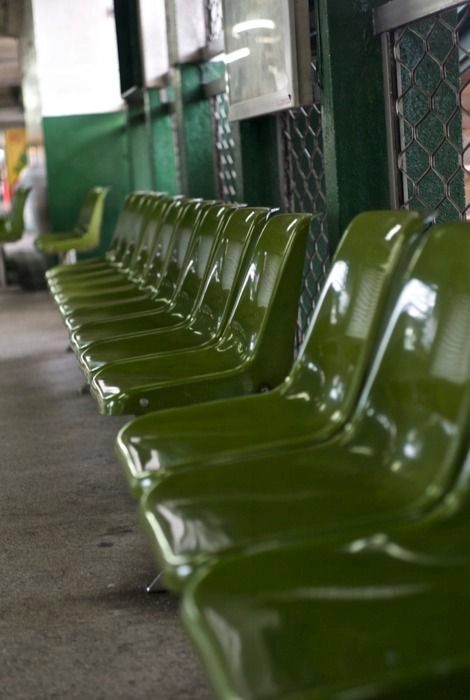
The seats themselves are just as high-quality as traditional fixed seats. They're durable, comfortable, and they meet all the same safety standards, so fans don't have to sacrifice comfort for flexibility. A single modular Stadium chair is just as comfortable as a fixed one, with the same ergonomic design, cup holders, and features, so fans get the same great experience, no matter what event they're attending. And the modular design means that if a seat breaks, you can just replace that single unit, instead of having to replace an entire row, which makes maintenance easier and cheaper.
This technology is also a game-changer for emerging markets, where cities don't have the budget to build multiple venues. A single multi-purpose venue with modular seating can host everything from local football matches to international concerts to community events, which means the city can get more use out of their investment, and the venue can pay for itself much faster. That's why modular seating is becoming so popular in Southeast Asia, Africa, and Latin America, where cities are building new venues, but they need to get the most out of their investment.
The best part? This technology is getting cheaper and more accessible every year. What used to be only available for the biggest, most expensive venues is now available for smaller, community venues, too. That means even small cities can have a multi-purpose venue that can host a wide range of events, bringing more entertainment, more jobs, and more revenue to the community.
The modular Stadium chair is the core of this revolution. It's turning venues from single-purpose sports facilities into multi-use entertainment hubs, that can serve the community every single day of the year. And as more venues adopt this technology, it won't be long before every multi-purpose venue has this kind of flexible seating, making live events more accessible, more affordable, and more fun for everyone.