




New US Tariffs Are Reshaping The Stadium Seating Supply Chain, Pushing Manufacturers Local
New US tariffs on imported goods, implemented in 2025, are sending shockwaves through the stadium seating industry, forcing manufacturers to rethink their supply chains, and shift production back to North America, to avoid the extra costs. It's a huge shift that's reshaping the entire industry, as companies adjust to the new trade rules, and try to stay competitive in the US market.

Before the tariffs, many seating manufacturers were producing their seats overseas, in Asia, to take advantage of lower labor costs, and then importing them to the US. That let them offer lower prices to US venues, and stay competitive. But the new 2025 tariffs added a 25% tax on imported seating products, which made those imported seats way more expensive, suddenly erasing the cost advantage of overseas production.
That forced manufacturers to act fast. Companies like Hussey Seating and Preferred Seating, two of the biggest seating manufacturers in the US, announced that they were shifting their production back to North America, to avoid the tariffs. They're expanding their factories in the US and Mexico, so they can produce more seats locally, and avoid the extra costs of importing them from Asia. The goal is to get 70% of their North American production done locally, by 2032, up from just 55% before the tariffs.
It's not just the big companies, either. Smaller manufacturers are also shifting their supply chains, moving production closer to the US market, to avoid the tariffs. Some are moving to Mexico, which has free trade agreements with the US, so they can get the lower labor costs, without having to pay the tariffs. Others are expanding their US factories, hiring more workers, and investing in automation, to keep their costs down, even with higher US labor costs.
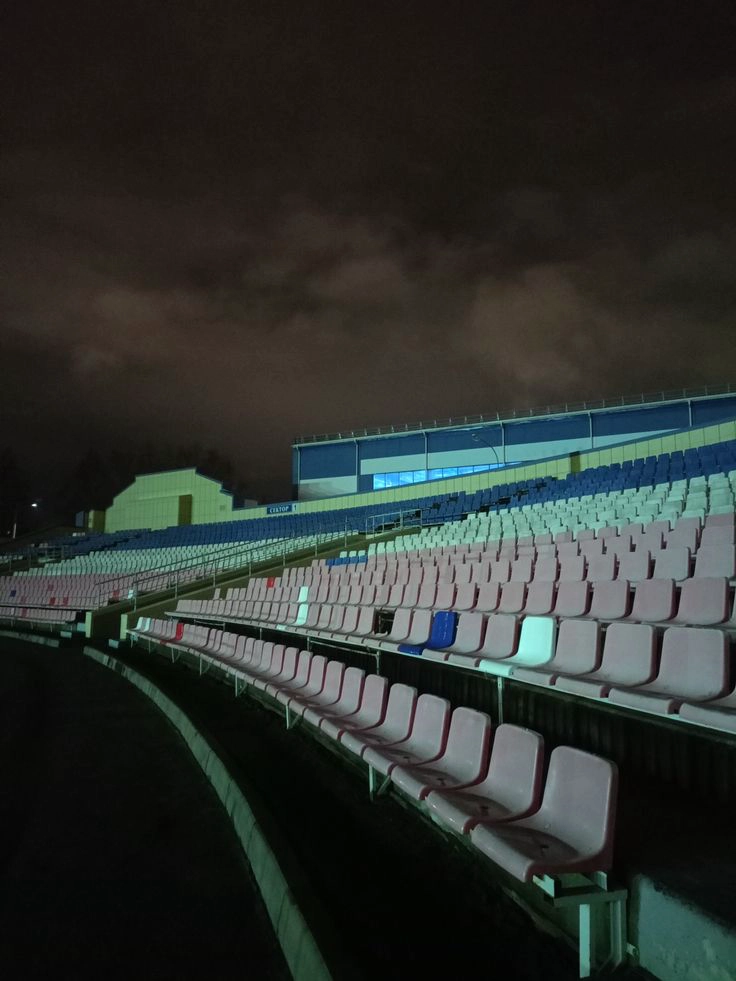
The shift is already having an impact on the industry. Supply chain costs have gone up by about 10% overall, as manufacturers adjust to the new production costs, but it's stabilizing, as they get their new factories up and running. Delivery times have gotten a little longer, as companies adjust their production lines, but they're expected to go back to normal, once the new facilities are fully operational.
It's also creating new jobs in North America, as manufacturers expand their local factories. The shift is expected to create thousands of new manufacturing jobs, in states like Michigan, Ohio, and Texas, where many of the seating factories are located. That's a big win for local economies, as these jobs are stable, well-paying jobs, that support the community.
For venues, the shift means that prices are going up a little bit, but not as much as they would have if the manufacturers had just passed the tariff costs on to them. Because the manufacturers are shifting production local, they're able to keep their prices stable, even with the tariffs. And it means that the supply chain is more reliable, too, because they don't have to deal with international shipping delays, customs issues, or supply chain disruptions, like the ones we saw during the pandemic.
A locally made Stadium chair is now more competitive than ever, because the tariffs have leveled the playing field between local and imported seats. Before, imported seats were cheaper, but now, with the tariffs, local seats are just as affordable, and they come with faster delivery, better support, and more reliable supply chains. That's a win for everyone, because it makes the industry more resilient, and less vulnerable to global trade disruptions.
The tariffs are also pushing manufacturers to innovate, to find ways to cut their costs, so they can stay competitive. They're investing in automation, in new materials, and in more efficient production processes, to make local production more cost-effective. That's good for the industry, because it drives innovation, and makes the whole sector more efficient.
It's a big shift, but it's one that the industry is adapting to quickly. The new US tariffs are reshaping the stadium seating supply chain, making it more local, more resilient, and more competitive. And the local Stadium chair is now the new standard, for the US market, bringing jobs, reliability, and stability to the industry, for years to come.