





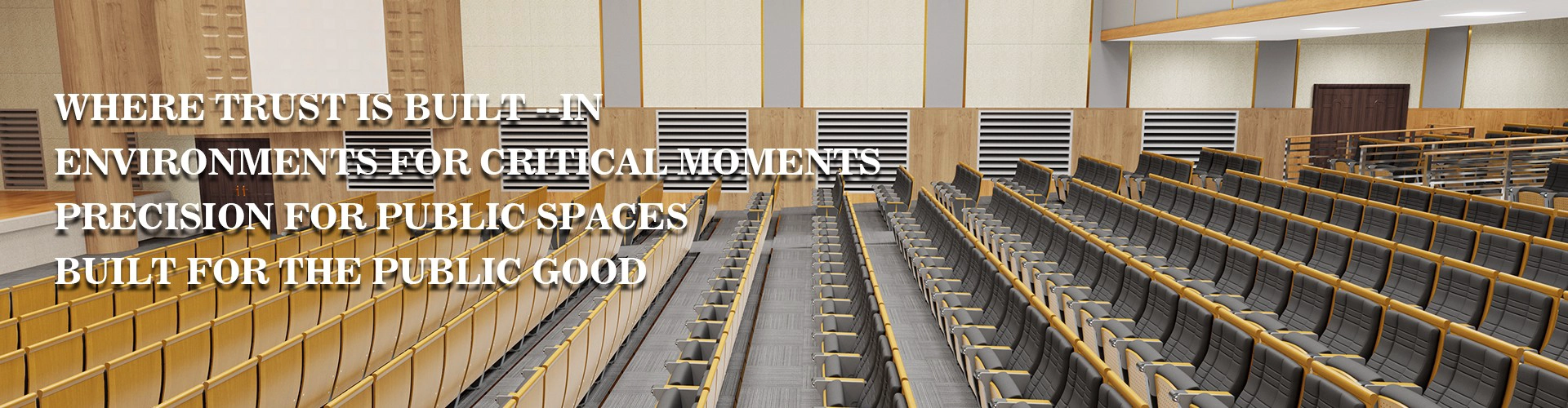
Optimizing Leno Auditorium Chair Production: A Comprehensive Guide to Efficient Manufacturing Management
Leno Auditorium Chair Production Management: A Strategic Approach to Excellence
For Leno, producing auditorium chairs isn’t just about crafting comfortable seating—it’s about integrating precision, efficiency, and quality at every stage of manufacturing. As a trusted name in auditorium furniture, Leno’s production management approach ensures that every chair meets rigorous standards for durability, comfort, and aesthetics, while also optimizing resources and timelines. Here’s a deep dive into how Leno manages its auditorium chair production to deliver exceptional results.
Pre-Production Planning: Laying the Foundation
Effective production management starts long before materials hit the factory floor. Leno’s pre-production phase focuses on three critical areas:
- Demand Forecasting & Production Scheduling: By analyzing order volumes, client timelines, and market trends, Leno creates realistic production schedules. This prevents overproduction (reducing inventory costs) and underproduction (avoiding delays), ensuring chairs are ready when needed.
- Material Sourcing & Quality Assurance: Leno partners with certified suppliers to source high-quality materials—such as flame-retardant fabrics, durable metal frames, and eco-friendly wood. Each material batch undergoes strict quality checks to meet safety and performance standards (e.g., fire resistance, load-bearing capacity) before entering production.
- Design Finalization & Prototyping: Before mass production, Leno creates prototypes of new chair designs. These are tested for ergonomics, stability, and durability, and adjustments are made based on feedback to ensure the final product aligns with client requirements.
Streamlined Production Process: Precision in Action
Leno’s production line is divided into key stages, each managed with meticulous attention to detail:
- Cutting & Shaping: Advanced CNC machines cut metal frames and wood components to exact specifications, minimizing material waste and ensuring consistency. For upholstery, fabrics are cut using automated cutters to match chair dimensions perfectly.
- Frame Assembly: Skilled technicians assemble metal frames using welding or bolted joints, depending on the design. Every joint is inspected to ensure structural integrity, as auditorium chairs must support repeated use over years.
- Upholstery & Padding: High-density foam is layered for optimal comfort, then covered with pre-cut fabric. Leno uses industrial sewing machines and skilled upholsterers to ensure seams are tight, fabric is wrinkle-free, and padding is evenly distributed.
- Finishing & Coating: Metal frames receive anti-corrosion coatings (e.g., powder coating), while wooden parts are sanded and finished for a smooth, durable surface. This step enhances the chair’s longevity, especially in high-traffic auditoriums.
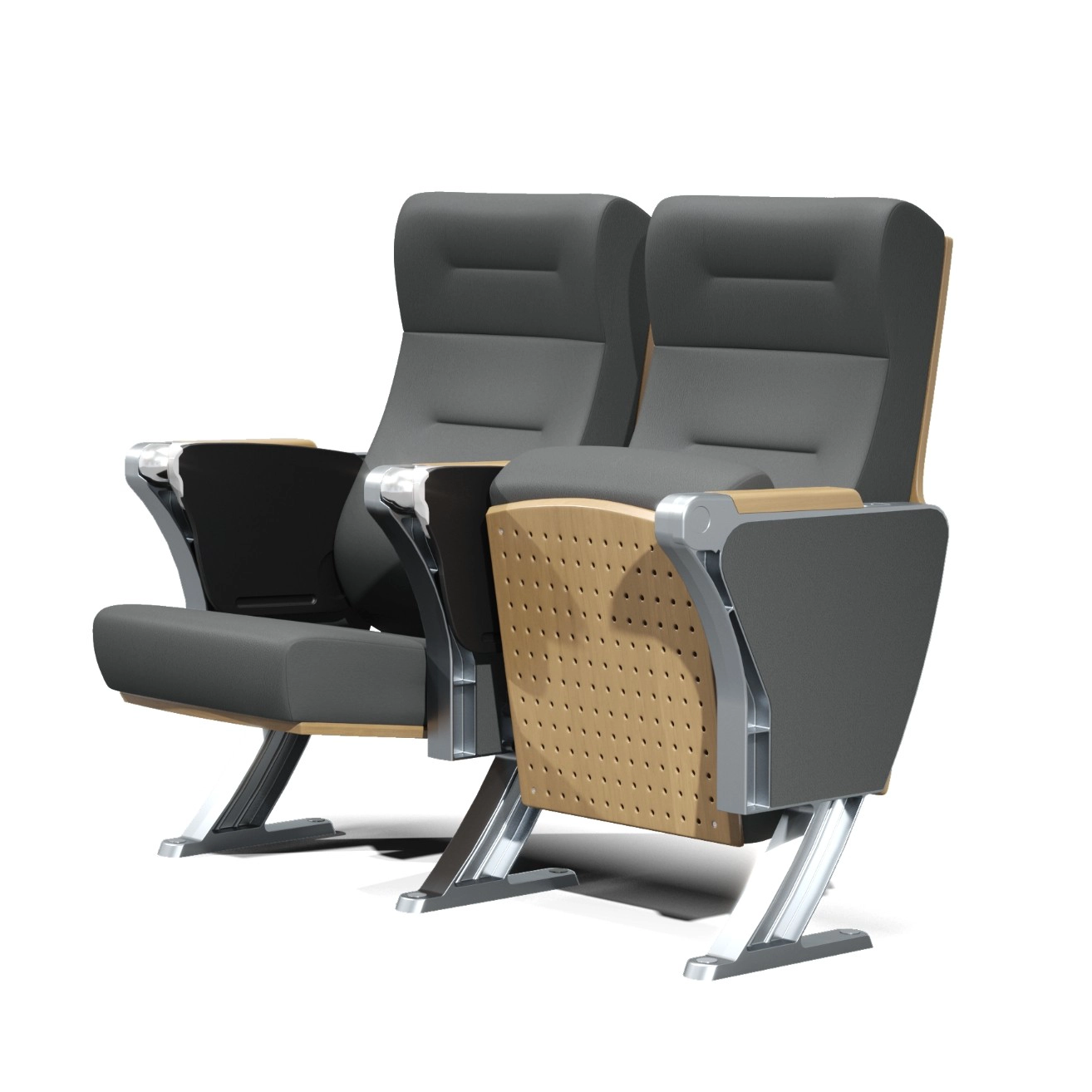
- Final Assembly & Quality Check: All components (frame, upholstery, armrests, etc.) are assembled, and each chair undergoes a final quality inspection. This includes checking for loose screws, fabric flaws, and overall stability—no chair leaves the factory without passing this stage.
Quality Control: Non-Negotiable Standards
Quality is central to Leno’s production management. The company implements a multi-layered quality control system:
- In-Process Checks: At every production stage (e.g., after frame assembly, after upholstery), technicians perform spot checks to catch issues early.
- Final Inspection: 100% of chairs are visually inspected, and a sample batch undergoes stress tests (e.g., weight load, hinge durability) to ensure compliance with industry standards.
- Documentation & Traceability: Each chair is tagged with a production ID, allowing Leno to trace materials, production steps, and quality checks. This helps identify and resolve issues quickly if they arise.
Efficiency & Sustainability: Balancing Speed and Responsibility
Leno’s production management prioritizes both efficiency and sustainability:
- Lean Manufacturing Principles: Leno minimizes waste by optimizing workflows, reducing unnecessary movements, and using just-in-time (JIT) inventory for materials. This cuts production time and costs without compromising quality.
- Energy-Efficient Equipment: The factory uses energy-saving machinery (e.g., LED lighting, low-energy welding tools) to reduce its carbon footprint.
- Waste Recycling: Fabric scraps, metal offcuts, and wood shavings are recycled or repurposed, aligning with Leno’s commitment to eco-friendly production.
Post-Production: Ensuring Seamless Delivery
Production management doesn’t end with manufacturing—Leno also focuses on post-production logistics:
- Packaging: Chairs are packaged with protective materials (e.g., foam corners, plastic wrap) to prevent damage during transit. Leno uses recyclable packaging materials wherever possible.
- Inventory Management: Finished chairs are stored in a climate-controlled warehouse, organized by order and delivery date, to ensure quick and accurate dispatch.
- Delivery Coordination: Leno works with reliable logistics partners to ensure chairs reach clients on time, with real-time tracking for transparency.
Continuous Improvement: Adapting for the Future
Leno’s production management is not static—it evolves based on feedback and industry advancements:
- Data-Driven Insights: Leno collects data on production times, defect rates, and material usage to identify areas for improvement. For example, if a specific assembly step is consistently slow, the team re-evaluates the workflow to boost efficiency.
- Staff Training: Technicians and managers receive regular training on new production techniques, safety protocols, and quality standards to maintain high performance.
- Technology Integration: Leno invests in new technologies (e.g., AI-powered quality inspection tools, automated assembly robots) to stay ahead of industry trends and enhance production capabilities.
Conclusion: Delivering Excellence, One Chair at a Time
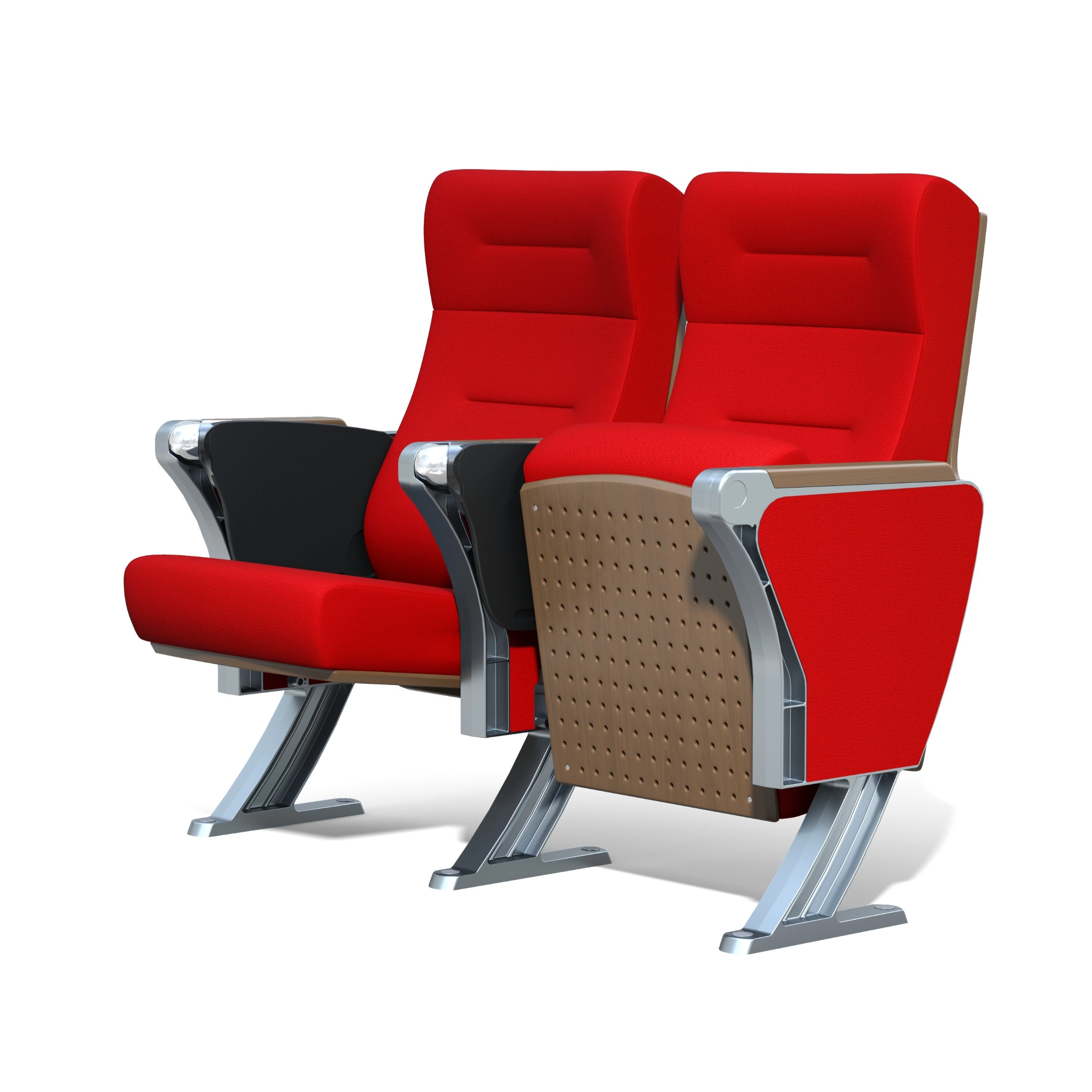
Leno’s auditorium chair production management is a holistic approach that balances quality, efficiency, and sustainability. By focusing on pre-production planning, precise manufacturing, rigorous quality control, and continuous improvement, Leno ensures every chair meets the highest standards—whether for a small community theater or a large concert hall. For clients, this means receiving durable, comfortable, and aesthetically pleasing seating on time, every time. For Leno, it’s a commitment to excellence that drives the company’s success in the competitive auditorium furniture market.