





Rapid Prototyping in the Classroom: The School Desk and Chair with a Built-In 3D Printer Bay
The makerspace has traditionally been a separate room, isolating design and fabrication from the core curriculum. A visionary school desk and chair now integrates a compact, fully enclosed 3D printer into the desk pedestal, allowing students to design in CAD on their tablet and hit "print" without leaving their seat.
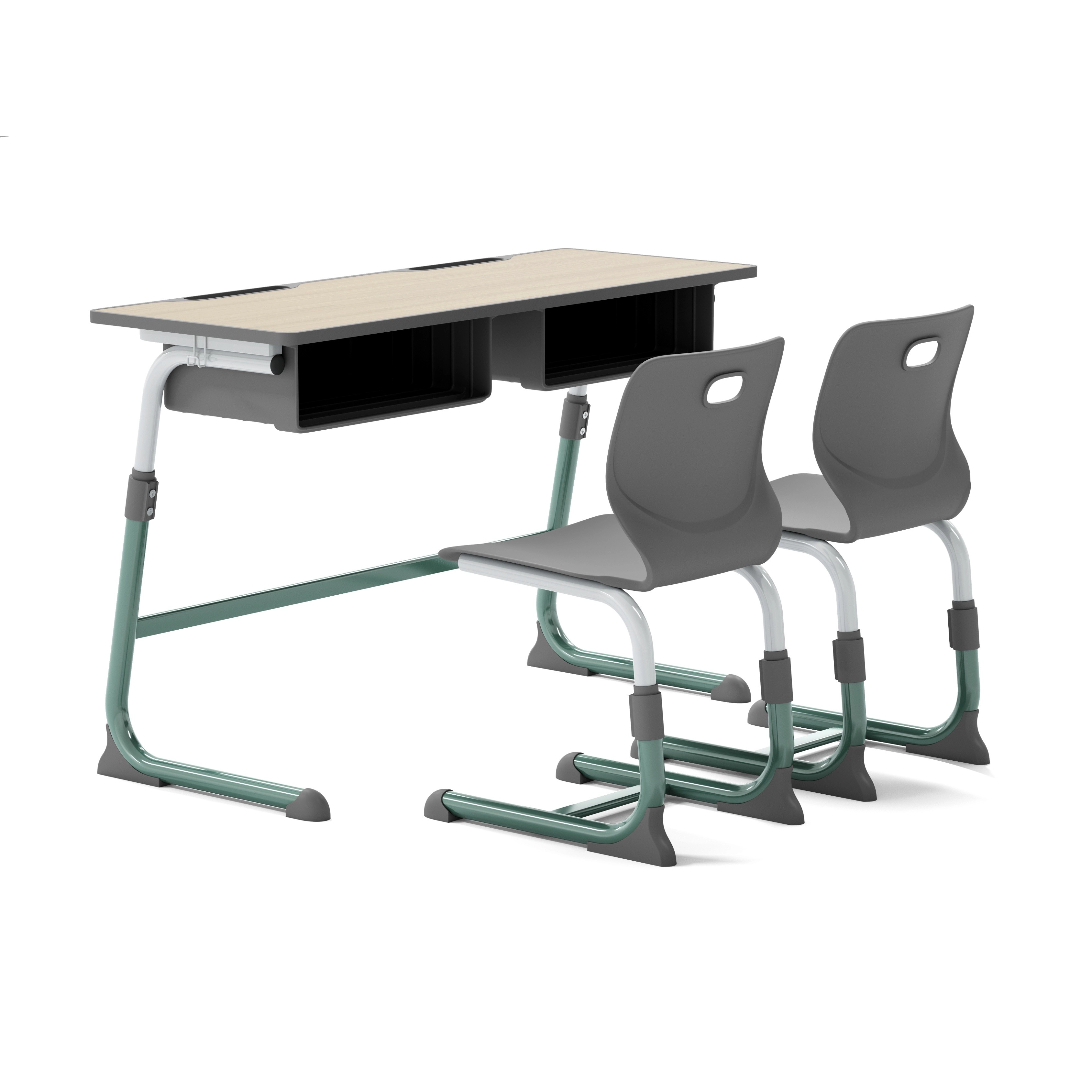
The integration of digital fabrication into everyday learning has been hampered by logistics: 3D printers are noisy, smelly, and require a dedicated, ventilated area. The "PrintStation" desk solves this by embedding a small-format, HEPA-filtered, fully enclosed 3D printer in the right-hand pedestal of a two-student school desk and chair unit. The printer is silent, fume-free, and safe to touch during operation, certified for classroom use. Students in a design technology or geometry class can create a model — a geometric solid, a historical artifact replica, a simple machine part — on their school-issued tablet, and wirelessly send the file to their own desk’s printer. Within a single class period, they can iterate through multiple design cycles, moving seamlessly between digital abstraction and physical reality, all while remaining seated at their school desk and chair.
The pedagogical implications are profound. The desk becomes a self-contained design loop. A pair of students can collaborate on a CAD model, print a prototype, test it, identify flaws, modify the digital file, and reprint — all within arm’s reach. This collapses the time and space between ideation and testing, which is the essence of the engineering design process. The teacher can monitor all print jobs in the room via a dashboard, ensuring that the filament is used responsibly and that the curriculum is being followed. The printer uses PLA filament, a biodegradable, plant-based plastic that is non-toxic and safe. The enclosed build chamber has a transparent door, so the process is a constant, silent fascination — the object growing layer by layer on a student’s own school desk and chair.
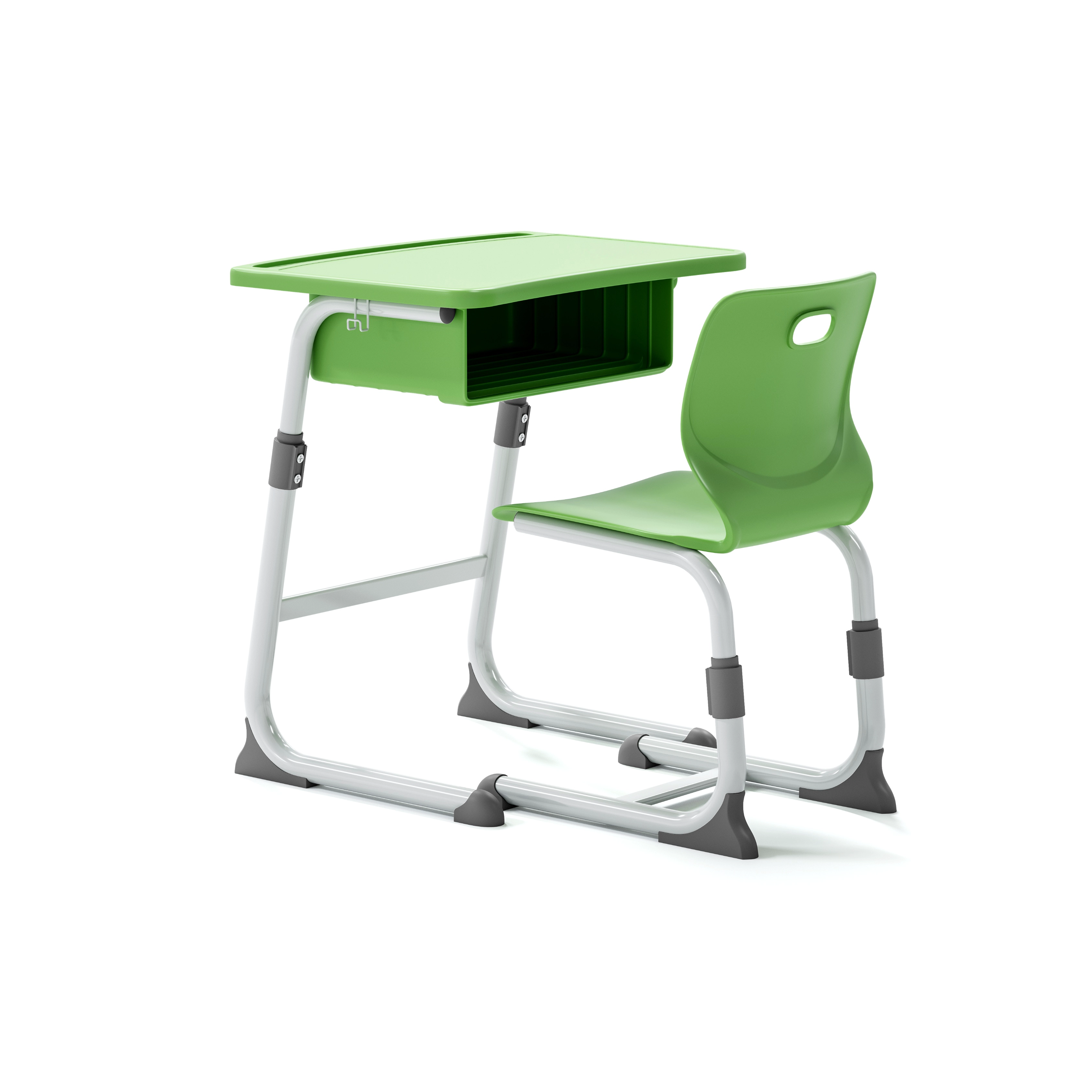
The cost and maintenance are significant considerations; each PrintStation desk costs as much as a high-end laptop cart, and the printers require regular nozzle cleaning and calibration, which is managed by a centralized IT support contract. Schools are deploying them not as a full-classroom set, but as a cluster of four to six units in a design lab, or as a shared resource that students rotate through. The PrintStation represents the logical endpoint of the "school desk and chair as a digital portal" trend: the desk not only connects you to the virtual world, but can now materialize the virtual into the physical on demand. It blurs the line between furniture and fabrication tool, preparing students for a future where making is as fundamental a skill as writing.