





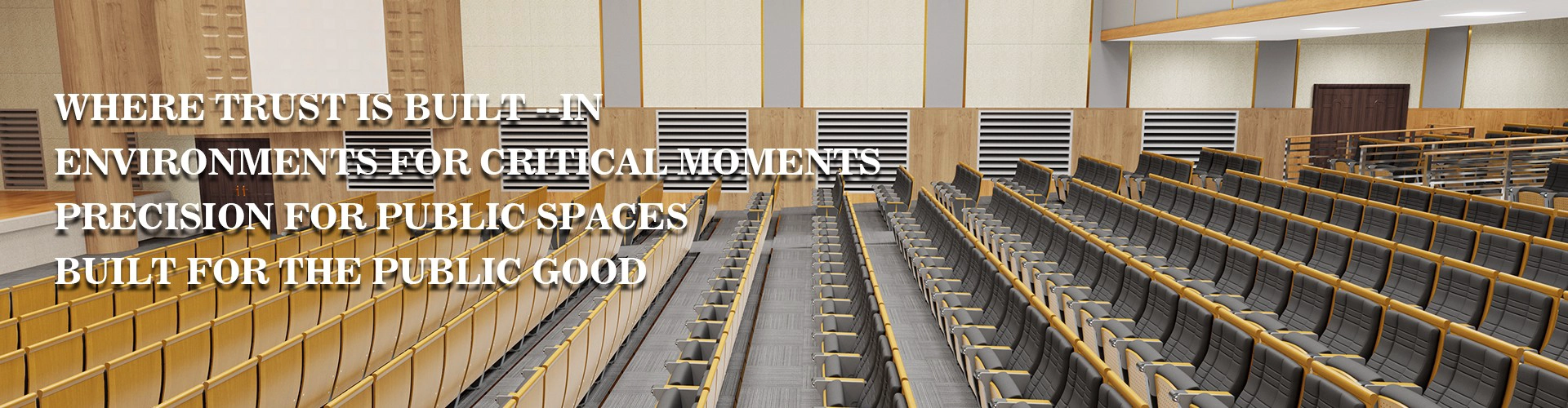
Smart Auditorium Chairs: A New Standard for Smart Venues, Enabling a New "Connected and Interactive" Experience
These smart auditorium chairs have built-in miniature sensors and communication modules, enabling several innovative functions: automatically illuminating the seat number upon entry; adjusting seat cushion firmness and backrest angle based on the audience's body type; and allowing users to pre-select seats and save personal preference settings via an app. More advanced models are also equipped with touch panels, enabling one-touch service calls, lighting adjustments, and participation in live polls.
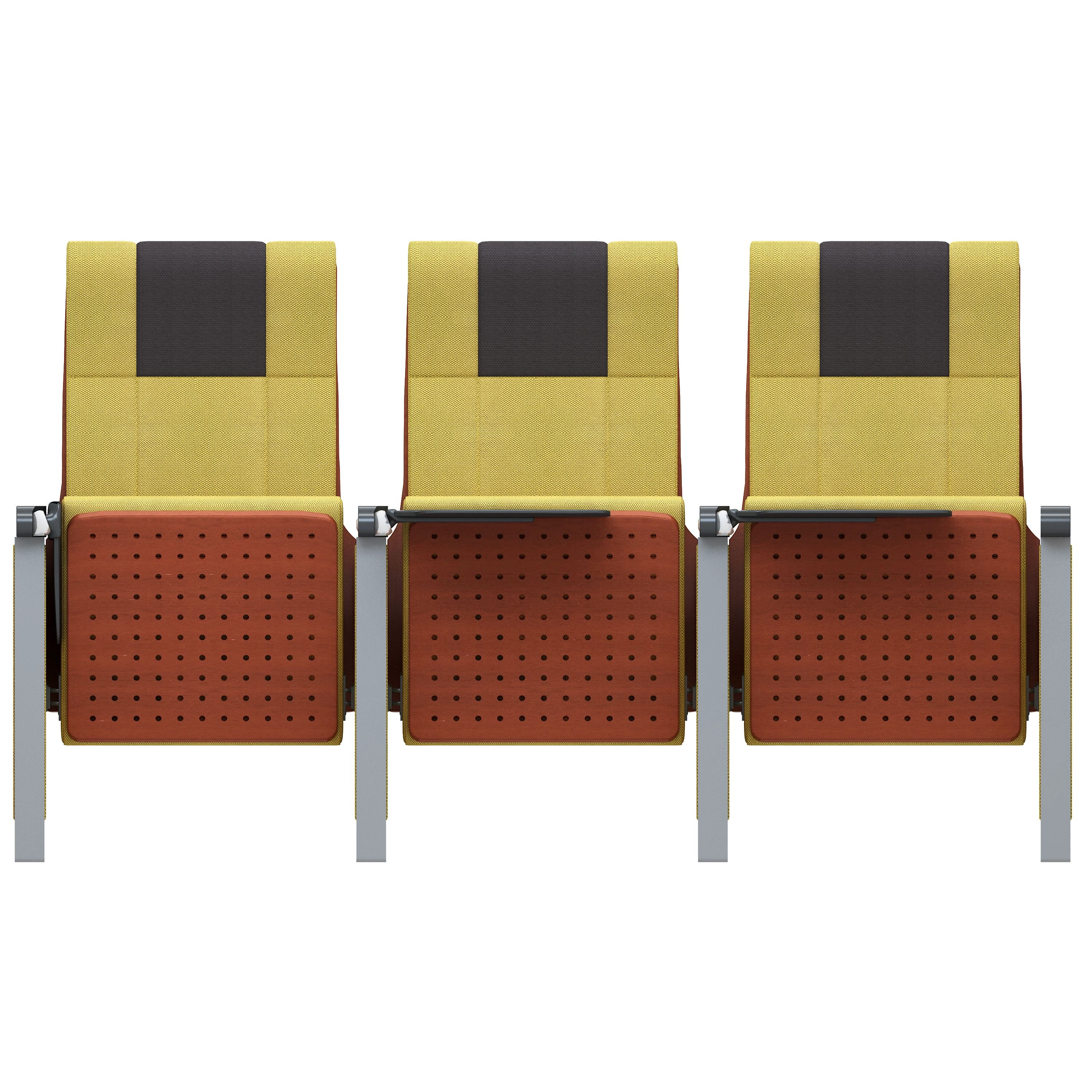
On the management side, the system can monitor the usage status of the auditorium chairs in real time and automatically generate cleaning and maintenance plans. When a chair malfunctions, the system immediately sends an alert, significantly improving operation and maintenance efficiency. A venue manager stated, "Previously, inspections took two hours; now the system automatically reminds us, saving a lot of manpower."
During large events, smart auditorium chairs can also assist in safe evacuation. By linking with the fire safety system, they can automatically illuminate escape routes in emergencies and guide the audience to evacuate in an orderly manner through seat vibrations or sound prompts, improving emergency response capabilities.
In terms of environmental protection, smart auditorium chairs adopt a low-power design, and some products are equipped with miniature solar charging panels to achieve energy self-sufficiency. Simultaneously, data-driven precise maintenance reduces resource waste.
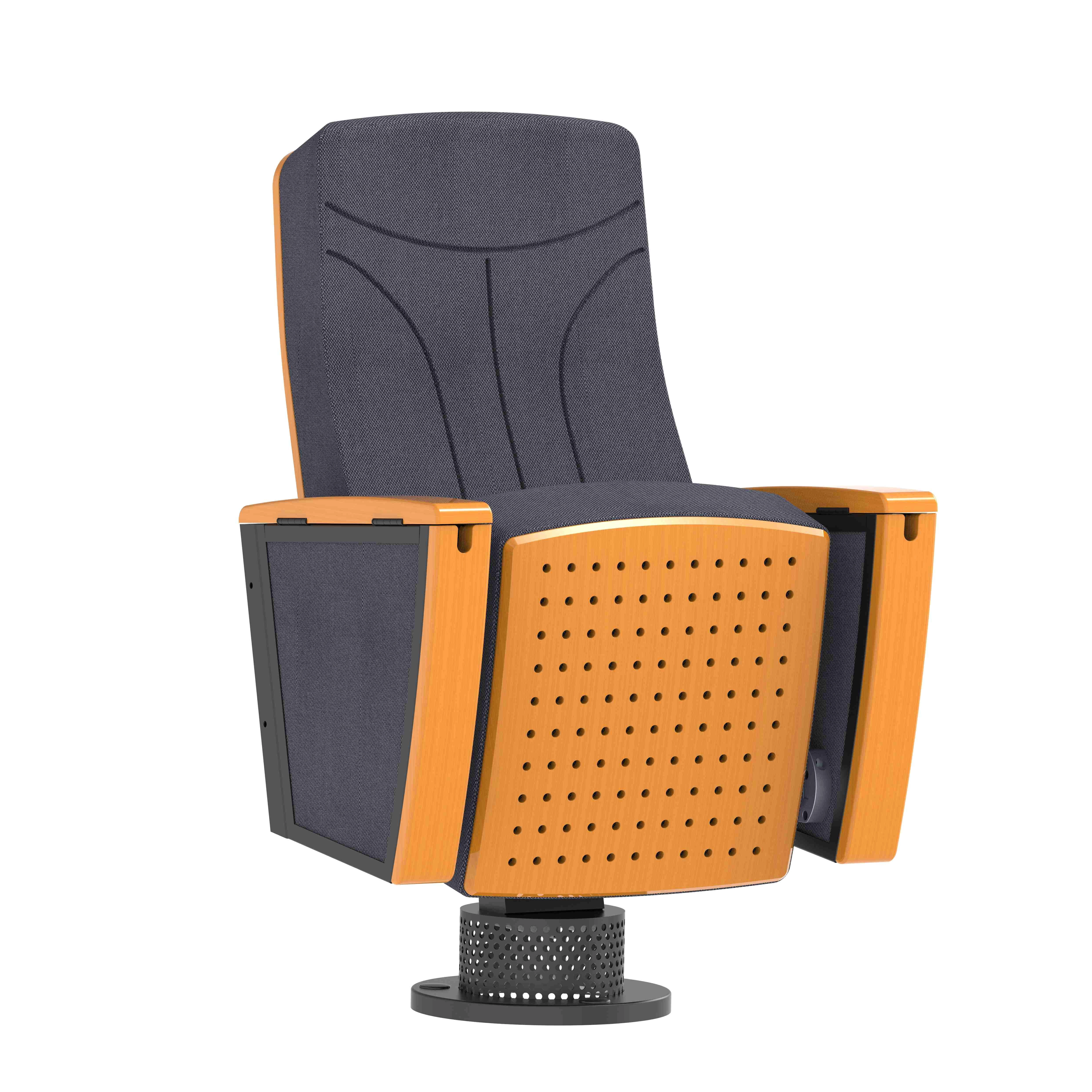
Industry experts believe that the intelligence of auditorium chairs is a crucial part of the digital transformation of public spaces. In the future, auditorium chairs may be integrated into urban public service platforms, enabling more applications such as cross-venue membership systems, health monitoring, and personalized recommendations.
From "sitting" to "connecting," auditorium chairs are silently weaving a network of smart living. They are no longer just tools for rest, but bridges for dialogue between people and space.