





Smart Stadium Chairs with Haptic Feedback: The Future of Immersive Fan Experience
Imagine watching a penalty kick and feeling the tension in the stadium through your seat, or experiencing the roar of a crowd as a physical vibration when your team scores. A new haptic stadium chair is turning the spectator experience into a full-body sensory event, and early tests suggest it could change how we watch live sports forever.
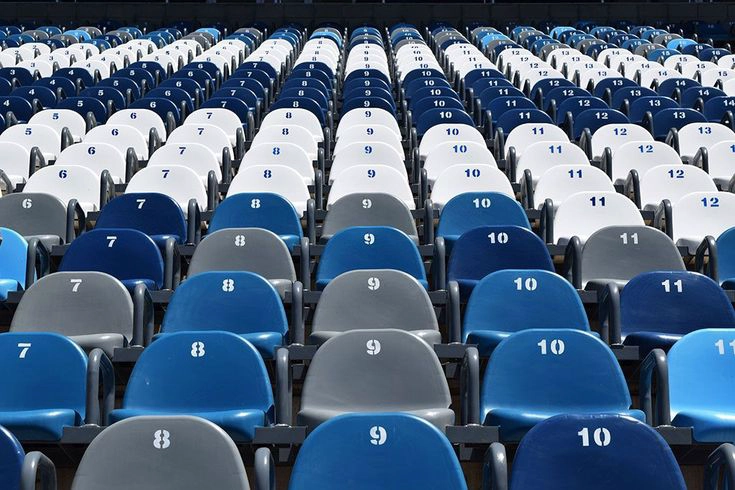
The live sports experience has always been about shared energy — the collective gasp, the synchronized roar, the wave that ripples through the stands. The "PulseSeat" is a stadium chair that translates that energy into physical sensation. Embedded in the seat pan and backrest are a series of precision haptic actuators, similar to those in high-end gaming controllers but scaled up for industrial use. These actuators can produce a wide range of tactile effects: a low-frequency rumble that mimics the crowd's bass energy, a sharp pulse that marks a referee's whistle, or a slow, building vibration that accompanies a team's advance toward the goal. The system is synchronized with the stadium's lighting and sound systems through a central show-control computer, creating a unified, multi-sensory experience for every fan in the venue. The stadium chair becomes a conduit for the emotional content of the match.
The technology is not just about cheap thrills; it has real accessibility and inclusion benefits. For deaf and hard-of-hearing fans, the haptic stadium chair provides a new way to experience the crowd's atmosphere that they would otherwise miss. The actuators can be programmed to translate the audio waveform of the stadium announcer into a vibration pattern, effectively making the seat a form of tactile sound system. For visually impaired fans, the haptic cues can indicate key moments — a goal, a penalty, a time-out — without requiring a separate audio description device. The inclusive design possibilities are enormous, and disability advocacy groups have been among the strongest early supporters of the technology. A pilot program in a Championship soccer stadium in England equipped 200 seats with PulseSeat systems, and the feedback from disabled fans was overwhelmingly positive.

The commercial potential is also significant. Teams are already exploring premium "Haptic Zone" sections where fans pay extra for the immersive experience. The data generated by the system — which moments caused the strongest physical response — is a goldmine for marketing and sponsorship teams, providing a new metric of fan engagement that goes beyond simple attendance numbers. The hardware itself is ruggedized for outdoor use, with the actuators sealed in waterproof enclosures and the entire system designed to run on the stadium's existing power infrastructure. The haptic stadium chair is not yet standard equipment, but as the technology matures and costs come down, it could become as ubiquitous as the cup holder. The future of live sports is not just about what you see and hear; it is about what you feel in your very bones.