






Steelcase Unveils New Ergonomic Waiting Chair Line for Healthcare Waiting Areas
GRAND RAPIDS, Mich. — Steelcase, the global leader in office and commercial furniture, this week unveiled its newest product line: a range of ergonomic waiting chairs designed specifically for healthcare waiting areas, combining the company’s decades of experience in ergonomic design with the strict hygiene and durability requirements of the healthcare industry.
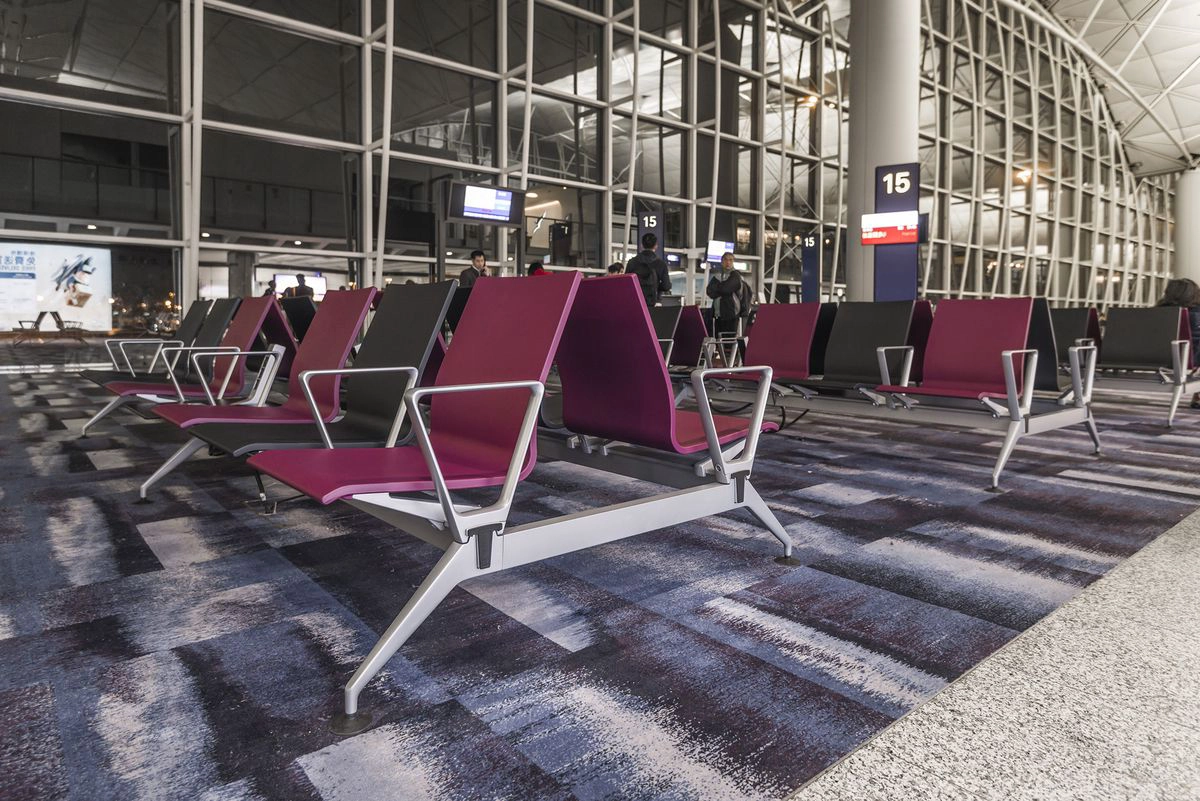
The new line, called HealthSync Waiting Seating, is the result of three years of research and development, in partnership with leading healthcare providers and ergonomics experts. The chairs are designed to address the unique challenges of healthcare waiting areas, where patients and visitors often spend hours waiting, while facilities need furniture that is easy to clean, durable, and resistant to the spread of germs.
“For too long, healthcare waiting areas have been an afterthought, with facilities using generic public seating that wasn’t designed for the unique needs of patients,” said James Ludwig, Steelcase’s global vice president of design and engineering. “We wanted to change that, to create a waiting chair that combines the ergonomic support that our company is known for, with the hygiene and durability that healthcare facilities need. That’s exactly what HealthSync delivers.”
Each chair in the new line features a contoured, ergonomic design that supports the natural curve of the spine, reducing pressure points and fatigue for patients who spend long hours waiting. The seats and backrests are made from a seamless, non-porous material that is easy to wipe down and disinfect, with an antimicrobial coating that kills 99.9% of bacteria within two hours of contact.
The chairs also feature a modular design, allowing facilities to easily rearrange their waiting areas to accommodate changing needs, from flu season surges to social distancing requirements. The frames are made from high-grade stainless steel, which is resistant to corrosion and impact, ensuring that the chairs will last for years even in the busiest of waiting areas.
The launch of the new line comes at a time when demand for high-quality healthcare seating is booming, as hospitals and clinics across the United States race to upgrade their waiting areas after the pandemic. A 2024 survey of US hospitals found that 76% of facilities are planning to upgrade their waiting room furniture over the next two years, as they look to improve patient satisfaction and reduce the spread of germs.
“Patient satisfaction is more important than ever for healthcare providers, and the waiting area is the first impression that patients have of our facility,” said Dr. Michael Chen, chief operating officer at Spectrum Health, which is testing the new chairs in its Grand Rapids hospital. “A good waiting chair can make a huge difference in how patients feel about their experience, and these new chairs from Steelcase are exactly what we needed.”
The new line also includes optional features like integrated charging ports, which allow patients to charge their phones and devices while they wait, and adjustable armrests that make it easier for elderly patients and patients with mobility issues to sit down and stand up. These features have been particularly popular with senior care facilities, where accessibility is a top priority.
Since the launch, Steelcase has already received orders for more than 10,000 of the new chairs from hospitals and clinics across the country, with demand particularly high in large urban areas where waiting times are often longer. The company plans to expand the line over the next year, adding new configurations and features to meet the needs of different types of healthcare facilities.
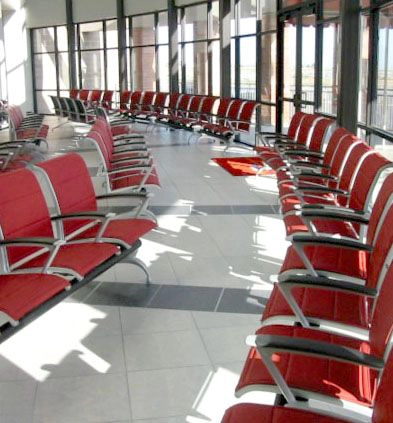
According to industry analysts, the launch of Steelcase’s new line is set to transform the healthcare waiting chair market, bringing the company’s expertise in ergonomic design to a segment that has long been dominated by generic, low-cost products. Over the next five years, analysts predict that the premium healthcare waiting chair segment will grow at an 18.7% CAGR, outpacing the rest of the market by a wide margin.