





Sustainable Seating: The Eco-Friendly Revolution in Public Furniture
As climate change concerns mount, industries across the globe are scrambling to reduce their carbon footprint, and the furniture manufacturing sector is no exception. From corporate lobbies to train stations, the demand for sustainable, eco-friendly seating solutions is skyrocketing. This shift is not just a trend but a necessary evolution in how we furnish our public and private spaces.
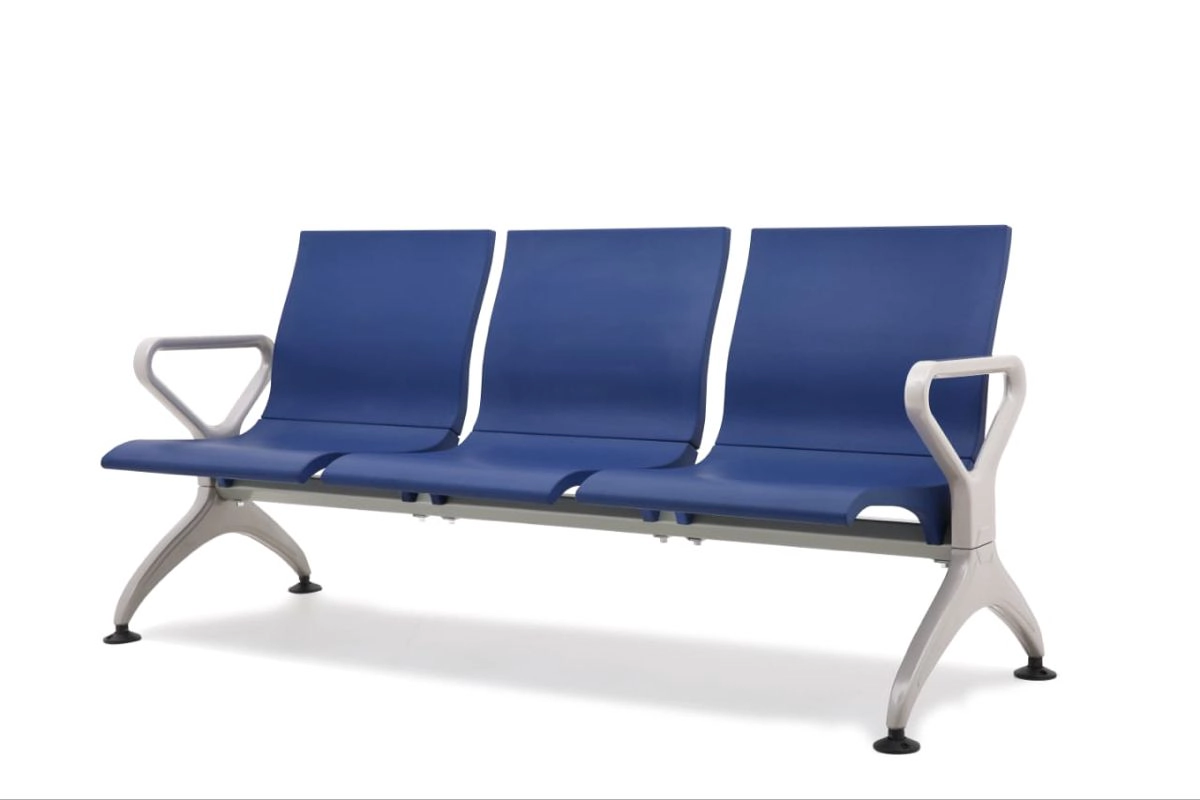
Leading manufacturers are now producing the waiting chair using recycled plastics, reclaimed wood, and bio-based polymers. The aim is to create products that are not only durable enough for high-traffic areas but also kind to the planet. For example, some companies have developed chairs made entirely from ocean-bound plastics, turning a global pollutant into a functional, stylish piece of furniture. This circular economy approach is resonating well with environmentally conscious clients and consumers alike.
The lifecycle of a waiting chair is also being re-evaluated. In the past, furniture was often discarded at the end of its life, ending up in landfills. Today, design-for-disassembly is becoming standard practice. This means that when a chair reaches the end of its service life, its components—metal, plastic, fabric—can be easily separated and recycled. This reduces waste and encourages a more sustainable production model.
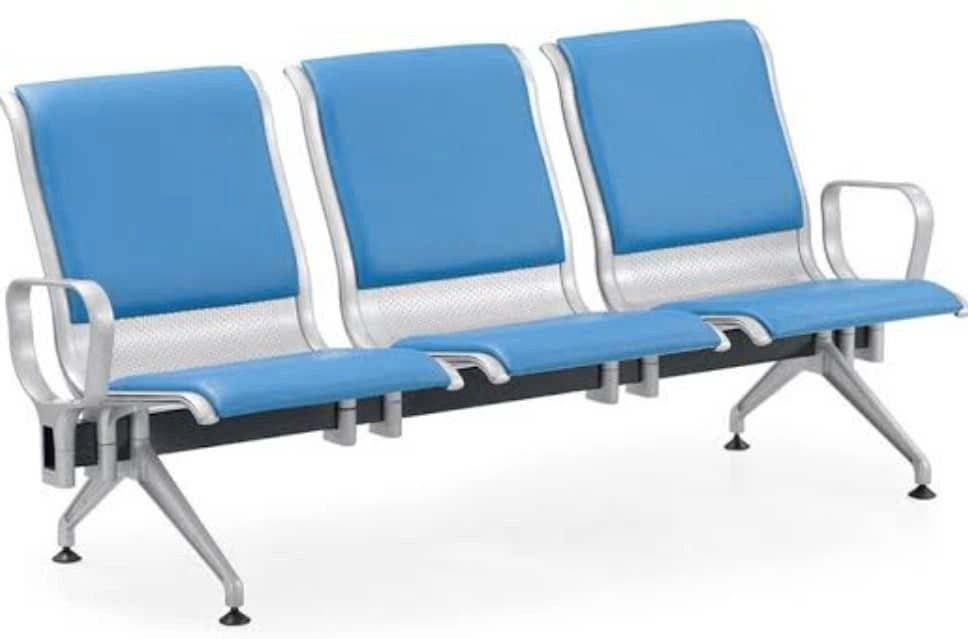
Additionally, the aesthetic of sustainable furniture has matured. Gone are the days when "eco-friendly" meant "unfinished" or "rough." Modern sustainable designs are sleek, colorful, and sophisticated. A visitor sitting in a waiting chair made from recycled materials might not even realize its green origins, seeing only a high-quality, comfortable product. This seamless blend of sustainability and style is proving that we do not have to compromise on design to protect our environment.