





The Anti-Fatigue Stadium Chair: How Seat Cushion Engineering Is Keeping Fans Engaged Longer
Sitting on a hard plastic seat for three hours is physically exhausting. Legs go numb, backs ache, and by the fourth quarter, many fans are just waiting to leave. A new generation of anti-fatigue stadium chairs uses advanced foam and mesh technologies to keep fans comfortable and engaged from kickoff to the final whistle.
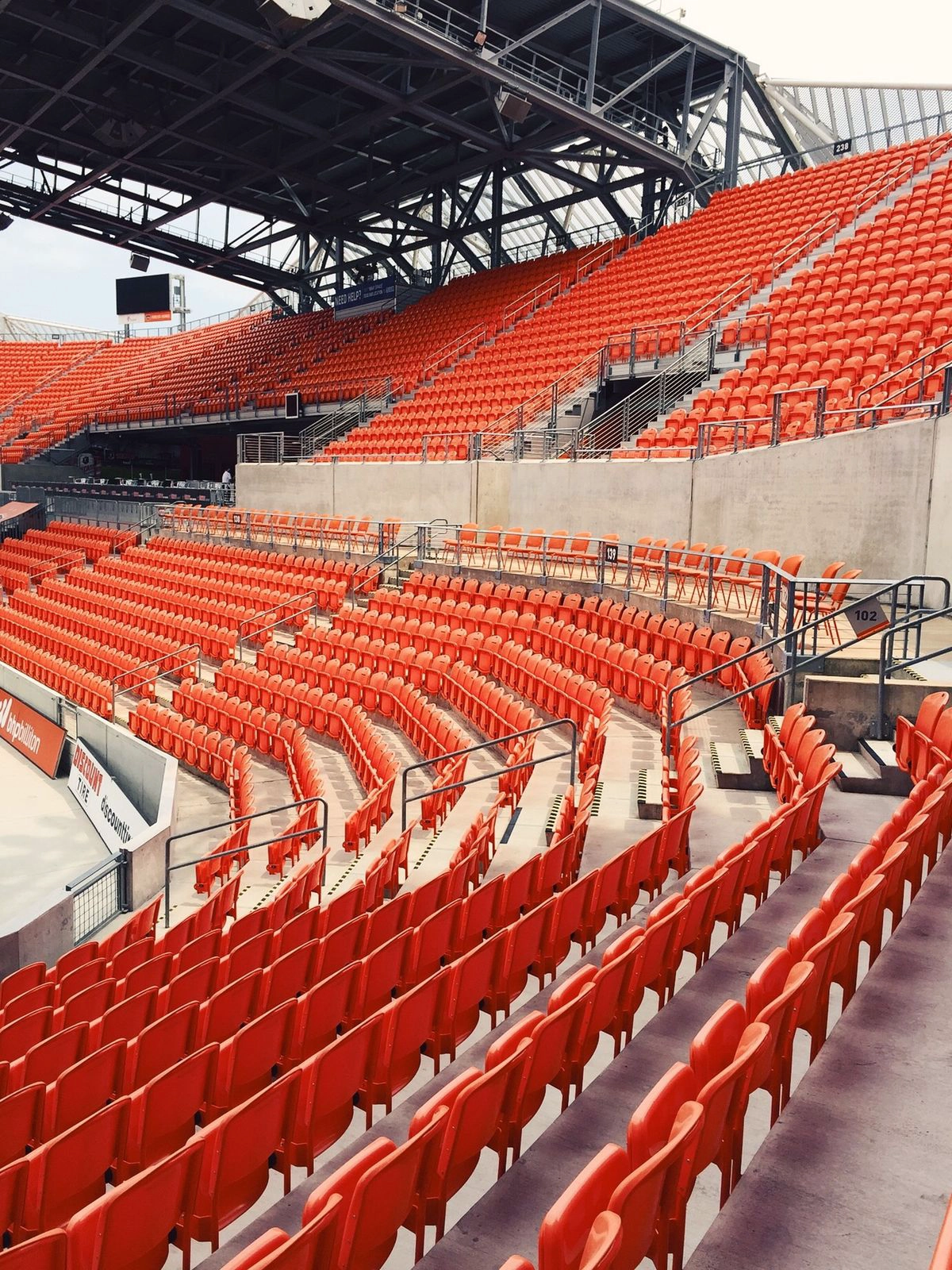
The traditional stadium chair is a molded plastic shell with, at best, a thin layer of foam. This design prioritizes durability and cleanability over comfort, and it has been the industry standard for decades. But a growing body of ergonomic research shows that discomfort directly affects fan behavior. Fans who are physically uncomfortable are less likely to cheer, less likely to stay for the entire event, and less likely to return for future games. The "ComfortSeat" is a stadium chair designed specifically to address this. The seat pan is not a flat surface; it is contoured to distribute pressure evenly across the buttocks and thighs, reducing the "hot spots" that cause numbness. The backrest uses a breathable, tensioned mesh fabric that conforms to the spine's natural curve, providing lumbar support without trapping heat. The entire seating surface is covered in a layer of high-resilience, open-cell polyurethane foam that rebounds fully after every use, maintaining its cushioning over thousands of compression cycles.
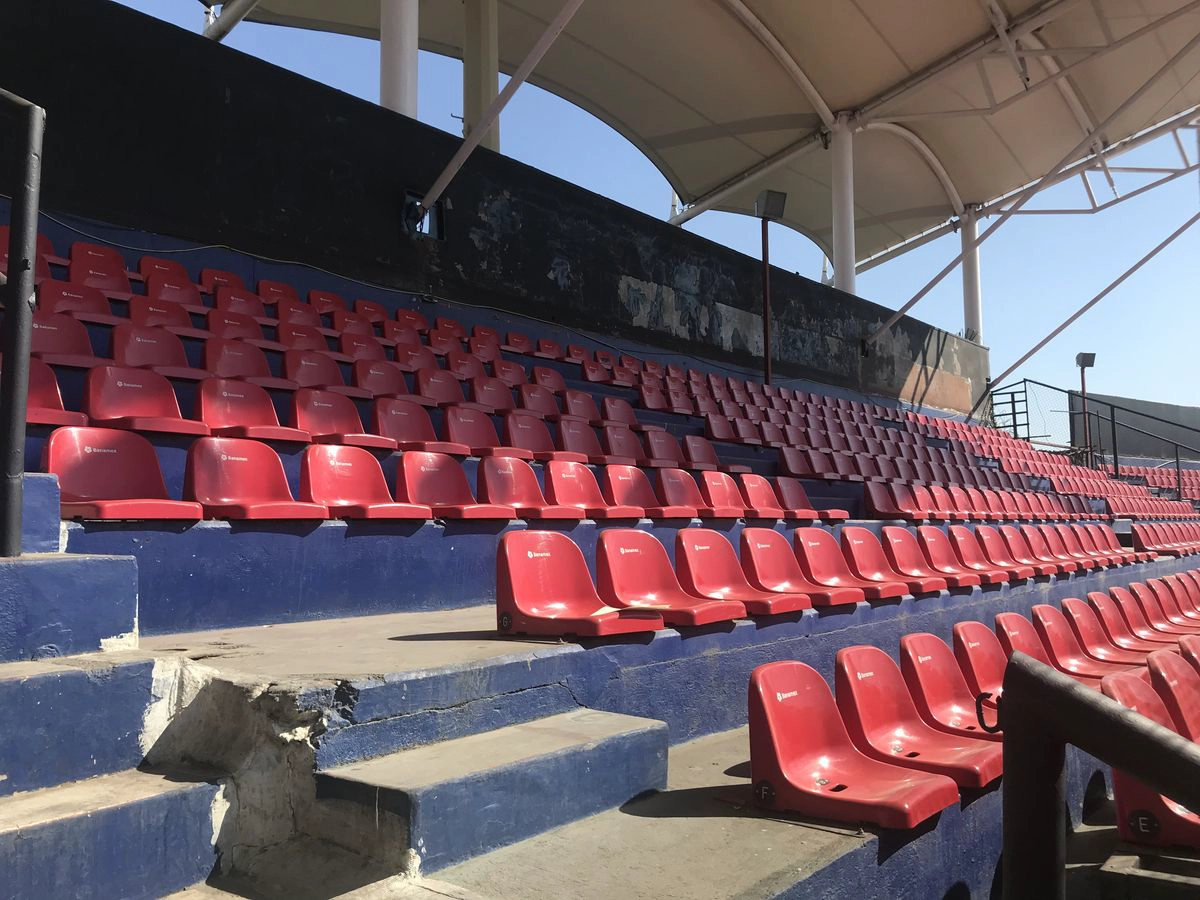
The material choices are critical for outdoor durability. The foam is hydrophobic, meaning it does not absorb water, so the stadium chair dries quickly after a rain and resists mold and mildew. The mesh fabric is solution-dyed, so the color will not fade under constant UV exposure, and it is treated with an antimicrobial coating to prevent odor-causing bacteria from taking hold. The chair is also designed to be quiet: no squeaks or rattles when a fan shifts position, which is a common annoyance with cheaper plastic seats. The anti-fatigue stadium chair is being marketed not as a luxury item, but as a standard upgrade for venues that want to improve the fan experience and differentiate themselves from competitors. A recent survey of fans at a stadium that installed ComfortSeats found a 20% increase in reported satisfaction with the seating, and a significant decrease in complaints about back pain after games.
The business case is clear: comfortable fans stay longer, spend more, and come back more often. A Major League Baseball team that retrofitted its entire lower bowl with anti-fatigue stadium chairs saw a measurable increase in late-inning concession sales, as fans were no longer rushing to the exits to relieve their aching backs. The investment in comfort pays off in loyalty, and the anti-fatigue stadium chair is a concrete, visible demonstration that the team values its fans' well-being. The days of the plastic bleacher that doubles as an instrument of torture are numbered. Comfort is no longer a luxury; it is an expectation, and the stadium chair industry is responding.