






The Anti-Seismic Stadium Chair: Engineering for Earthquake-Resistant Venues
In earthquake-prone regions like Japan, California, and Turkey, a stadium is not just a place to watch a game; it is a potential refuge. The chairs installed in these venues must be designed to survive a major seismic event without becoming deadly projectiles. The anti-seismic stadium chair is a critical piece of life-safety infrastructure.
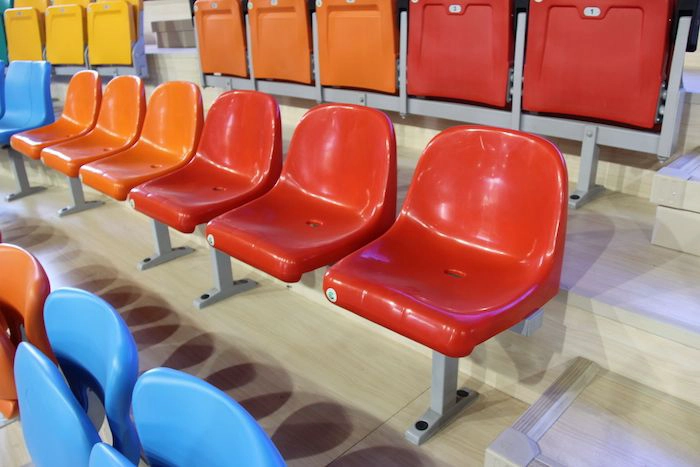
When an earthquake strikes a stadium, the primary structural concern is the building itself. But the secondary hazards — falling light fixtures, shattered glass, and, critically, dislodged seating — can cause catastrophic injuries during an evacuation. The anti-seismic stadium chair is engineered with this in mind. The seat is attached to the concrete step using a flexible, energy-absorbing mounting system that allows the chair to flex and sway with the building's motion, rather than snapping off. The frame is constructed from a ductile steel alloy that can deform under stress without fracturing, and the seat shell is made from a high-impact polymer that will not shatter into sharp fragments. The entire stadium chair is designed to remain attached, intact, and non-lethal even during a violent ground motion.
The engineering standards for these chairs go far beyond typical furniture codes. Manufacturers in Japan, where seismic requirements are the most stringent in the world, test their anti-seismic stadium chairs on full-scale shake tables that simulate the exact ground motions of historic earthquakes. The chairs are bolted to concrete blocks and subjected to accelerations of up to 1.5 g — a level that would turn most conventional furniture into missiles. The mounting system includes a sacrificial energy-dissipating element that absorbs the shock and can be easily replaced after a seismic event, allowing the stadium chair to be quickly recertified for continued use. The seat pan and backrest are also designed to provide a secure handhold for fans who may need to brace themselves during tremors.
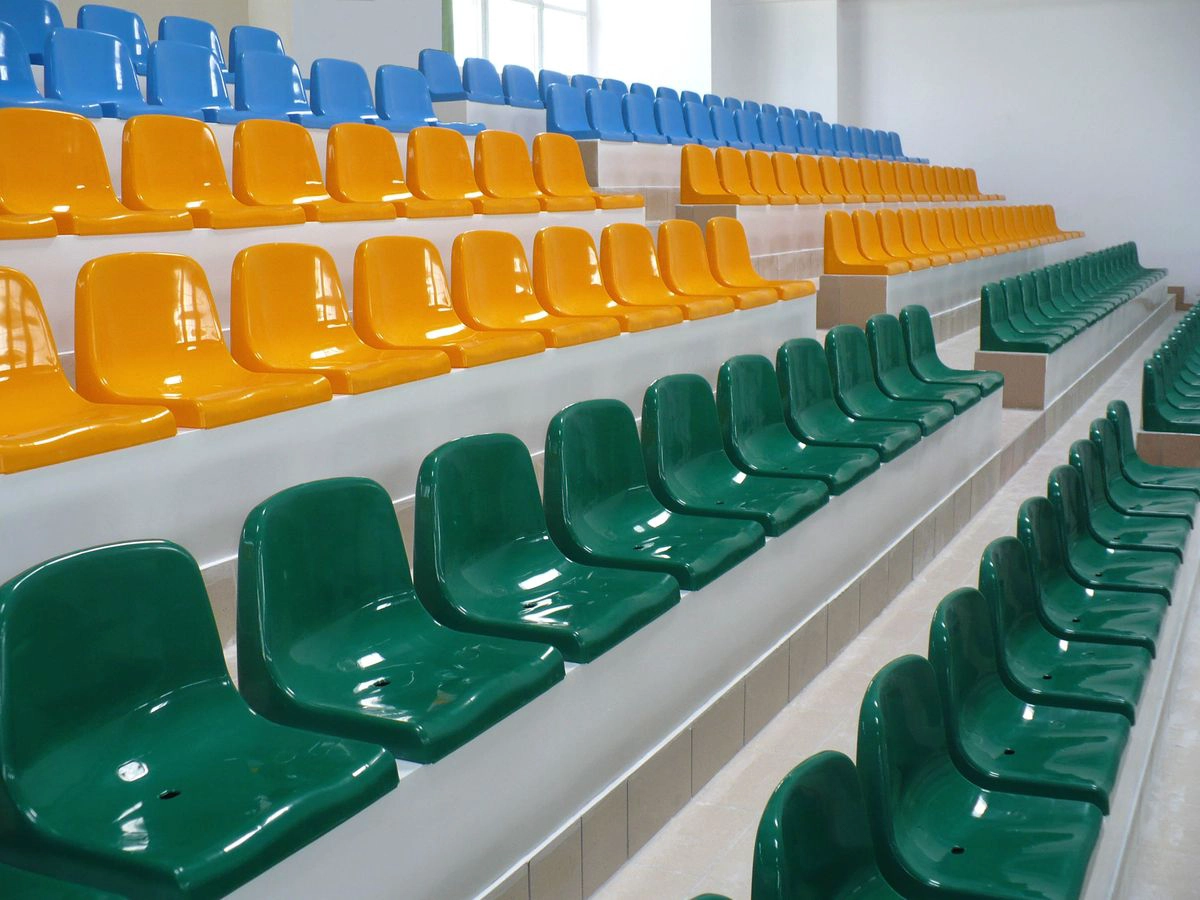
In regions where earthquakes are a constant threat, the anti-seismic stadium chair is mandated by building codes for any new large-venue construction. But the concept is also spreading to other areas: a stadium in Oklahoma, which has seen a rise in induced seismicity from oil and gas activities, recently specified anti-seismic seating as a precaution. The additional cost is modest compared to the total stadium budget, and the peace of mind is invaluable. In a major seismic event, a stadium may become a temporary shelter for displaced residents, and the integrity of its seating is a matter of public safety. The anti-seismic stadium chair is a powerful reminder that good design is not just about comfort and aesthetics; it is about protecting human life in the worst possible moments.