





The Flexible Training Chair: How a Single Chair Adapts to Tables, Tablets, and Total Reconfigurations
The modern training room must be a chameleon, shifting from lecture mode to collaborative pods in moments. This demands a training chair that doesn't just move, but physically morphs its functionality—transforming its arm into a desk, a tablet stand, or a coat hook as needed.
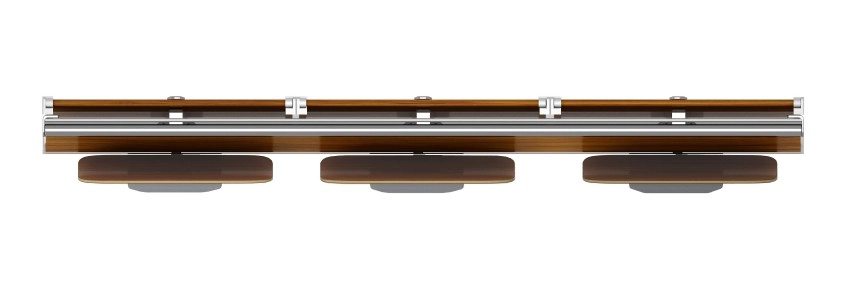
Multi-functionality is the single most requested feature by facilities managers. The days of the fixed, right-handed writing tablet are over. The newest design from a leading contract brand features a “transformer” armrest. The top of the armrest flips open to reveal a solid bamboo writing surface large enough for a 15-inch laptop, yet folds away flush when not needed. But the real innovation lies beneath the seat. A secondary, smaller tablet arm can be swung out from the left side, turning the training chair into a dual-surface workstation ideal for hybrid note-taking with a paper notebook and a digital device simultaneously. This dual-tablet design ensures the chair serves both left-handed and right-handed users equally, eradicating the awkward problem of a left-hander being forced to write on their right-sided chair.
The flexibility extends to the undercarriage. This training chair is mounted on a five-star caster base for easy glide, but the casters have a "sit-to-lock" feature. When a user’s weight is on the chair, the wheels brake firmly to prevent rolling, creating the stability of a fixed-leg training chair. When the user stands up, the chair glides freely for quick room reconfiguration. It is a brilliant synthesis of mobility and safety, preventing the “drifting” that often plagues wheeled seating during active note-taking. The backrest has also been reimagined: it’s a minimal, flexible plastic exoskeleton with a mesh covering, allowing it to twist 10 degrees laterally. This subtle "torque" movement permits the occupant to turn and face a neighbor for a breakout discussion without the loud scraping of chair legs across the floor. The training chair effectively facilitates the "think-pair-share" pedagogy silently.
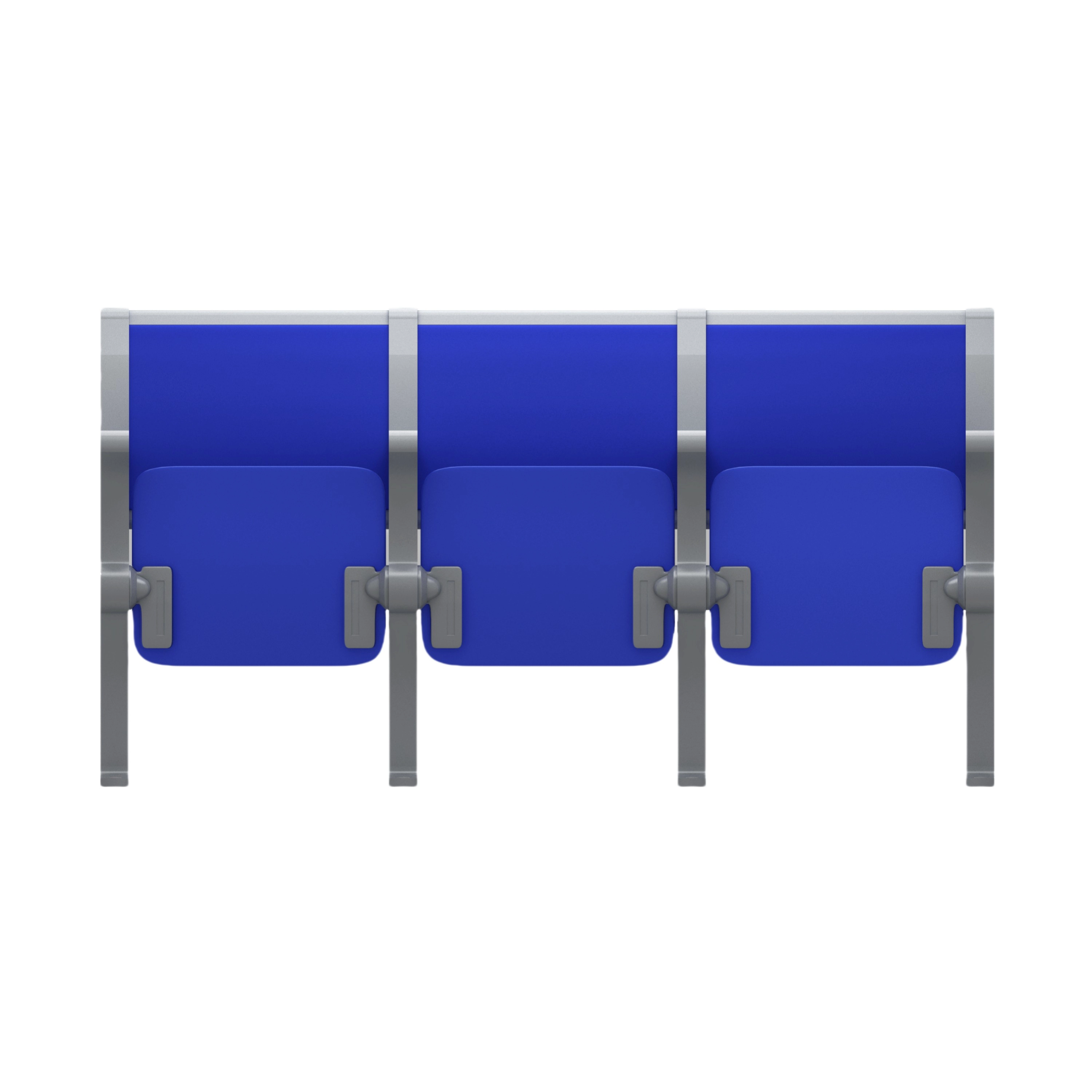
Stacking was a major engineering hurdle for a chair with so many moving parts and a caster base. The solution is a patented "porcupine" nesting sled. The casters lock into grooves on the seat back of the adjacent chair, while the armrest folds down to a narrow vertical plane. A row of ten of these fully-loaded training chairs can be nested into a footprint only slightly larger than a single chair, and they can be rolled away on the linked caster train. This level of instant transformability empowers trainers to dynamically modify the room layout during a session based on the activity. It represents the ultimate dematerialization of the training chair: it’s not just a place to sit; it’s a portable, configurable, personal micro-environment that disappears the moment its job is done.