






The Lightweight Carbon Fiber Stadium Chair: A Feat of Engineering for Ultra-Modern Venues
Sports architecture is pushing the boundaries of physics, with cantilevered upper decks and floating roof structures that defy gravity. The last thing a cutting-edge stadium needs is a heavy, clunky chair. Enter the carbon fiber stadium chair, a featherweight marvel that weighs less than a bag of groceries but supports a 400-pound lineman.
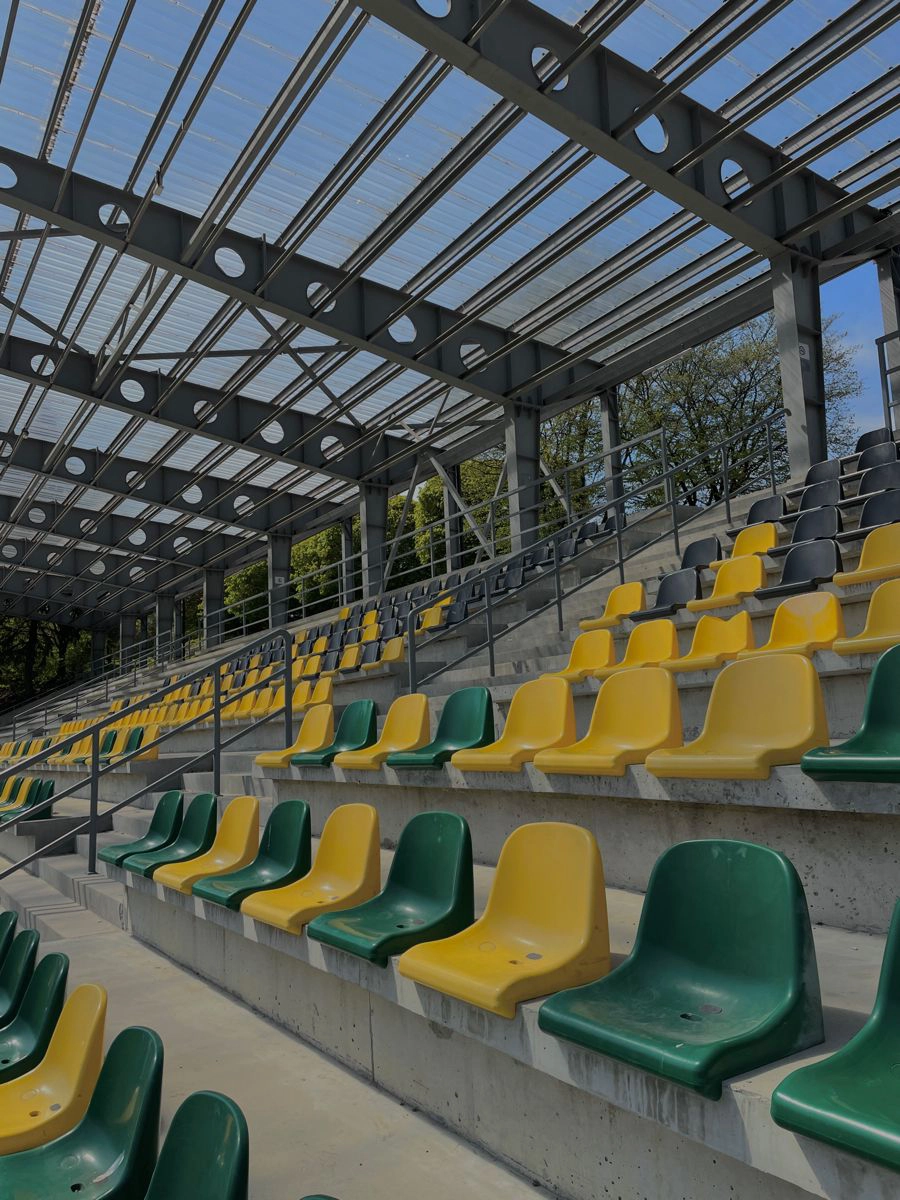
The weight of seating is a critical factor in stadium design. A single steel-framed plastic chair might weigh 15 pounds; multiply that by 60,000 seats, and the total load on the structure is enormous. Reducing that weight allows architects to design more daring, slender structures and saves millions in concrete and steel costs. The "AeroSeat" is a stadium chair constructed primarily from carbon fiber reinforced polymer (CFRP), the same material used in Formula 1 racing cars and aerospace components. The shell and frame are molded as a single, unified form, eliminating the metal-to-plastic connection points where failures often occur. The entire stadium chair weighs just 6.5 pounds, yet it has been tested to withstand a static load of 1,200 pounds and a dynamic impact far exceeding industry standards. The material's inherent vibration-dampening properties also make the seat feel incredibly solid and quiet.
The aesthetic of the carbon fiber stadium chair is unmistakably high-tech. The visible weave of the carbon fiber is left exposed under a clear matte UV-protective coating, giving the seat a striking, futuristic appearance. The material is available in a range of tinted resins, allowing teams to incorporate their colors without painting over the carbon texture. The chair is also remarkably thin, with a profile of just 4 inches, which increases the clear passage space between rows — a critical factor in meeting modern safety egress requirements. The thin profile also improves the sightlines for fans seated behind, as the bulky headrests of traditional chairs are eliminated.
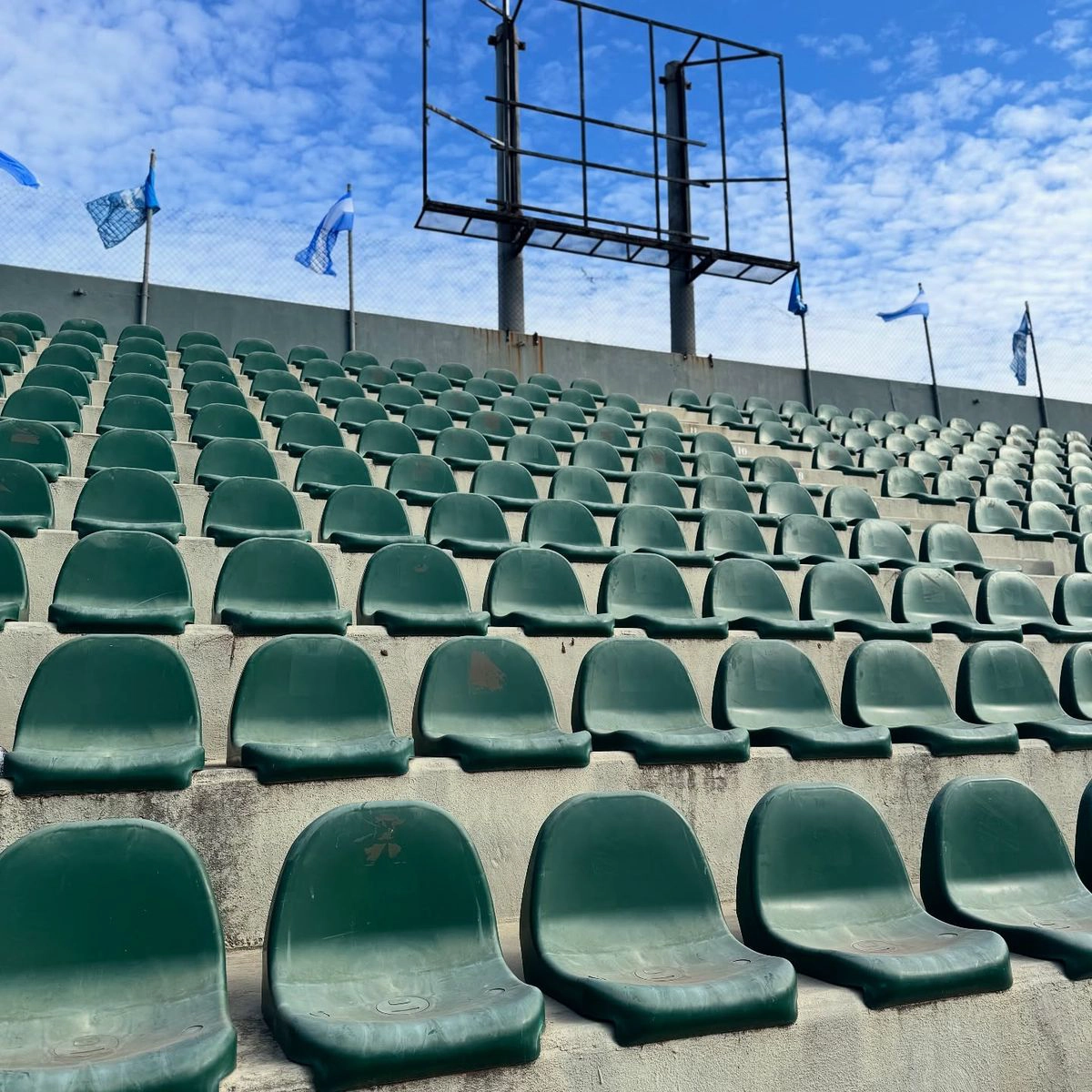
The cost of the carbon fiber stadium chair is currently three to five times that of a standard plastic seat, which limits its adoption to flagship venues and premium sections. However, the long-term economics are favorable. Carbon fiber is immune to rust and corrosion, and it does not degrade under UV exposure or temperature extremes. The chair is expected to have a service life of 50 years or more, easily outlasting two generations of conventional seating. The lightweight design also reduces the labor and equipment needed for installation, as a single worker can carry two chairs at a time. As manufacturing processes for carbon fiber become more automated and less expensive, the lightweight stadium chair is poised to move from a niche luxury into the mainstream, enabling the next generation of architectural experimentation in sports venue design.