





The One-Room Global Classroom: A Solar-Powered, Satellite-Linked School Desk and Chair
In the most remote villages of sub-Saharan Africa and the Amazon basin, there is no electricity grid, no internet cable, and often no trained teacher. A self-contained, solar-powered school desk and chair, loaded with a satellite-linked tablet and adaptive AI curriculum, is bringing a world-class education to children who have never seen a textbook.
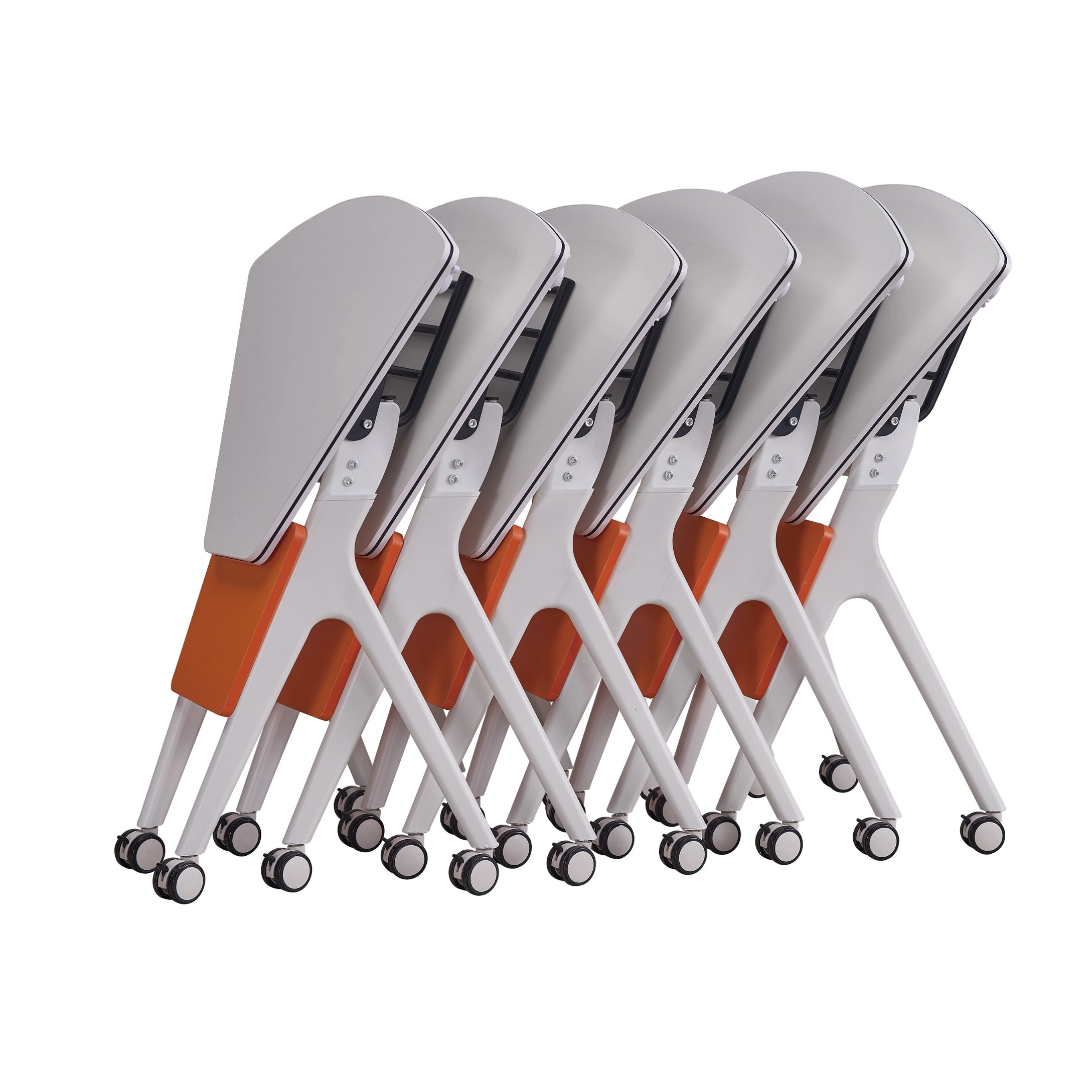
Educational technology efforts in low-infrastructure regions have often stumbled because the device — a laptop or tablet — exists in a vacuum, without a conducive physical environment. Children sit on dirt floors, straining their necks and squinting at screens that quickly run out of battery. The "SolarLearn" station, designed by a humanitarian tech lab in collaboration with rural communities in Kenya and Peru, is an integrated school desk and chair that functions as a self-sufficient learning hub. The desk canopy is a high-efficiency photovoltaic panel that charges an internal battery pack capable of powering a ruggedized, locked-down tablet for a full week of classes, plus a USB port for community phone charging as an incentive for the village to protect the unit. A low-earth-orbit satellite antenna is built into the backrest, providing a thin-client internet connection even in areas with zero cellular coverage.
The ergonomics of this unique school desk and chair were developed through extensive field testing. The seat height and desk slope are fixed but based on the median anthropometry of the target age range in the region, and the unit is constructed from UV-stabilized, rotomolded polyethylene that can withstand extreme sun, monsoon rains, and termite infestation. It weighs eighty pounds — heavy enough to resist theft, but light enough to be moved by two adults if a village relocates. The tablet is secured in a recessed, waterproof, lockable dock with a scratch-resistant screen. The curriculum software uses an adaptive AI that operates effectively offline, syncing student progress via the satellite link during scheduled bursts. This school desk and chair essentially becomes a one-child schoolhouse, capable of delivering literacy and numeracy instruction to a child with no prior formal education.
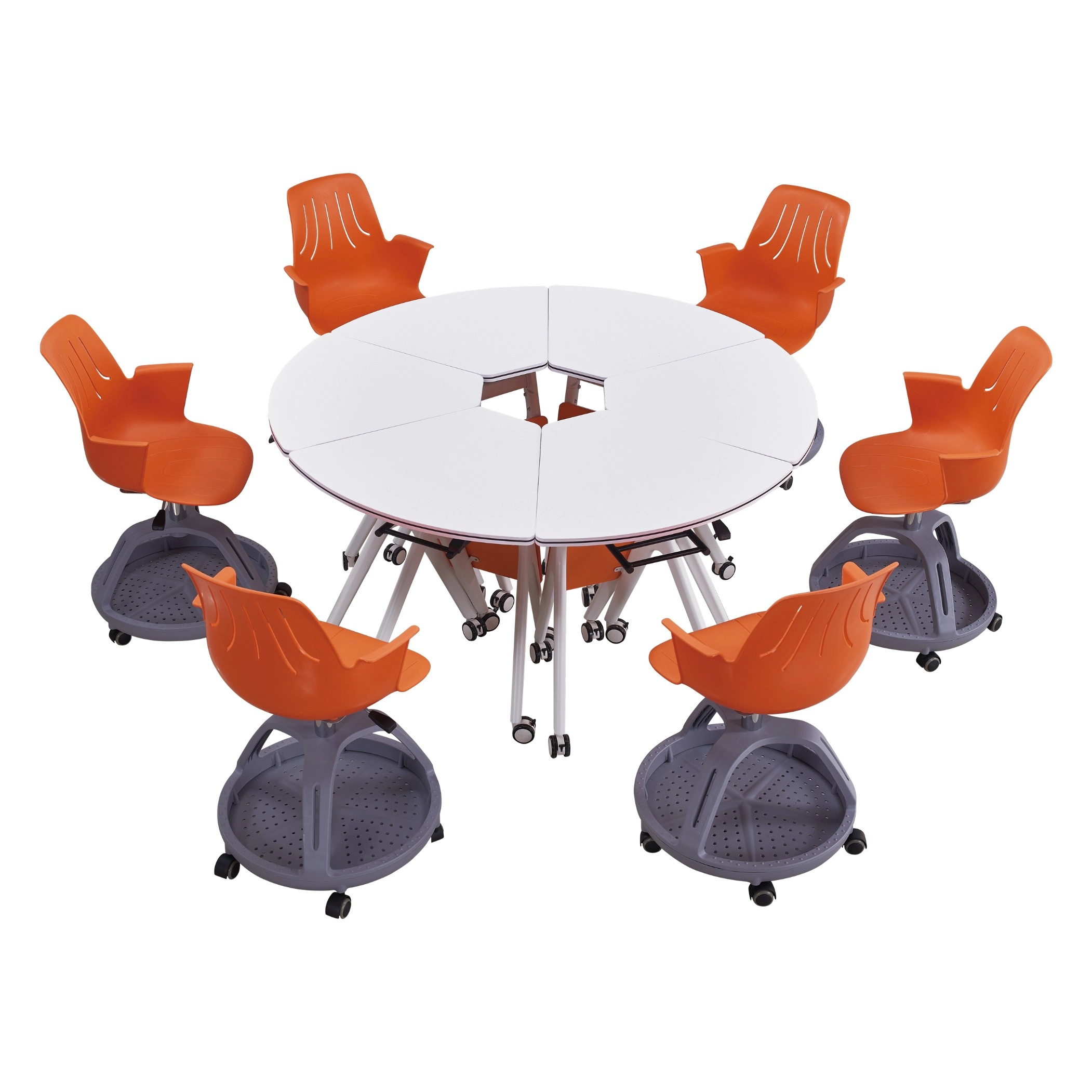
The impact data from early deployments is extraordinary. In pastoralist communities where children traditionally follow the livestock migration and cannot attend a fixed-location school, the SolarLearn school desk and chair has been deployed as a portable classroom. The village elder or a literate older sibling acts as a "learning guide," while the AI delivers instruction and assessment. Literacy rates in pilot cohorts have reached levels comparable to low-resource government schools after six months of use. The device is not intended to replace human teachers permanently, but to serve as a bridge until a community can be connected to a formal education system. The project is a testament to the principle that a school desk and chair is more than furniture — it is a defined, delimited space of focused learning. Even when that space is under a thorn tree, the physical presence of a dedicated, purpose-built learning station signals to the child: you are a student now, and this is your place of work.