
The VR-Enhanced Stadium Chair: Bringing the Pitchside Experience to the Nosebleeds
The best seats in a stadium are always at pitchside, where you can see the sweat on the players' faces and hear the crunch of a tackle. A new VR-enhanced stadium chair is bringing that pitchside experience to fans in the cheapest seats, using augmented reality overlays and haptic feedback to close the distance.
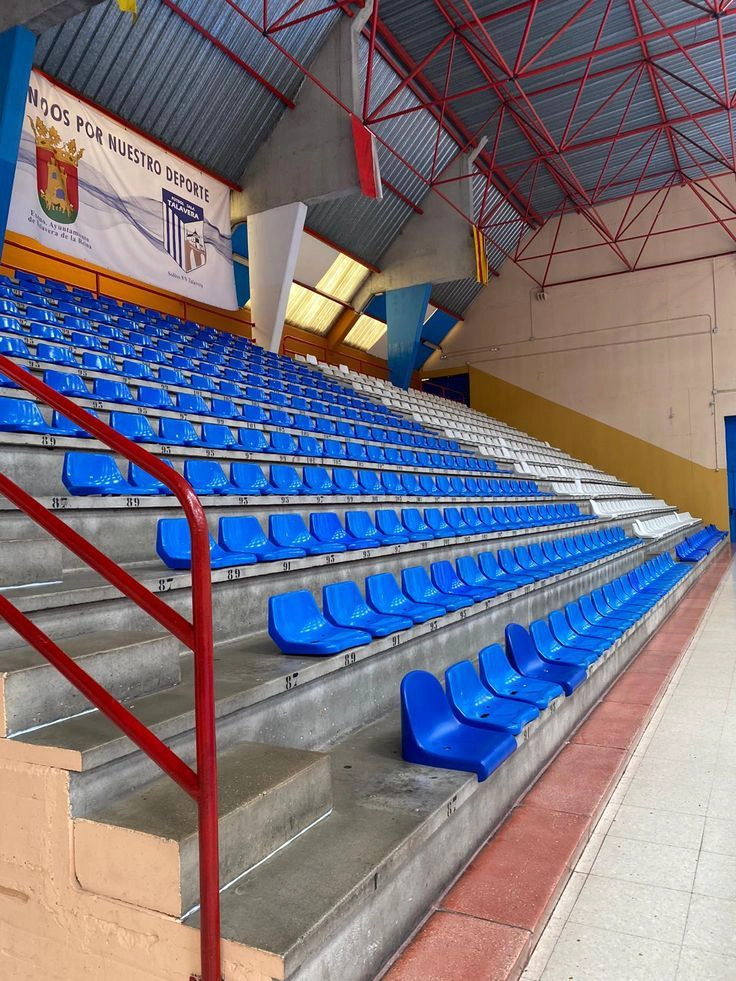
The difference between a premium and a budget seat in a stadium is often just a few dozen meters of distance, but that distance changes the entire experience. Fans in the upper deck watch the game through a haze of atmospheric distortion, missing the subtle details that make the sport compelling. The "ARSeat" is a stadium chair with a built-in, fold-down augmented reality visor. When the fan puts on the visor, they see the live game in front of them, but overlaid with a real-time digital layer: player names and stats floating above the players, a live replay window, and a zoomed-in inset view that follows the ball. The visor is not a full VR headset; it is a lightweight, transparent display that allows the fan to look away and still see the physical world. The stadium chair also includes haptic actuators that vibrate in sync with key moments, such as a goal or a big hit.
The technology is designed to be intuitive and non-distracting. The AR visor can be folded down when the fan wants the enhanced experience, and folded back up into the headrest of the stadium chair when they want to watch the game naturally. The display is powered by a small computer embedded in the seat, which connects to the stadium's local 5G network to receive the low-latency data stream. The system is designed for shared use: because it is built into the seat, fans do not have to bring their own devices or worry about compatibility. The haptic feedback is carefully calibrated so that it enhances the excitement without becoming annoying. The goal is not to replace the live experience, but to augment it, making the upper deck feel like a premium seat.
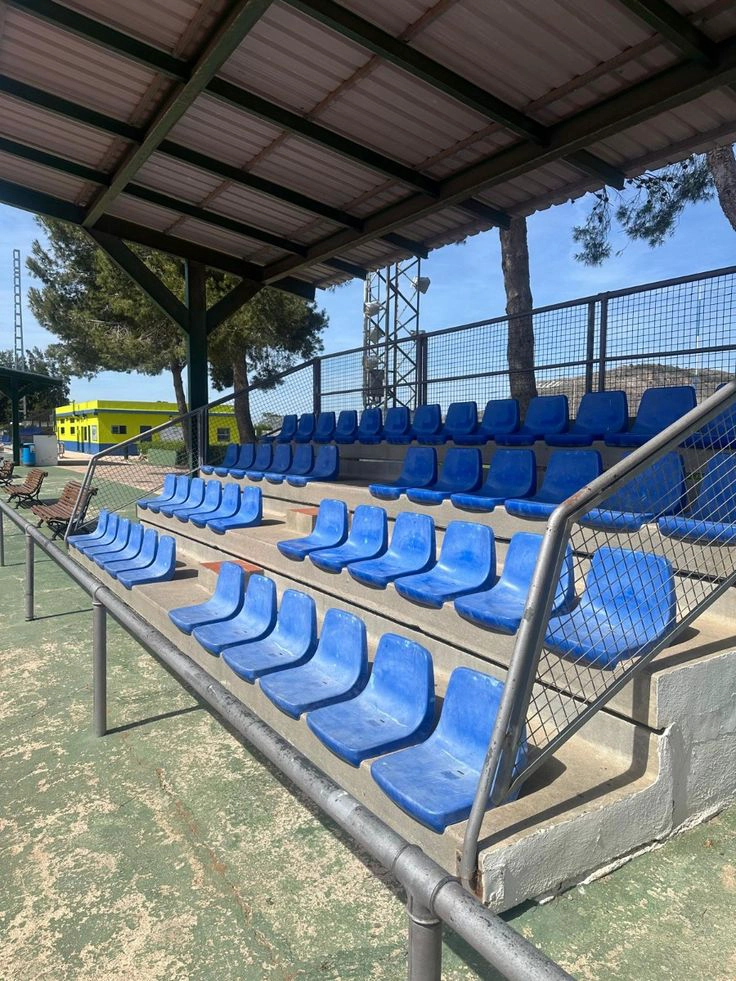
The ARSeat is currently in prototype testing at a few tech-forward venues, and the early fan feedback is positive. Fans appreciate the ability to see instant replays and detailed stats without having to look down at their phones, which breaks the immersion. The stadium chair becomes a portal to a richer, more informative version of the game, tailored to the individual fan's interests. The potential sponsorship opportunities are enormous: the AR overlay can include interactive advertising, personalized promotions, and even virtual merchandise. The VR-enhanced stadium chair is a glimpse of a future where the physical seat is just the anchor for a digital experience that extends far beyond the stadium walls.