





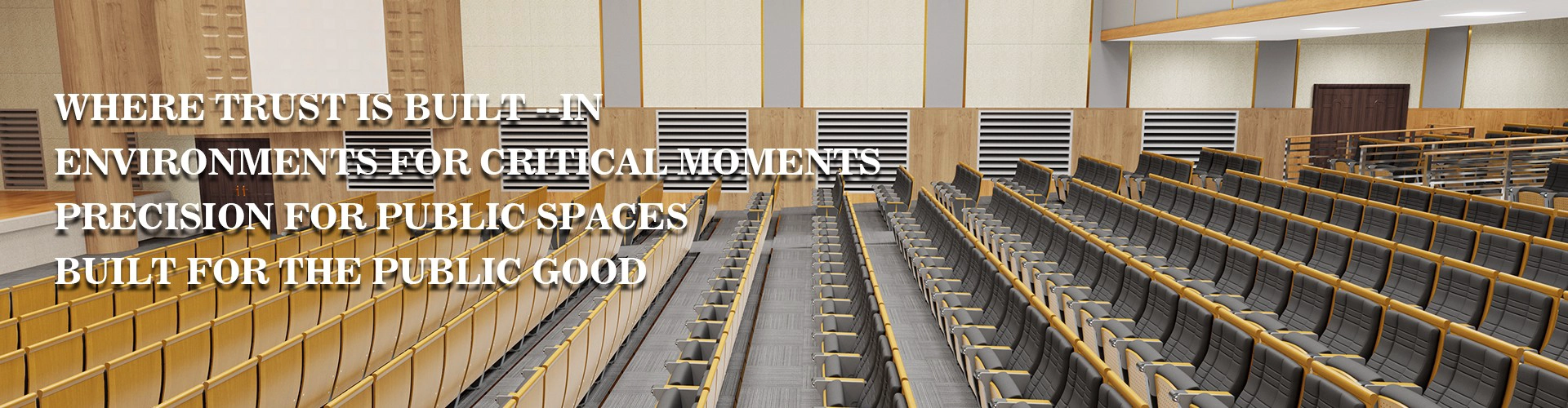
Asia-Pacific Leads Global Growth in Auditorium Seats Market, Report Finds
*A new industry analysis projects that the global market for auditorium seats will surge past $8.2 billion by 2030, with the Asia-Pacific region driving unprecedented demand on the back of a historic venue-building boom.*
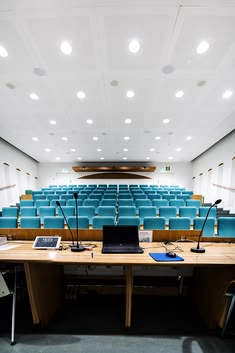
The comprehensive report, published by Frost & Sullivan, tracks spending across theaters, cinemas, lecture halls, and convention centers. While North America and Europe remain high-value markets driven primarily by refurbishment and premiumization, the center of gravity in terms of unit volume has decisively shifted eastward. China alone is forecast to account for 34% of all new auditorium seats installed globally over the next six years, fueled by an aggressive cultural infrastructure program that aims to build over 2,000 new performing arts venues. India follows closely, with its multiplex cinema expansion in tier-2 and tier-3 cities creating sustained demand for robust, cost-effective auditorium seats that can withstand tropical humidity and high usage.
The report segments the auditorium seats market into three tiers: economy, standard, and premium-luxury. Interestingly, the “standard” category — chairs with contoured foam, sturdy steel frames, and contract-grade fabric — is experiencing the fastest growth, as mass-market developers seek a balance between durability and a luxurious look without crossing into the costly motorized recliner territory favored in Western VIP cinemas. Southeast Asian procurement officers are particularly focused on rapid installation and low maintenance; they are gravitating toward modular seating systems that arrive palletized and clip together without welding, slashing onsite labor costs. The capability to locally assemble or even partially manufacture auditorium seats under license has become a key differentiator for global suppliers seeking to win tenders in Indonesia, Vietnam, and the Philippines.
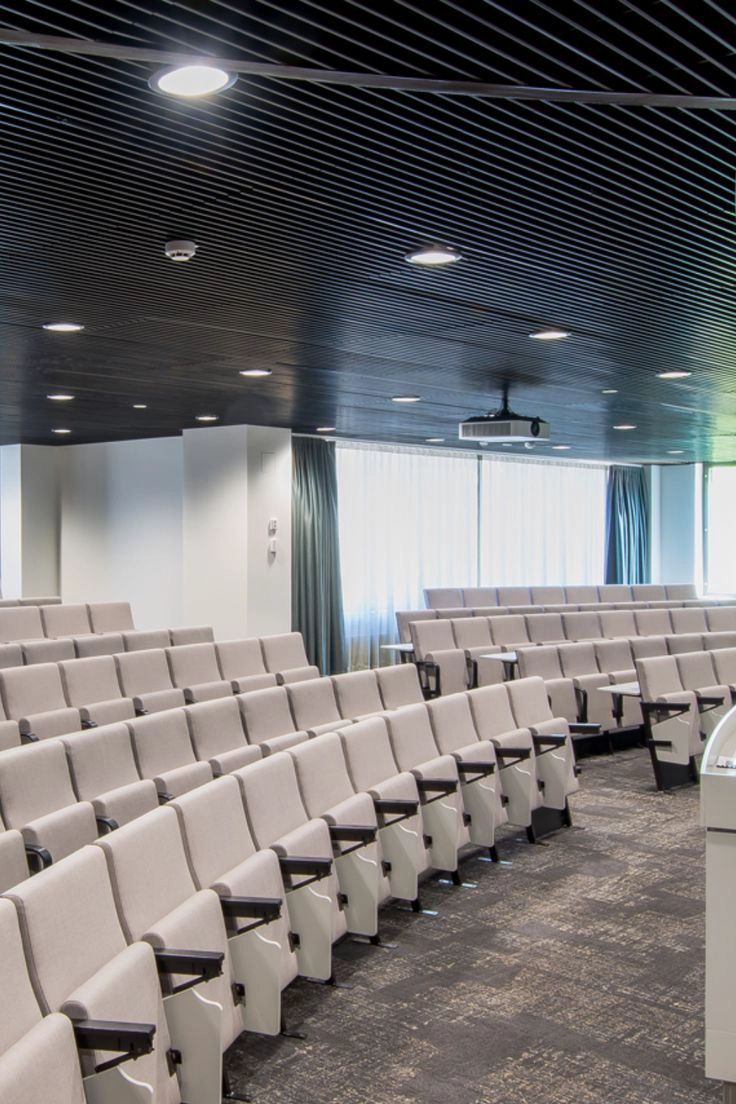
Supply chain resilience is another theme flagged in the analysis. The disruptions of recent years convinced many Asian conglomerates to diversify their sourcing away from a single European hub. This has given rise to regional manufacturing partnerships, with several European brands establishing joint-venture factories in Malaysia and Thailand to produce auditorium seats tailored to local body dimensions and climatic demands. The report concludes that the sector faces a talent shortfall in professional seating specifiers; architects increasingly need specialized consultants who understand sightline studies, acoustic seat properties, and life-cycle costing. As the Asia-Pacific region writes the next chapter in auditorium design, the humble auditorium seat is finally being recognized as a complex piece of engineering that directly impacts a venue’s artistic and financial success.