






Inclusive Design: Award-Winning Auditorium Seats for People with Disabilities Redefine Accessibility
For too long, accessible seating has been an afterthought, often relegating wheelchair users to inferior sightlines at the back of the hall. A new wave of inclusive auditorium seats is changing the narrative — and winning prestigious design accolades in the process.
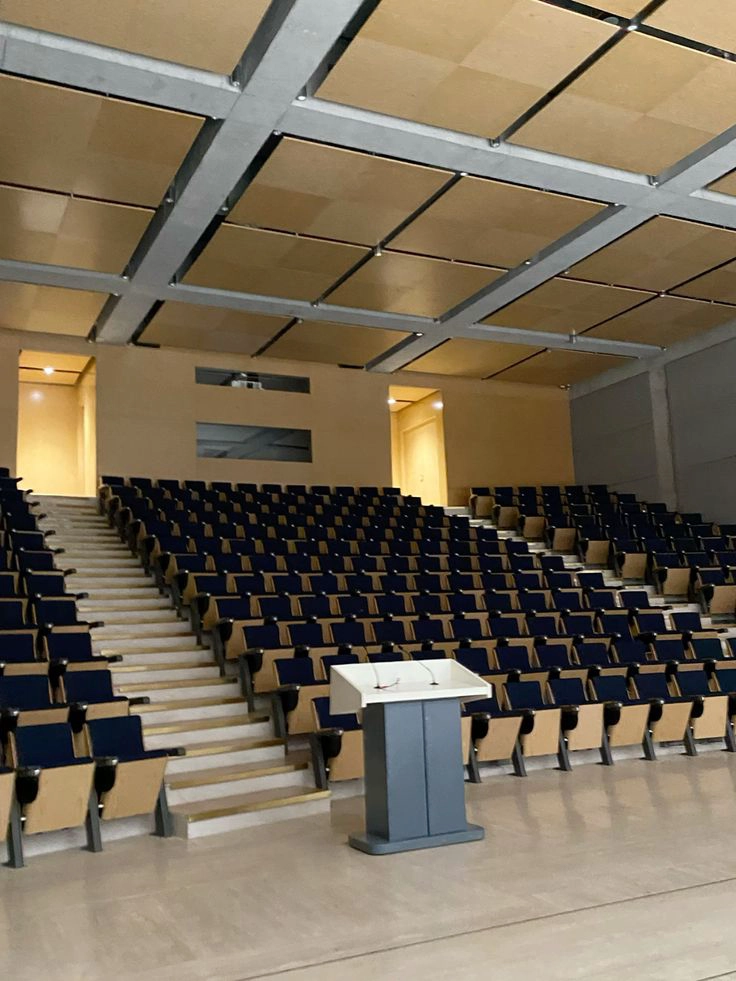
The core principle of universal design is that adaptations for people with disabilities should benefit all users. This philosophy is now materializing in groundbreaking auditorium seats that eliminate the distinction between “standard” and “accessible” chairs. The German Design Award recently honored a modular seating system in which every armrest can be folded away or detached without tools, transforming any chair in the row into a transfer-friendly space. Integrated, height-adjustable transfer bars slide out silently from beneath the seat pan, providing a stable support for a patron moving from a wheelchair. The seat cushion itself is split longitudinally, allowing one half to be removed to reduce height disparity during lateral transfers. These innovations mean that wheelchair users are no longer confined to a segregated platform; they can sit anywhere in the auditorium with their companions, choosing the exact sightline they prefer.
Visual and auditory accessibility features are also being embedded directly into the chair. Navigational haptic buzzers in the armrests can guide visually impaired patrons to their assigned row via a discreet vibrating pulse, synced to a smartphone app. Induction loop receivers built into a dedicated headrest zone stream sound directly to hearing aids, transforming certain auditorium seats into personalized hearing enhancement pods without the venue needing to loop the entire space. For neurodiverse audience members, the same smart seat can offer a “sensory calming” mode, emitting a barely perceptible, low-frequency warmth that reduces anxiety. These technologies are packaged within the aesthetic of a premium lounge chair, ensuring that using an accessible feature does not make the patron feel conspicuous.
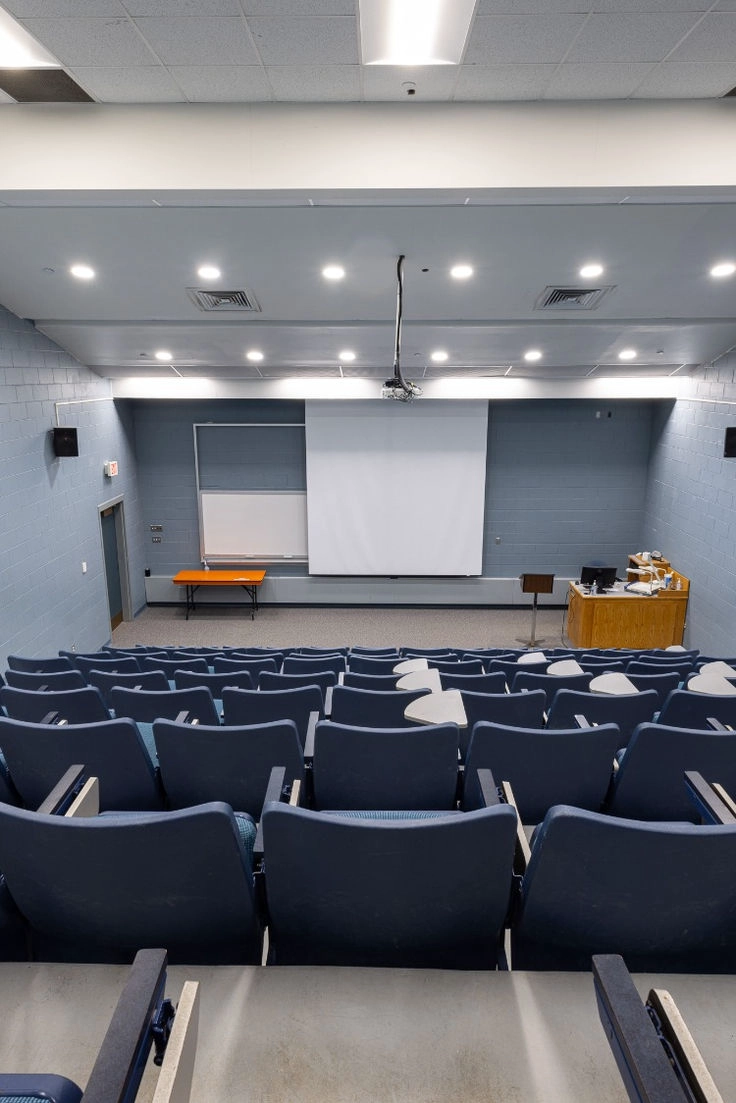
Regulation is finally catching up with innovation. The updated Americans with Disabilities Act guidelines and the EU Accessibility Act are pushing venue owners to go beyond minimum compliance, mandating that accessible auditorium seats must offer lines of sight over standing spectators comparable to those for the general public. Fixed wheelchair spaces without choices are increasingly viewed as discriminatory. Consequently, specifiers are ordering entire rows of these adaptable auditorium seats, which maintain the venue’s visual unity while offering the flexibility to reconfigure the accessible provision for each production. A London concert hall recently demonstrated that a single row of inclusive seats could transition from accommodating two wheelchair users with companion seats for a classical recital to eight wheelchair spaces with no companions for a disabled-led contemporary dance showcase, all within fifteen minutes. The market is proving that the most elegant auditorium seats are those that welcome everyone without distinction.