






Bio-Based Stadium Seats Cut Carbon Emissions By 40%, As Sustainable Materials Go Mainstream
Plant-based stadium seats? It sounds like science fiction, but it's the latest innovation in sustainable seating, as manufacturers develop bio-based composite materials that can replace traditional plastic, cutting carbon emissions by up to 40%, while still being just as durable and high-performance as traditional seats. It's part of a bigger shift toward sustainable materials, as venues and manufacturers look for ways to cut their carbon footprint, and meet their net zero goals.
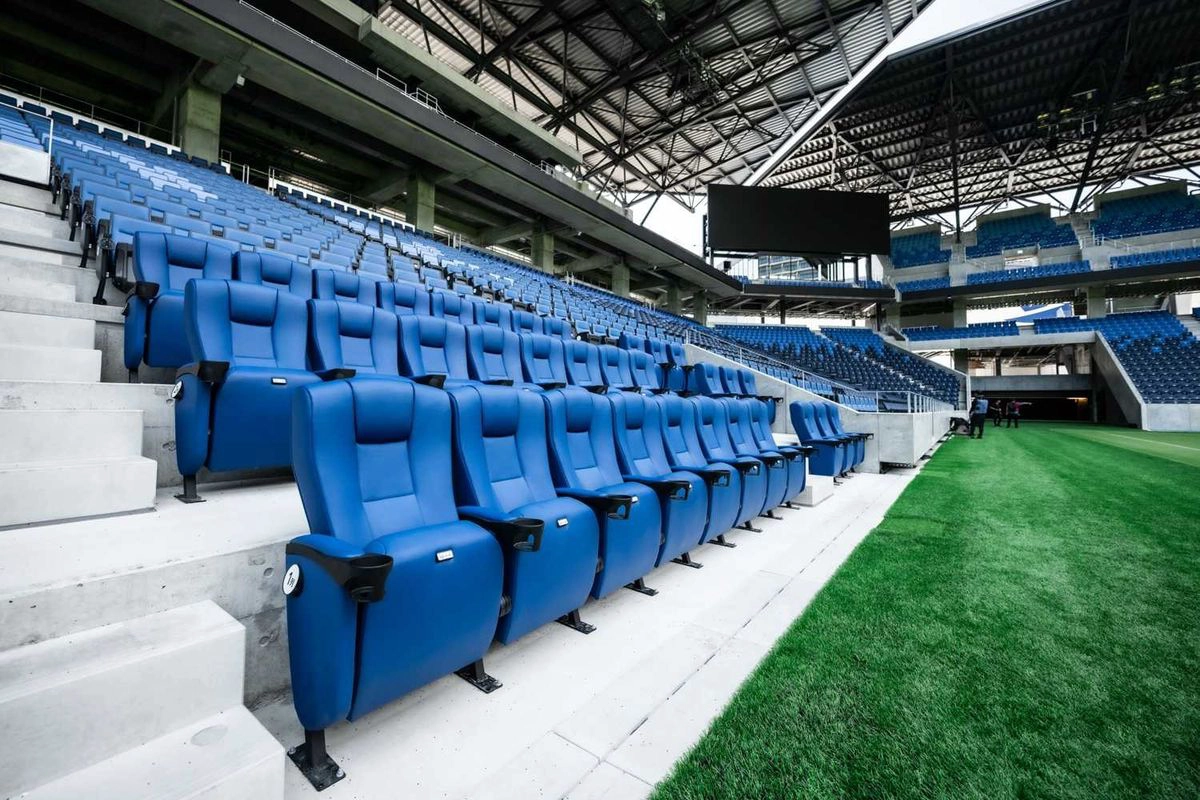
Traditional stadium seats are made from virgin plastic, which is made from oil, and has a huge carbon footprint. It takes a lot of energy to produce the plastic, and when the seat is thrown away, it can take hundreds of years to decompose, ending up in a landfill. But bio-based seats are made from plant materials, like bamboo fiber, hemp, or corn starch, which are renewable, and can decompose naturally, at the end of their life.
The best part? These bio-based materials are just as strong and durable as traditional plastic. They can withstand heavy use, extreme weather, UV exposure, and all the other things that stadium seats have to deal with. They pass all the same safety and durability tests, so they meet international standards, just like traditional seats. And they look and feel the same, too—fans can't even tell the difference, between a bio-based seat and a traditional plastic one.
One of the first companies to launch these seats was Minoru Kasei Co., a Japanese manufacturer, who developed a bamboo fiber seat for the Tokyo Olympics. The seats had 40% lower carbon emissions than traditional plastic seats, because bamboo is a fast-growing, renewable resource, that absorbs carbon dioxide as it grows. The seats were a huge hit, and they proved that bio-based materials could work for stadiums, even in a big international event like the Olympics.
Since then, more and more manufacturers have started developing bio-based seats. European manufacturer Yücel Garden Furniture developed a bio-based seat that has 30% plant fiber, and it got the EU Ecolabel certification, which means it meets the highest environmental standards. Chinese manufacturers are also developing bio-based seats, using rice straw and other agricultural waste, to turn waste products into high-quality seating materials.
These bio-based seats are perfect for venues that are trying to meet their sustainability goals. For example, FC Barcelona used bio-based seats for their Camp Nou renovation, to help the venue reach net zero carbon emissions. The new bio-based Stadium chair cut the carbon footprint of the seating installation by more than a third, which was a big step toward the club's sustainability goals.
It's not just the big clubs, either. Smaller venues, college stadiums, and community centers are also adopting these seats, because they want to reduce their environmental impact. And demand is growing fast, as the EU's CBAM tariffs make high-carbon goods more expensive, so venues are looking for low-carbon alternatives, to avoid the extra costs.
The bio-based seats are also part of the circular economy. At the end of their life, they can be composted, instead of ending up in a landfill. Or they can be recycled, just like traditional plastic, so the material can be used again, to make new seats. That means there's zero waste, from the beginning to the end of the product's life.
Venues that have adopted these seats are seeing a lot of benefits. They're able to market their sustainability efforts to eco-conscious fans, who are willing to pay more to support venues that are environmentally friendly. They're saving money on carbon taxes and tariffs, because the low-carbon seats don't have the extra costs that high-carbon seats do. And they're improving their brand image, as a responsible, sustainable organization.
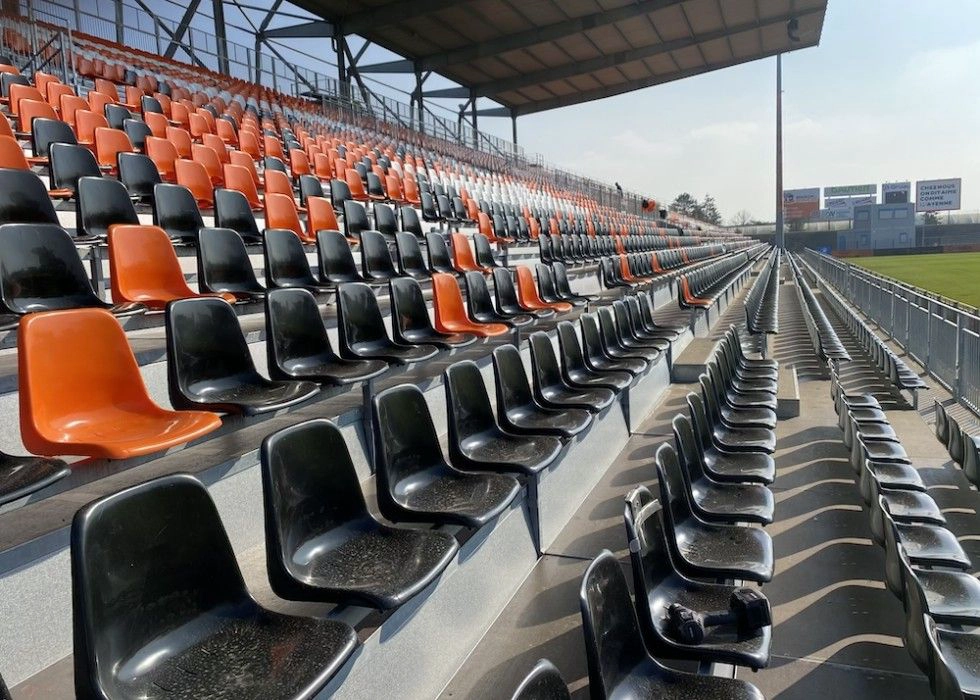
The best part is that the prices are coming down, too. As more manufacturers start producing bio-based materials, the cost is going down, so it's becoming more affordable for venues of all sizes. Just a few years ago, bio-based seats were a luxury, only for the biggest, richest venues. But now, they're becoming more accessible, so even small venues can afford to make the switch.
The bio-based Stadium chair is the future of sustainable seating. It's a way to have all the comfort and durability of traditional seats, but with a fraction of the carbon footprint. And as more venues adopt these materials, it won't be long before bio-based seats are the new standard, helping the entire industry cut its emissions, and build a more sustainable future.