





Biometric Feedback: The Training Chair That Reads Your Mind (and Posture)
Imagine a chair that knows you’ve mentally checked out before you do. A new breed of training chair, packed with neural-network sensors, is turning corporate classrooms into laboratories of attention, promising to measure engagement by the seat of your pants.
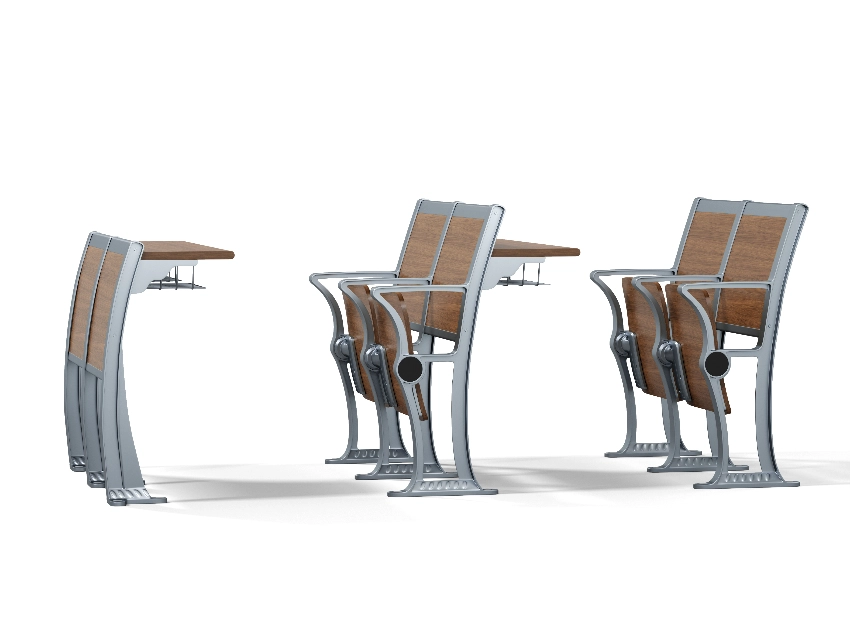
The “Internet of Things” is finally infiltrating the humble four-legged chair. A Silicon Valley startup has debuted a training chair that integrates a flexible sensor mat between the upholstery layers. This isn't just a pressure pad; it’s a ballistocardiogram sensor that measures the subtle mechanical force of the heart’s ejection of blood. By analyzing the micro-vibrations of the occupant’s body without any skin contact, the training chair can accurately track heart rate and even detect spikes in stress. The primary application is in high-stakes training environments—think air traffic control simulators or surgical skills labs—where monitoring cognitive load is essential for safety. An instructor can view a dashboard showing aggregated classroom stress levels, identifying exactly which module caused cognitive overload.
Privacy, predictably, is the hot-button issue. The manufacturer emphasizes that the training chair processes biometric data entirely on the edge, using an embedded ARM processor located under the seat. No raw heart data is ever transmitted to the cloud; only anonymized group averages are accessible. The chair is designed to be a diagnostic tool for the curriculum, not a surveillance device for the individual. Beyond health metrics, the sensors are finely tuned to detect the specific movement signatures of disengagement—the slumped spine, the shifting weight that suggests boredom. If the training chair detects a critical mass of audience restlessness, it can trigger a micro-adjustment in its lumbar support or slightly heat the seat pan to refocus attention, a technique called sub-threshold haptic nudging. The idea is to subtly re-engage the sitter without them consciously noticing the intervention.
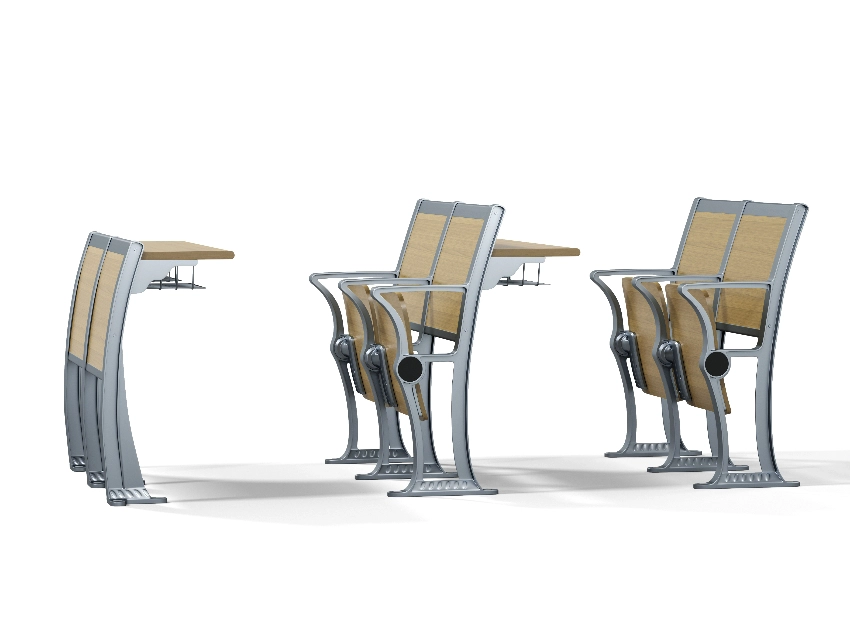
For corporate trainers, this intelligent training chair provides an unprecedented layer of feedback. Previously, gauging whether a sales methodology lesson truly landed relied on post-session smile sheets that offered little objective value. Now, trainers can correlate specific presentation slides with biometric spikes, refining their delivery with scientific precision. The next iteration promises to integrate with Zoom and Teams, sending a "refocus" nudge to remote participants who are drifting away, effectively extending the biometric reach of the physical training chair into the digital world. Critics argue this is a step toward a dystopian workplace panopticon, but proponents insist that a well-designed training chair that passively supports peak cognitive performance is simply the modern equivalent of a good lighting scheme. As corporations invest billions in upskilling, the demand for proof of engagement will only make the sensor-embedded training chair more prevalent.