





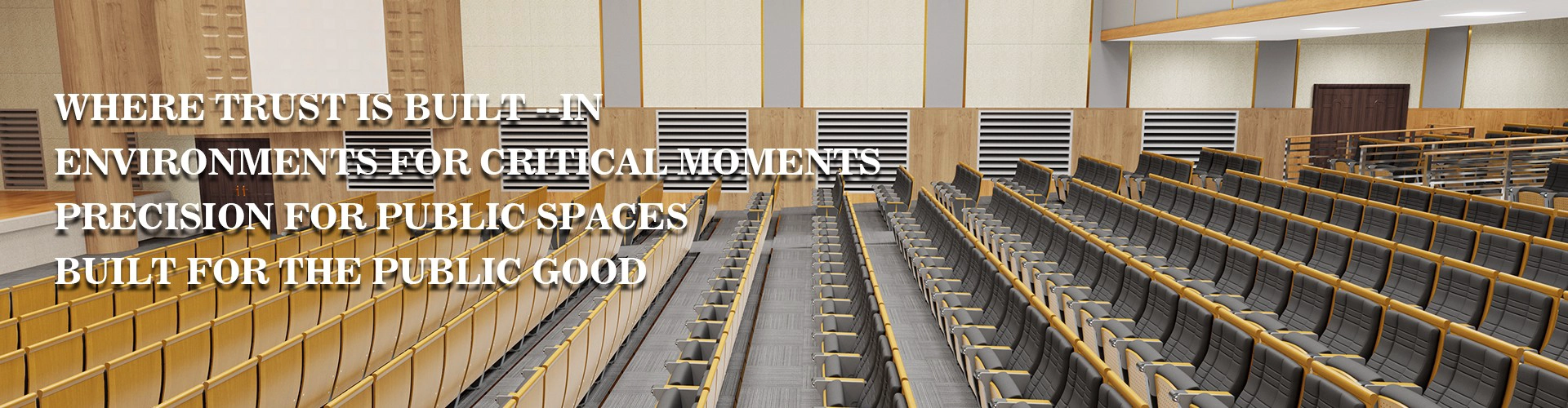
The Antimicrobial Shield: How Hospitals and Labs Are Redefining the Training Chair
In a world hyper-aware of surface transmission, the porous fabric seat is a vector of anxiety. The healthcare and laboratory sectors are now driving the strictest cleaning protocols yet, leading to a training chair that can be fully submerged in disinfectant without falling apart.
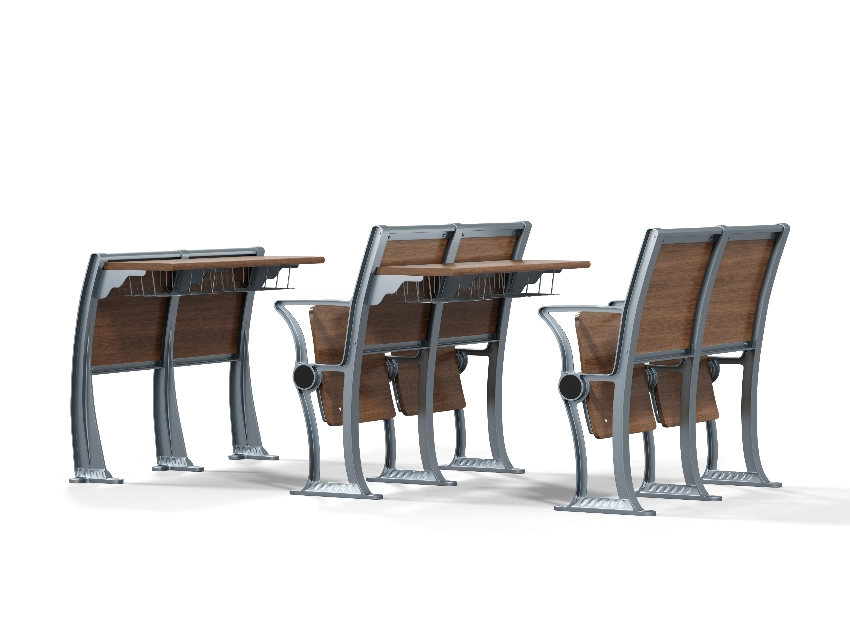
Hospitals and pharmaceutical cleanrooms operate under a completely different set of rules than a typical corporate boardroom. A training chair used for staff education in a clinical setting must withstand daily, aggressive wipe-downs with bleach, quaternary ammonium, or even hydrogen peroxide vapor. Traditional steel chairs rust at the welds, and standard polyurethane foams degrade into sticky mush when exposed to such chemicals. A medical furniture specialist has responded with a ground-breaking training chair built entirely from non-porous, single-mold polymer. There is absolutely no textile, no stitching, and no hidden crevice where a bacterium could hide. The design uses a patented “waterfall” drainage edge, meaning fluids run straight off the chair, puddling on the floor beneath rather than soaking into a seam. This makes the training chair suitable for Level 2 biosafety labs, where contamination control is a life-or-death matter.
The material science behind this robust training chair is a testament to polymer engineering. The seat and back are not merely plastic; they are a high-elasticity thermoplastic elastomer (TPE) that flexes like traditional mesh but offers zero porosity. Advanced gas-assist injection molding creates hollow channels in the armrests, dramatically reducing weight while adding strength. Despite the industrial-grade durability, the designers have prioritized comfort, incorporating a cascading wave pattern on the backrest that flexes dynamically to cradle the lumbar region. Because there are no separate foam pads, the antimicrobial training chair avoids the common problem of delamination, where the fabric separates from the foam after years of cleaning. Venue operators in life sciences report that these chairs, while costing twice as much as a basic training chair, have a lifespan that is effectively three times longer due to the elimination of upholstery failure.
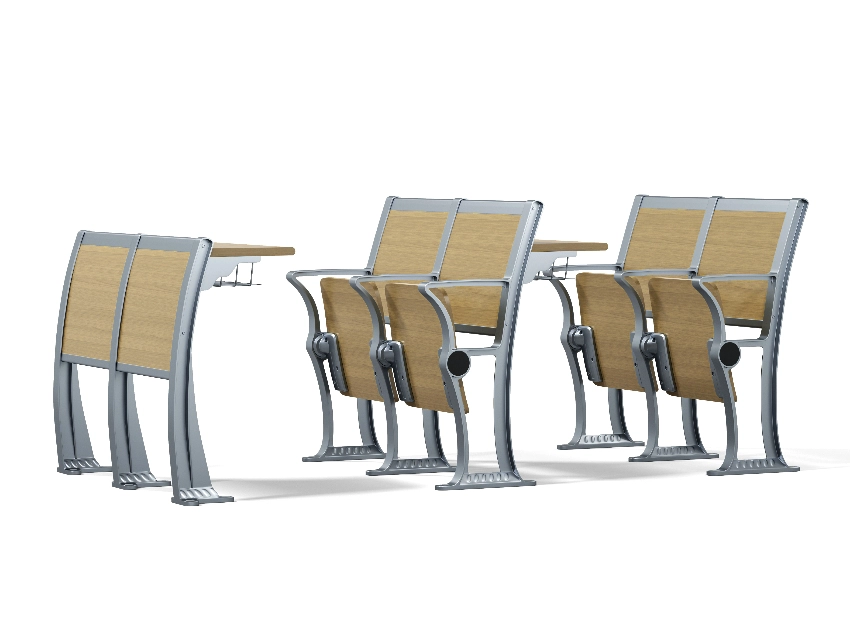
The influence is spilling over into the corporate and education sectors. As HR departments draft stricter wellness and sanitation policies, the “cleanable training chair” is becoming a procurement checkbox. Schools, in particular, are drawn to the idea of a training chair that can be pressure-washed during summer breaks, eliminating the dust mites and allergens that accumulate in traditional padding. The latest design iteration adds an optional mesh barrier pad that clips on for thermal comfort during long sessions but can be peeled off and autoclaved. This hybrid approach gives the user the warm, breathable feel of fabric without the hygiene risks. The pandemic’s lasting legacy in the furniture industry is a new category: the fully sanitizable training chair that meets the clinical standards of a hospital while remaining welcoming enough for a classroom.