






Biophilic Training Chairs: Bringing the Forest into the Lecture Hall
The biophilic design movement has finally moved beyond potted plants and living walls. The newest trend in learning spaces sees the training chair itself crafted from raw, tactile wood and moss-upholstered fabrics, blurring the boundary between furniture and nature.

Decades of beige plastic and cold metal have starved the modern learner of sensory connection to the natural world. A new wave of training chair design actively rejects industrial anonymity in favor of a hand-crafted, organic aesthetic. The shells are not injection-molded but steam-bent from European beech and walnut, harvested from certified coppice woodlands. The finish is a natural linseed oil that wears gracefully over time, developing a patina rather than scratching. The backrest of this biophilic training chair features a living hinge carved directly into the wood, allowing it to flex ergonomically without any metal mechanics. This is not furniture that hides its materials; it celebrates them, with the grain of each training chair being entirely unique.
The upholstery takes the natural theme into the realm of material science. Designers are experimenting with woven seat pads made from a blend of hemp and abaca fibers, offering a surface that feels warm and inviting, similar to a fine wool, but with immense tensile strength. More radically, some prototypes integrate preserved Reindeer Moss into a breathable mesh backing. This moss requires no water or sunlight, is naturally fire-retardant, and stabilizes humidity by absorbing and releasing moisture from the air. A training room filled with these chairs subtly regulates its own micro-climate. For corporate training centers in urban high-rises, sitting in a training chair that smells faintly of timber and feels like tree bark is a powerful antidote to “nature deficit disorder,” measurably reducing blood pressure before the session even begins.
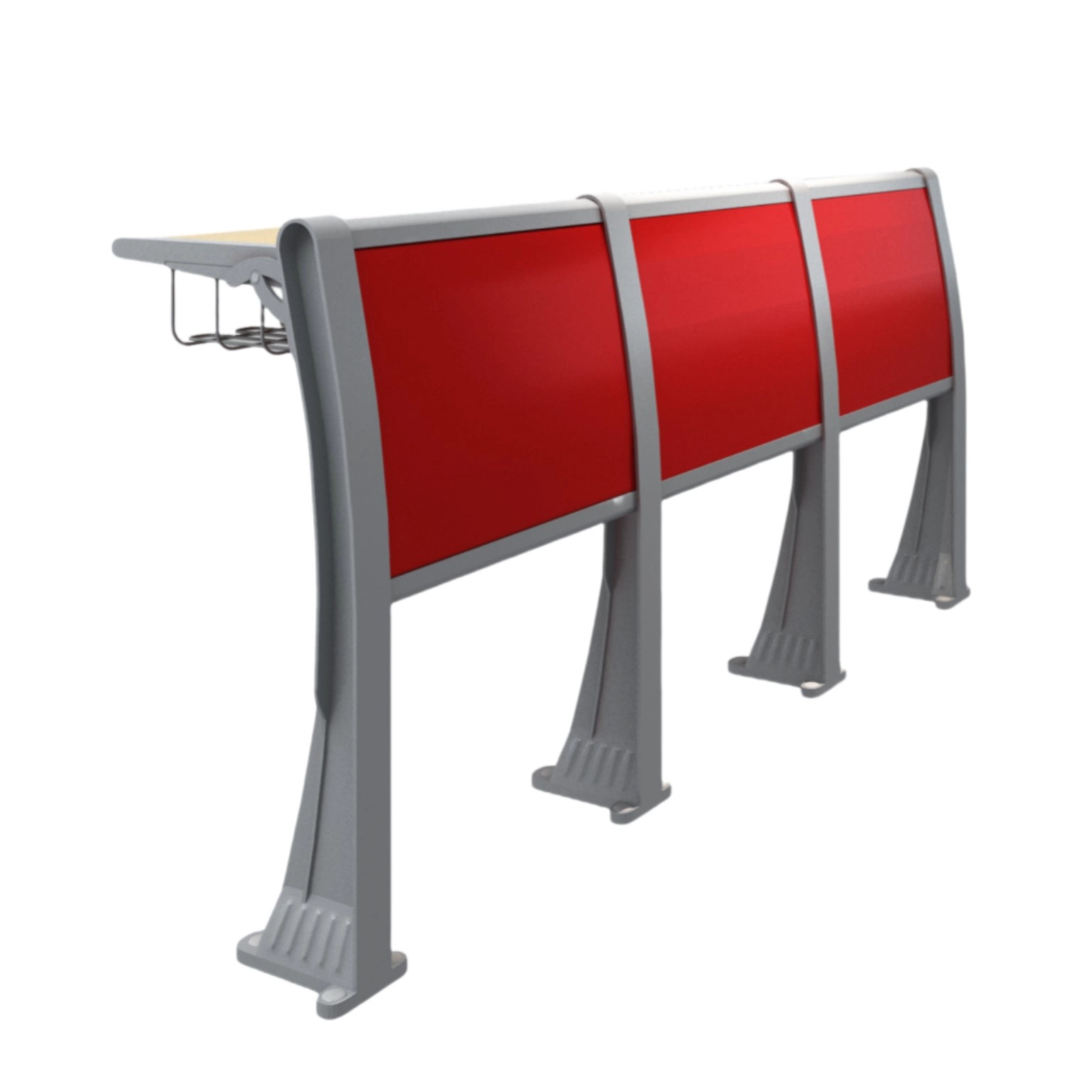
The challenge, as always, is durability and cost. Wood is heavier and more expensive than plastic. However, the biophilic training chair is marketed as an heirloom product, intended to be re-sanded and re-oiled over a 30-year lifespan, rather than discarded after 10. Educational institutions focused on environmental studies are the early adopters, seeing the furniture as a teaching tool in itself. The aesthetic also aligns perfectly with the hospitality sector, where hotels need a training chair for conference spaces that looks like a piece of boutique furniture, not a sterile institutional tool. This movement reflects a deeper realization: that cognitive performance is deeply connected to our sensory environment. When you sit in a training chair made of living materials, your brain engages in a different, more receptive mode.