






The Heavyweight Champion: A Training Chair Built for Plus-Size and Bariatric Support
For too long, the standard training chair has excluded a significant portion of the population through narrow widths and flimsy weight limits. A new universal design movement is demanding bariatric-rated training chairs that look identical to standard models, ensuring dignity and inclusion.
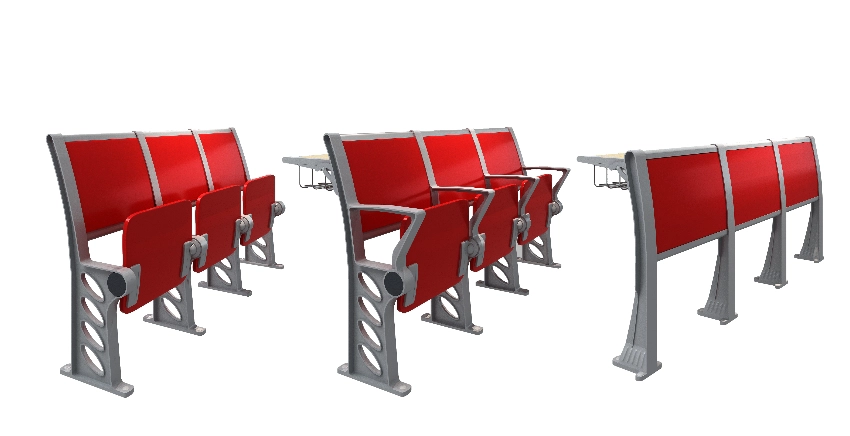
Obesity rates are rising globally, yet the standard institutional chair is still built around a 19-inch seat width and a static load of 250 pounds. For larger individuals, a day of training can be a humiliating ordeal of pinching armrests and the quiet terror of a structural failure. Inclusivity-focused manufacturers are now launching "heavy-duty" models that push the engineering envelope. These training chairs feature a reinforced, aircraft-grade aluminum frame with triple-welded joints, rated to a static load of 800 pounds and a dynamic drop force significantly exceeding industry standards. The seat width is expanded to 26 inches, and the armrests are anchored at the front, eliminating the typical side-bracket "squeeze." Critically, this robust training chair is designed to nestle seamlessly into a row of standard chairs, looking almost identical, so a user does not feel singled out by visibly different furniture.
Comfort engineering goes beyond just making the chair wider. The foam formulation for this bariatric training chair is a high-resilience, extra-firm polyurethane that resists "bottoming out" over extended periods. The foam thickness is increased from a typical 2 inches to a structural 4 inches, yet the edge is contoured to relieve pressure on the sciatic nerve. The armrests are rated not just for resting, but as load-bearing transfer supports, critical for users with mobility challenges. The design eliminates the central beam under the seat pan—a common source of thigh discomfort in heavy-duty chairs—by using a cantilevered frame structure. This creates a floating sensation that makes the training chair feel much less imposing than its weight limit suggests. The upholstery is a breathable, high-tensile mesh that dissipates heat effectively, a key comfort factor for all users, but particularly essential here.
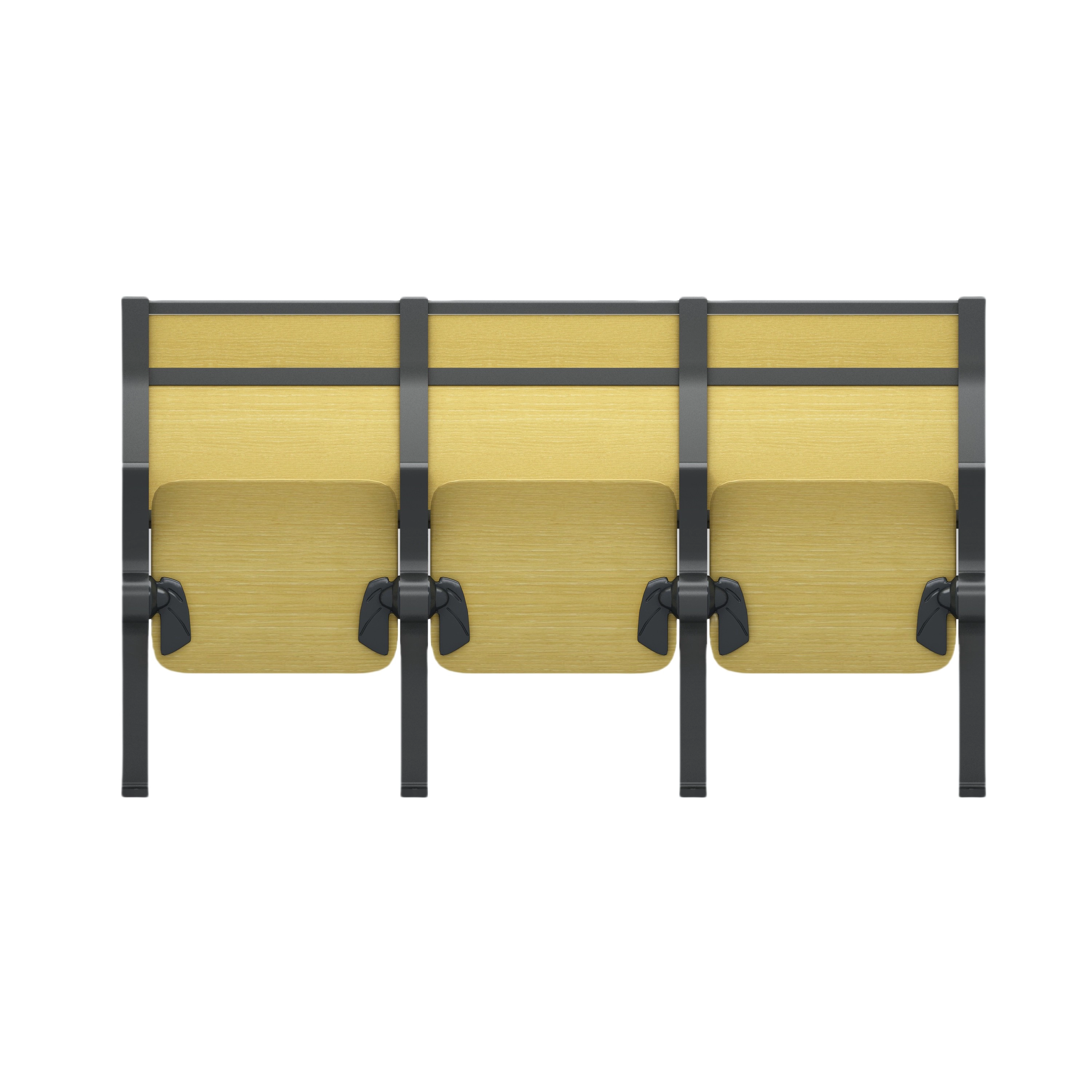
For venue operators and training center managers, the inclusive training chair is a risk-management imperative. Discrimination lawsuits and negative visitor feedback are forcing a shift away from one-size-fits-all procurement. It is no longer acceptable to simply offer a separate, institutional-looking "wheelchair space" or a folding steel chair as an alternative. The mandate is for universal design: a training chair range that offers sizes from petite to bariatric within the exact same design language. The market is responding, with major contract brands making "extended size" part of their core launch palettes rather than a special order. The industry is finally learning that a truly inclusive training chair doesn’t just support weight—it supports dignity, belonging, and the right of every individual to focus on learning without physical distress.