





Closed-Loop Recycling: Old Auditorium Seats Become New Again
When theaters renovate, thousands of old chairs typically head straight to a landfill. A pioneering take-back program is now giving retired auditorium seats a second life — by chemically recycling them into the raw ingredients for brand-new chairs.
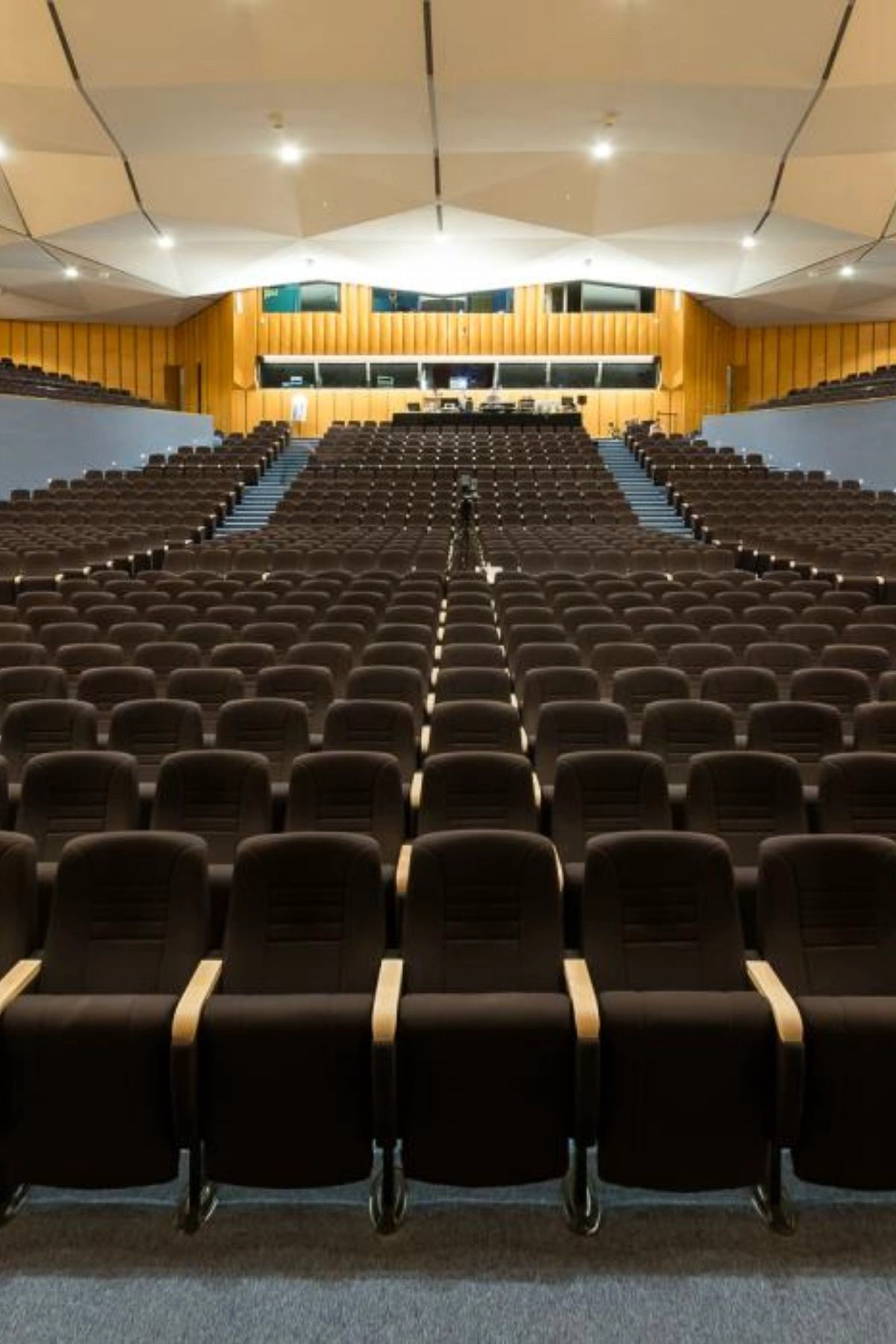
The average lifespan of fixed seating in a busy venue ranges from 15 to 25 years. Multiply that by the global stock of millions of chairs, and the waste stream from renovation projects becomes staggering: a single cinema multiplex retrofit can generate over 20 tons of mixed-material waste — steel, foam, fabric, and plastic — that is notoriously difficult to separate and recycle. A circular economy consortium in the Netherlands, backed by the EU Green Deal innovation fund, has developed a dedicated disassembly and material recovery line designed exclusively for auditorium seats. The process begins with robotic separation, where machines strip the upholstery, shred the polyurethane foam, and magnetically extract the steel frames. The foam enters a chemical recycling pathway that breaks it down into its original polyol, which can then be re-polymerized into fresh foam with virgin-equivalent performance.
The polyester seat fabrics undergo a similar molecular journey. Instead of being mechanically shredded into low-value felt, they are depolymerized and spun back into new yarn, retaining the original strength and dyeability. This cradle-to-cradle approach allows seat manufacturers to offer a fully recycled content option for new auditorium seats, with a verified chain of custody that traces the recycled polymer back to a specific retired theater. There is a compelling marketing story: a donor-funded university concert hall can boast that its new seats contain the reconstituted material of the seats alumni sat in decades before. This emotional continuity resonates with heritage venues, where patrons feel a tangible link to the past even as they enjoy modern comfort.
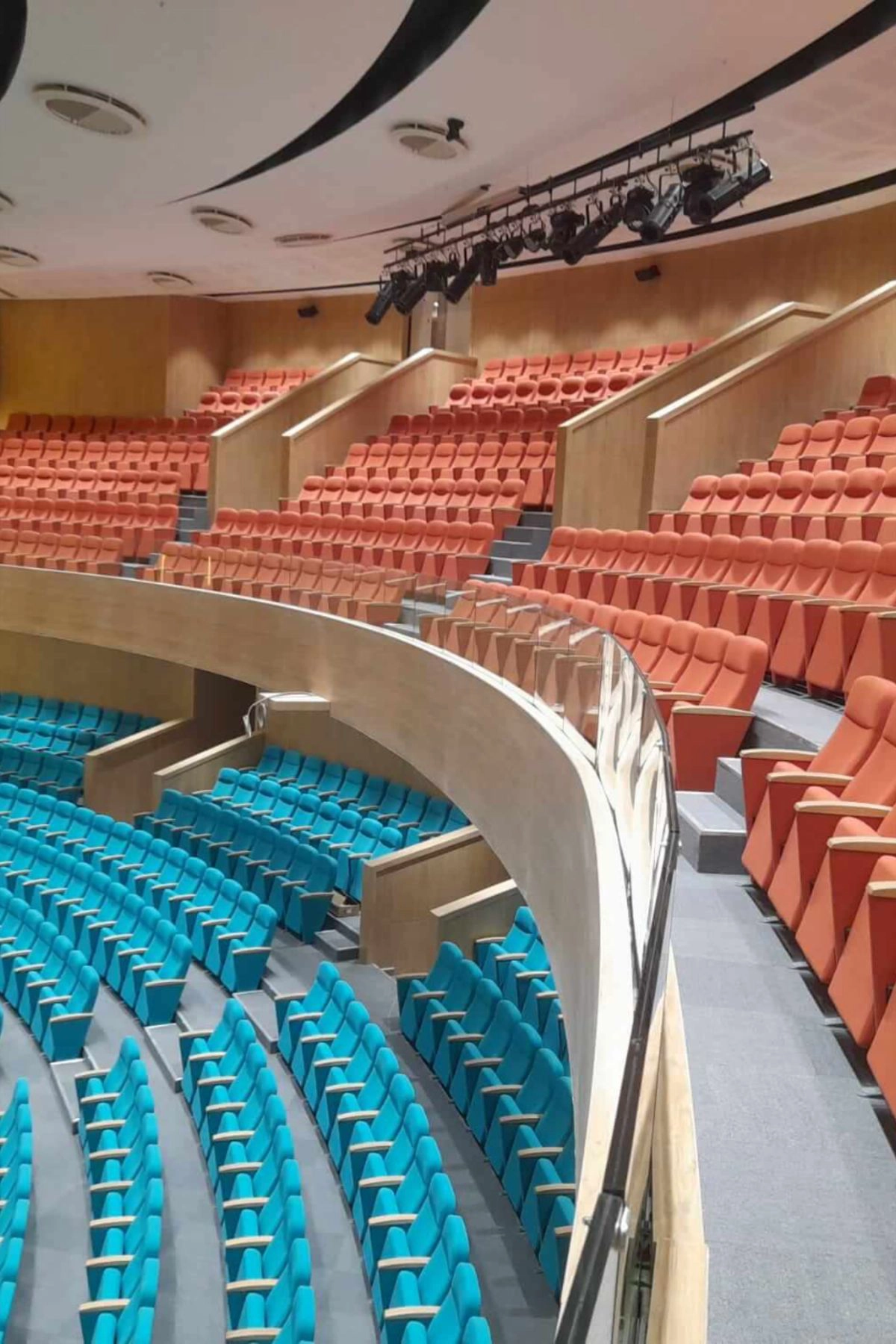
The business case is solidifying as landfill taxes rise and extended producer responsibility regulations loom. Several major European seat manufacturers now design their current auditorium seats with “design for disassembly” principles: snap-fit rather than glued connections, mono-material armrests, and RFID-tagged components that a smartphone can scan to identify the exact recycling pathway. A seat installed today carries a digital material passport, logging every polymer, additive, and metal alloy, so that when it reaches end-of-life in 2040, the recycling plant knows precisely how to process it. This transforms the product from a consumable item into a material bank. As the industry confronts its environmental responsibilities, the circular auditorium seat is no longer an aspirational concept; it is a commercially available product, proving that even the most complex assembly furniture can be part of a truly closed loop.