





The Ergonomic Revolution: How the Humble Training Chair Became a High-Tech Wellness Device
When did sitting down to learn become a health hazard? As corporate training sessions stretch into day-long marathons, the spotlight has turned to an unlikely hero — the chair. A revolution is quietly reshaping the humble training chair into a personalized wellness tool.
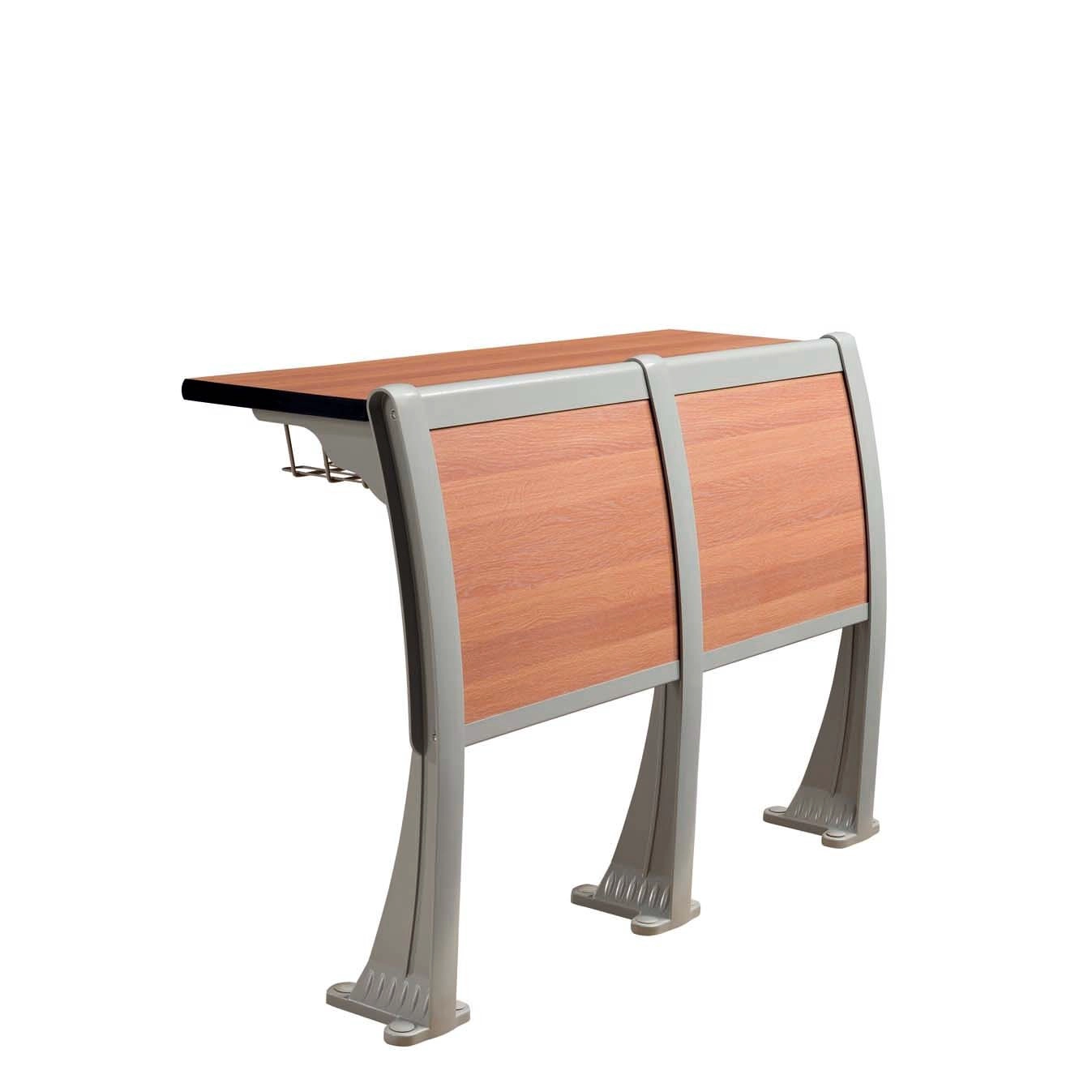
For decades, the typical training chair was a stackable, thinly padded afterthought, designed for short-term discomfort rather than all-day support. That paradigm is officially dead. Leading furniture manufacturers are now unveiling a new class of training chair that integrates dynamic sitting technology, actively encouraging the micro-movements essential for spinal health. These next-generation designs feature flexible backrests that respond to the user’s weight and posture, allowing a gentle 12-degree lateral flex. The goal is no longer just to provide a place to sit, but to keep the sitter’s core engaged and alert. The shift is driven by biomechanical research showing that static sitting for more than an hour drastically reduces focus and increases long-term musculoskeletal injury risk. By making the training chair an active participant in the learning process, companies are hoping to boost retention rates.
The transformation goes deeper than visible mechanics. New pressure-mapping technologies are being embedded directly into the foam of the modern training chair. Sensors woven into the seat pan and backrest connect to a discreet app that vibrates gently if the user has remained motionless for too long, effectively training better posture habits in real-time. Facilities managers are particularly enthusiastic about the aggregated, anonymized data generated by these smart training chairs, which can demonstrate exactly how long a training room is actively used and whether the seating layout encourages engagement. One major tech firm reported a 15% drop in afternoon fatigue complaints after switching to adaptive training chairs in its onboarding suites. The design also ditches the traditional lumbar knob in favor of a self-adjusting mechanism that mimics the zero-gravity feel of a high-end task chair. However, this complexity raises the price; some advanced models now cost three times a standard training chair, forcing procurement officers to weigh long-term health savings against immediate capital expenditure. Yet, the consensus is growing that the training chair must evolve from a static furniture piece into a guardian of well-being.
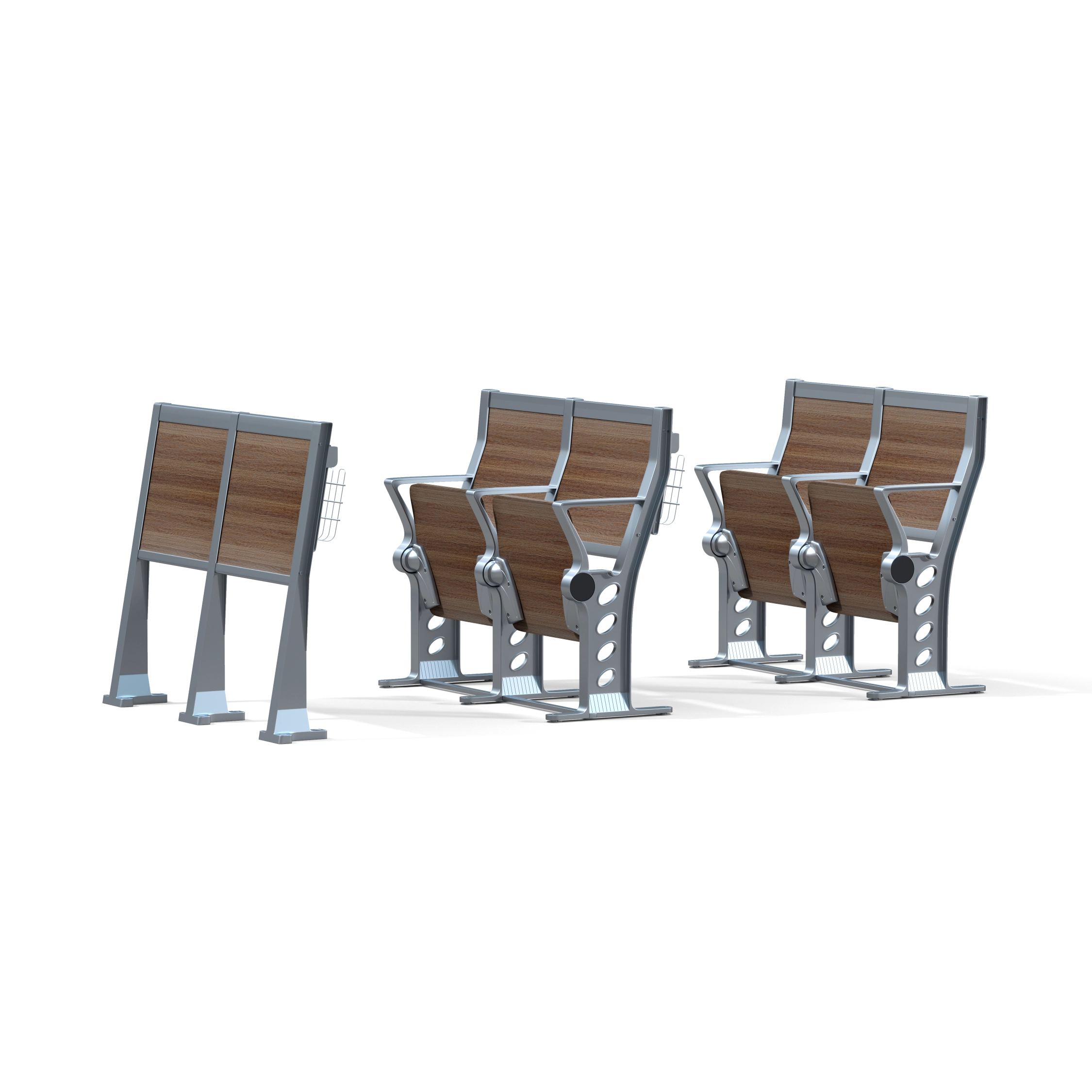
Aesthetics have not been sacrificed for ergonomics. The latest silhouettes are sleek and residential, using knitted performance textiles that breathe better than traditional contract polyester. These fabrics repel stains without chemical coatings, addressing the coffee-spill realities of a busy training environment. The training chair is also being designed for circularity; snap-fit components allow for on-site replacement of worn arm caps or casters, extending lifecycles to twenty years. In a knowledge economy where talent development is paramount, companies view the training chair not merely as furniture, but as a strategic asset that physically signals investment in employee potential. The message is clear: if you want people to learn and change, you must first support them literally. The era of the painful folding chair is over.