








College Sports' Stadium Arms Race: Small Universities Are Upgrading Seating To Compete For Fans And Donors
The college sports stadium arms race isn't just for the big programs like Alabama, Ohio State, and Texas anymore. Smaller colleges and universities are now getting in on the action, upgrading their stadium seating, to compete for fans, students, and donors, and make their venues competitive with the bigger schools.
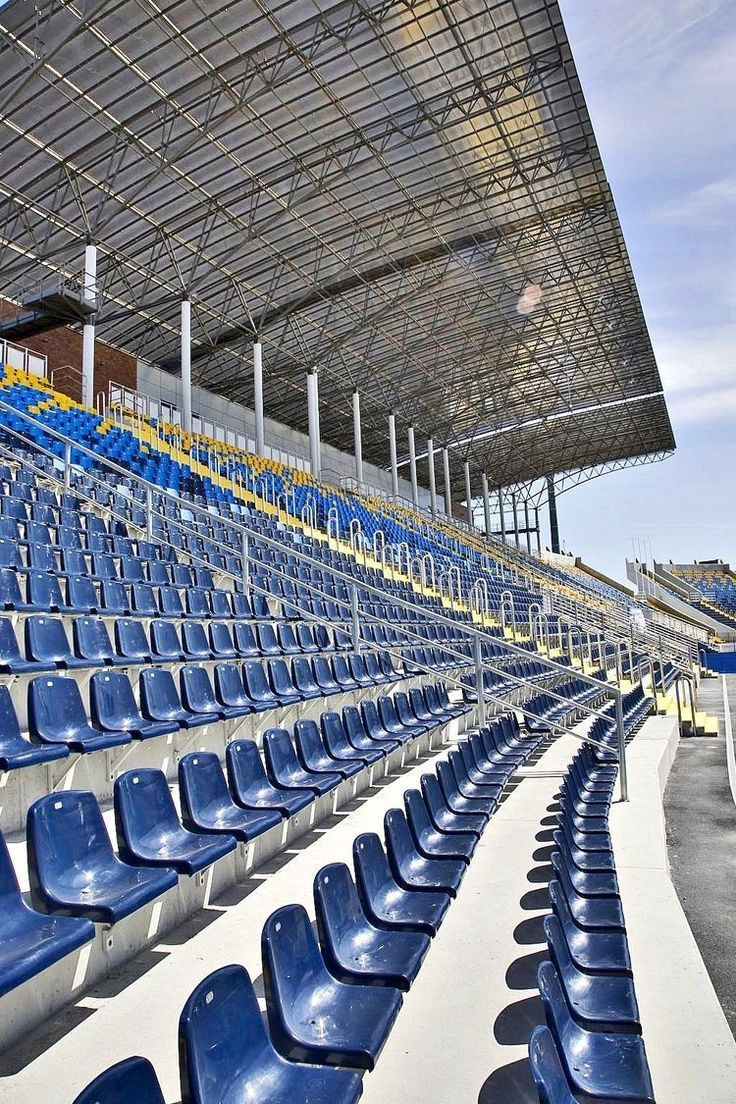
For years, small college stadiums had old, worn-out benches, narrow seats, and no premium options. They couldn't compete with the big programs, who had luxury suites, premium seating, and modern venues. But now, smaller schools are realizing that upgrading their seating is a way to generate more revenue, attract more fans, and even compete for better students and athletes.
Upgrading the seating lets small schools add premium sections, like club seats and luxury suites, that generate more revenue from donors and local businesses. Just like the big schools, small colleges can sell premium seating leases, to raise money for stadium renovations, and for athletic scholarships. That money can then be used to improve the athletic program, recruit better players, and compete with bigger schools.
It also helps them attract more fans. Students and local fans don't want to sit on old, uncomfortable benches, for 3 hours, watching a game. They want comfortable seats, with cup holders, charging ports, and a great view. By upgrading the seating, small schools can make the game day experience better, which means more fans will come to the games, buy season tickets, and spend money on concessions. That generates more revenue for the athletic department, which can be used to improve the program even more.
For example, a small Division II school in Ohio recently upgraded their stadium seating, replacing the old aluminum benches with modern, ergonomic seats, and adding a small premium section. In the first year after the upgrade, season ticket sales went up 40%, concession sales went up 35%, and the athletic department's revenue increased by $1.2 million, which was enough to add three new athletic scholarships, and upgrade the team's practice facilities.
The new seats are also a great recruiting tool. When high school athletes are looking at colleges, they look at the facilities, too. A modern, comfortable stadium with nice seats shows the athletes that the school is serious about the sports program, and that they're investing in the team. That can help small schools compete with bigger schools, for top recruits.
It's also a way to attract students. Many small schools are struggling to recruit students, as the college population declines. A nice stadium, with comfortable seating, and a great game day experience, can be a selling point for prospective students, who want to go to a school with a vibrant campus life, and fun sports events.
Small schools are able to do these upgrades affordably, too. They don't need to spend hundreds of millions of dollars, like the big schools. They can do phased renovations, replacing the seats a few rows at a time, over a few years, so they can spread the cost out. And they can use affordable, high-quality seating from manufacturers, that gives them a lot of the same features as the big schools, but at a fraction of the cost.
A single upgraded Stadium chair can make a huge difference for a small school. It turns an old, outdated stadium into a modern, comfortable venue, that fans, students, and athletes can be proud of. And it's affordable, too, so even small schools with tight budgets can do it.
The trend is growing fast. Over the last three years, more than 200 small colleges and universities have upgraded their stadium seating, according to industry reports. And it's paying off, for all of them. They're seeing higher attendance, more revenue, better recruits, and more engaged students.
It's a perfect example of how even small organizations can benefit from upgrading their seating. You don't have to be a big NFL team, or a Power 5 college program, to get the benefits of modern, comfortable seating. Even small schools can make small upgrades, that have a huge impact on their program, and their community.
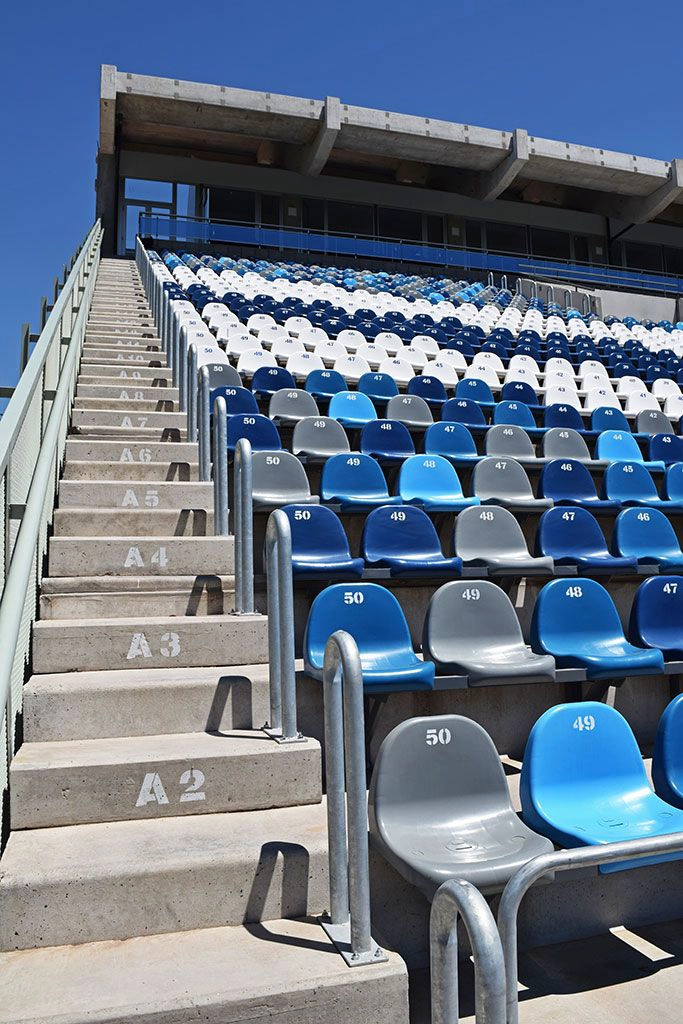
The small-college Stadium chair is changing the face of college sports, letting small schools compete with the big ones, and giving their fans the same kind of great experience that you'd find at the biggest stadiums in the country. And that's good for everyone, because it makes college sports more competitive, more fun, and more accessible, for everyone.