





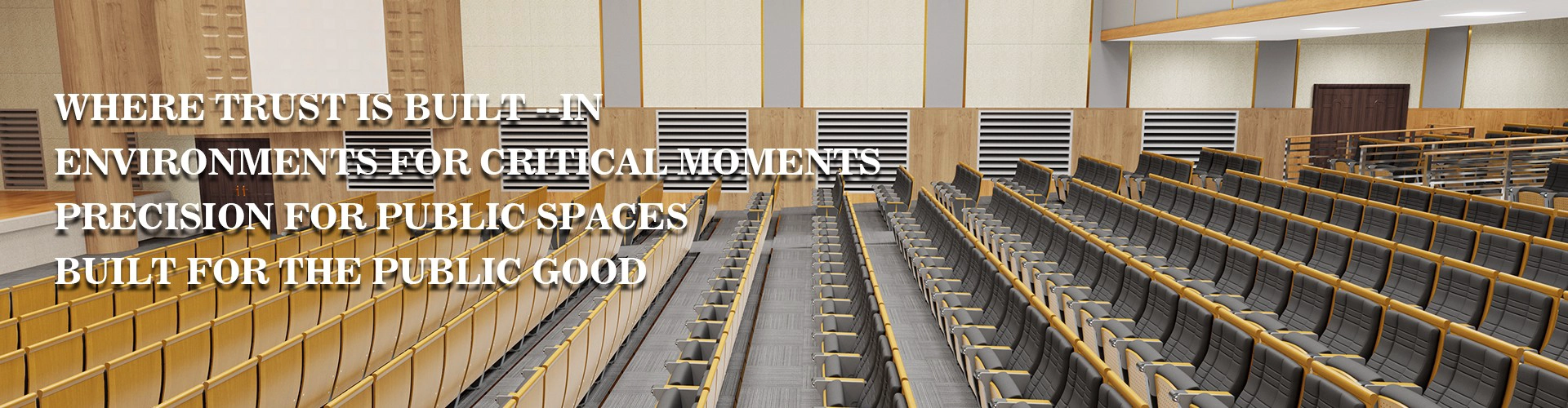
Saudi Arabia's Sports Boom Is Driving Demand For Climate-Resistant Stadium Seating
Saudi Arabia's sports boom is in full swing, as the country builds new stadiums, hosts big events like the World Cup, and tries to become a global sports hub. And that's driving a huge demand for climate-resistant stadium seating, seats that can withstand the extreme desert heat, sand, and UV exposure, that you find in the Middle East.
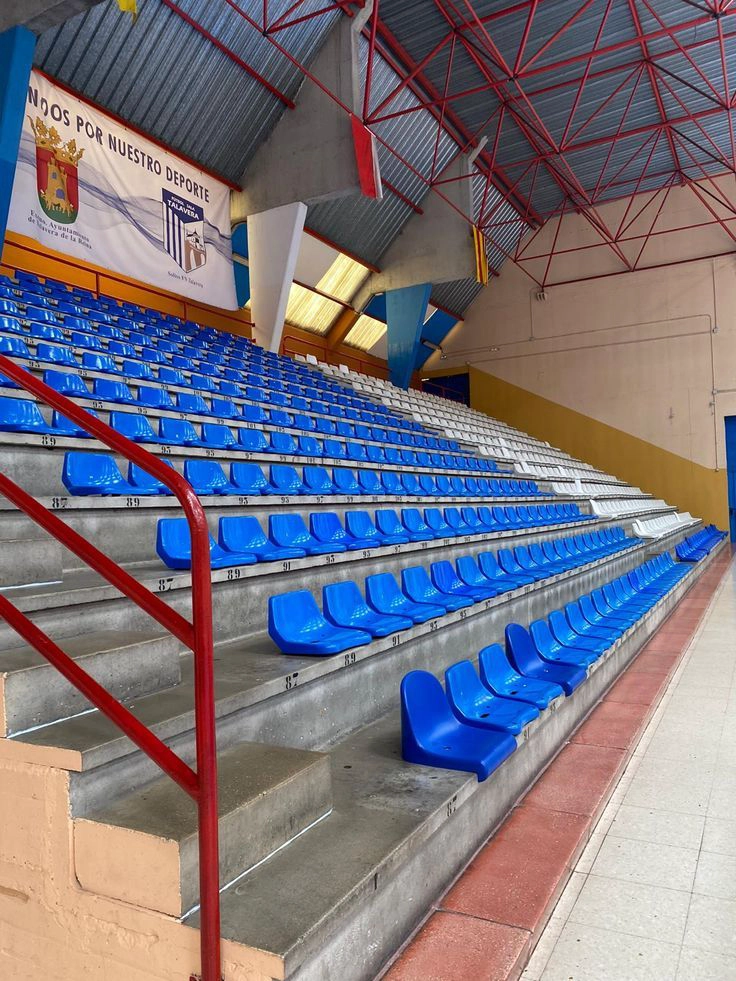
For years, stadiums in the Middle East had a problem: traditional seats couldn't handle the climate. The extreme heat, which can hit 120 degrees in the summer, would make the plastic seats warp and fade. The sand would get into the mechanisms, making the seats hard to fold. The UV radiation from the sun would break down the plastic, so the seats would fall apart after just a few years. That meant venues had to replace their seats every 5-10 years, which was expensive and wasteful.
But now, seating manufacturers are developing special climate-resistant seats, specifically designed for the Middle Eastern climate. These seats are made from special UV-stabilized polymers, that can withstand the intense sun, without fading or breaking down. They have sealed mechanisms, that keep sand and dust out, so the seats can fold easily, even after years of exposure to desert conditions. They're heat-resistant, too, so they don't get too hot to sit on, even in the middle of the summer. And they're corrosion-resistant, so the metal parts don't rust, even with the salty air in coastal areas.
These seats are perfect for the new stadiums that Saudi Arabia is building, as part of their Vision 2030 plan. The country is building more than 20 new stadiums, to host the 2034 World Cup, and to host other big events, like boxing matches, concerts, and WWE shows. All of these new stadiums need seating that can handle the desert climate, and last for decades, without needing to be replaced.
It's not just Saudi Arabia, either. The whole Middle East region is seeing a boom in sports infrastructure. Qatar, UAE, Egypt, and other countries are all building new stadiums, and they all need the same kind of climate-resistant seating. That's why the Middle East seating market is growing at 5.1% a year, faster than the global average, and demand for climate-resistant seats is exploding.
78% of new stadium projects in the Middle East now specify climate-resistant seating, according to industry reports. Venues won't even consider traditional seats anymore, because they know they won't last. They need seats that can handle the extreme conditions, and that means the new climate-resistant models.
A single climate-resistant Stadium chair can last for more than 20 years, in the desert climate, compared to just 5-10 years for a traditional seat. That means venues don't have to replace them as often, which saves them a lot of money in the long run. Even though the climate-resistant seats are a little more expensive upfront, they pay for themselves, because they last twice as long.
Manufacturers are stepping up to meet this demand. Companies from all over the world are developing these specialized seats, and they're opening offices in the Middle East, to work with local venues, and customize the seats to their needs. Chinese manufacturers, who are good at fast, customized production, are winning a lot of contracts in the region, because they can deliver the custom climate-resistant seats, at a lower cost, and faster than Western manufacturers.
Venues in the region are also adding other features, to keep fans cool. Many of the new stadiums have air conditioning, cooling systems, and canopies, to keep the temperature down. The climate-resistant seats work with those systems, to make the experience even better for fans. For example, the seats don't get hot, even when the temperature is high, so fans can sit comfortably, even in the summer.
The new seats are also helping the region host big international events. For the 2034 World Cup, Saudi Arabia needs to have world-class venues, that meet FIFA's strict standards. The climate-resistant seats help them meet those standards, because they're durable, comfortable, and safe, even in the extreme climate. That means the World Cup games can be played in comfort, for the players and the fans, no matter how hot it is outside.
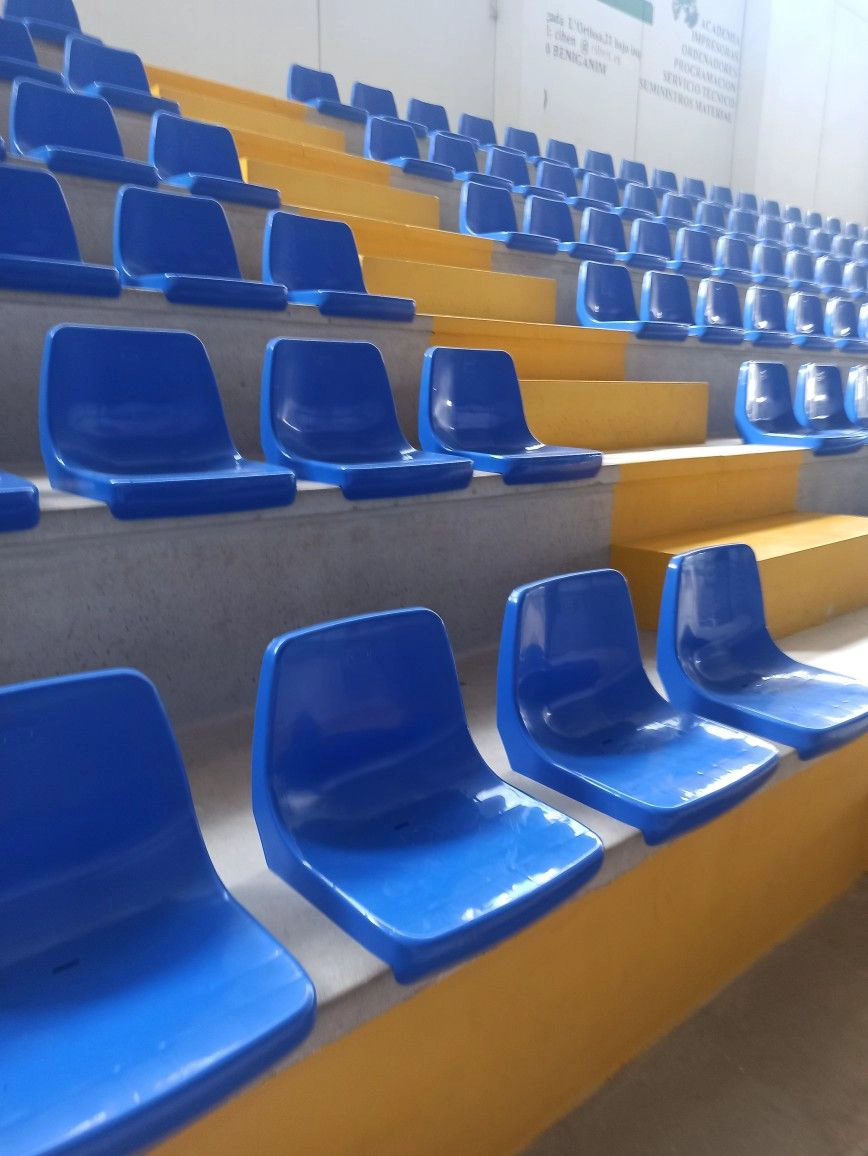
The climate-resistant Stadium chair is the core of the Middle East's sports boom. It's letting the region build world-class stadiums, that can handle the local climate, and host big international events, that put the region on the map. And as more countries in the region build new venues, the demand for these specialized seats will only keep growing, for years to come.