





Context is King: Education and Municipal Development Drive the Waiting Chair Industry into a "New Era"
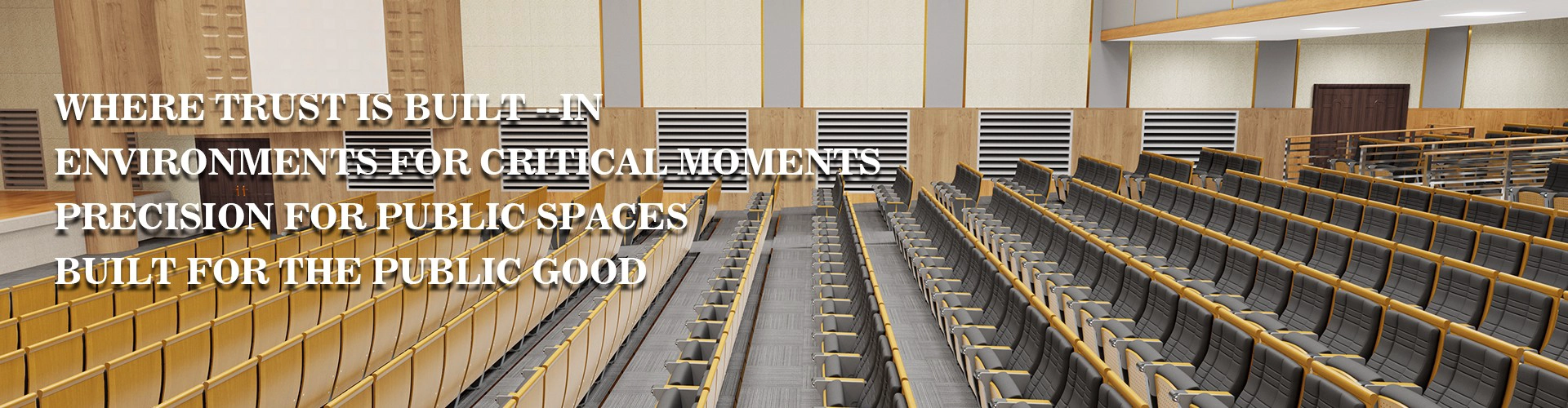
If waiting chairs in the medical field prioritize "healing and care," then in the **education and culture sector**, waiting chairs embody "growth and nurturing." The second phase of the Ministry of Education's "School Improvement Project" clearly mandates the upgrading of facilities in 128,000 primary and secondary schools before 2025, with the procurement budget for waiting chairs in libraries and gymnasiums accounting for as much as 6.3%. This is a massive number! It means that tens of thousands of rural and urban schools are urgently waiting for safe, environmentally friendly, and ergonomically designed new seating for young people.
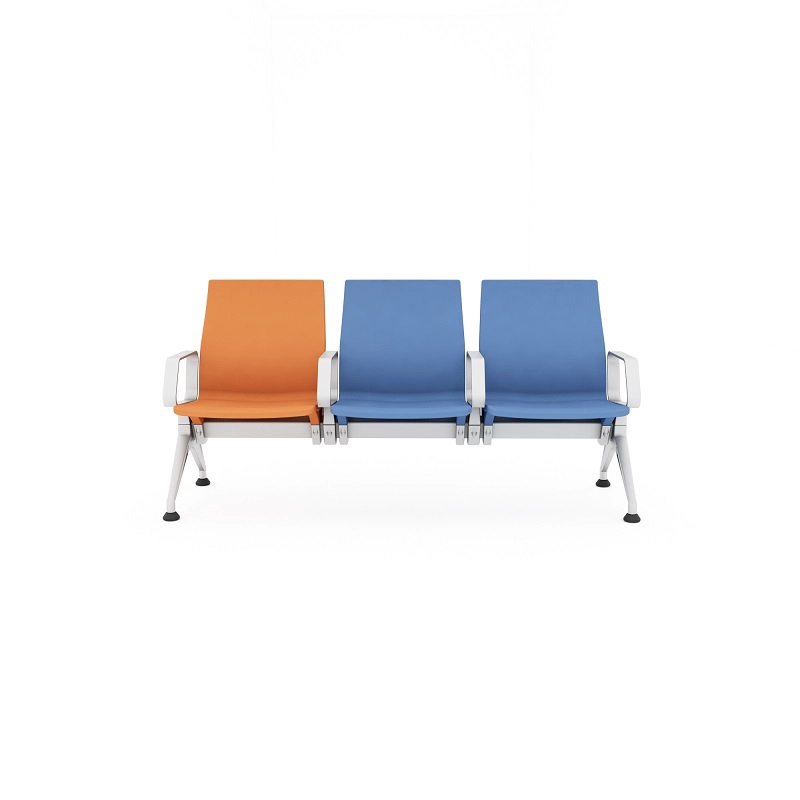
Moreover, in the field of higher education, the pursuit of "experience" is escalating. 36 "Double First-Class" universities have begun piloting the installation of smart waiting systems with USB charging and environmental monitoring functions, with a unit price exceeding 6,500 yuan. This sends a clear signal: **waiting chairs on campus are evolving from "functional" to "user-friendly, intelligent, and aesthetically pleasing."** They must not only withstand the energetic activity of children but also become an integral part of campus culture.
In the **municipal construction sector**, waiting chairs have become a core component of "urban furniture," showcasing the warmth and taste of a city. Applications in the municipal sector exhibit significant **regional characteristics**, requiring companies to "adapt to local conditions."
- **In the Guangdong-Hong Kong-Macao Greater Bay Area**, the standardization of urban furniture construction is in full swing. Shenzhen Qianhai New Area procured 58,000 sets of municipal seating in a single batch, 62% of which used duplex stainless steel specifically designed for marine environments to cope with the high-salt and high-humidity climate of coastal areas.
- **In the Yangtze River Delta region**, park renovation projects are being launched intensively, and cities like Hangzhou have seen a 45% year-on-year increase in demand for outdoor rust-proof waiting chairs. - **In northern regions**, the application rate of weathering steel composite materials is nearly 30% higher than in southern regions, to cope with the harsh winter cold and snow.
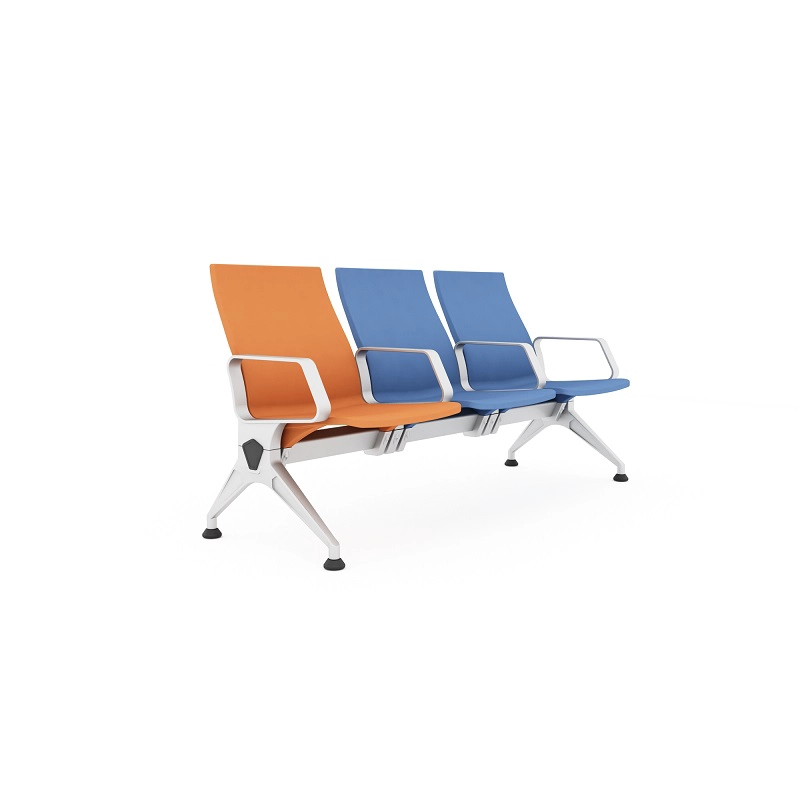
These specific scenario demands are forcing companies to innovate their products. For the education sector, companies need to develop environmentally friendly materials that are formaldehyde-free, have anti-collision corners, and are easy to clean; for the municipal sector, they need to overcome technical challenges such as weather resistance, anti-graffiti, and anti-theft features. At the same time, customized service capabilities have transformed from an "option" to a "necessity." From the special stainless steel seats purchased by the Palace Museum to the -40℃ low-temperature-resistant chairs developed for the Harbin Ice and Snow World, all demonstrate that the era of "one-size-fits-all" products is over.
In short, the boom in these two major sectors—education and municipal services—has opened up vast growth opportunities for the waiting chair industry. This is not only about product sales, but also an opportunity to serve the public and beautify cities. Whoever can deeply cultivate these scenarios and understand the needs of schools and city managers will be able to comfortably reap the rewards in this new wave of opportunities.