







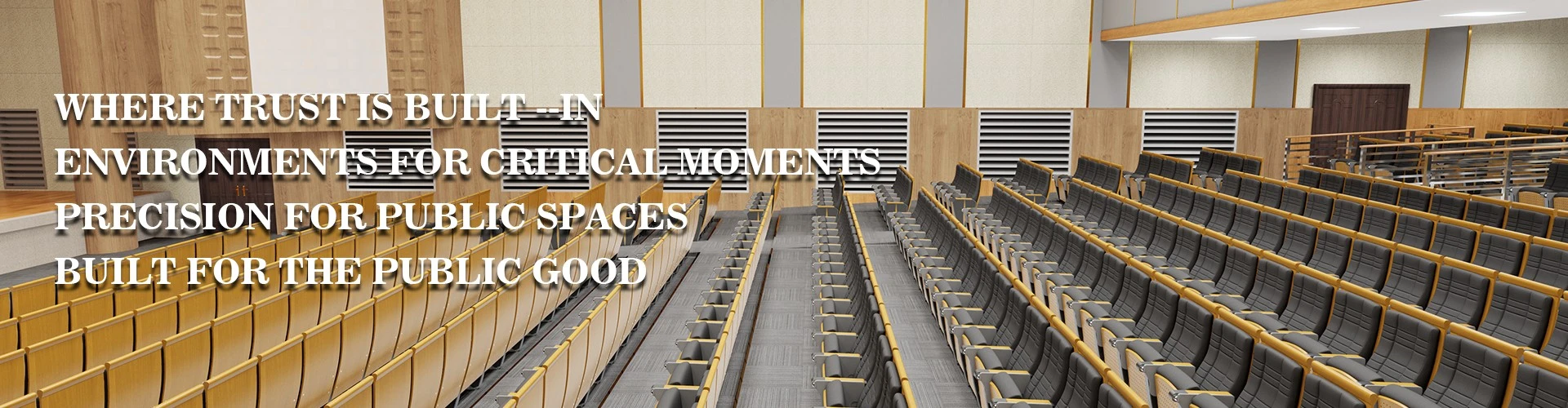
Crossing the Boundaries of Scenarios: How Waiting Chairs Thrive in Diverse Ecosystems
The maturity of the waiting chair industry is reflected in its precise insight into and rapid response to niche markets. Manufacturers and designers realize that no single chair can "fit" all scenarios. Different spaces carry different emotions and functions, requiring distinctly different product solutions.
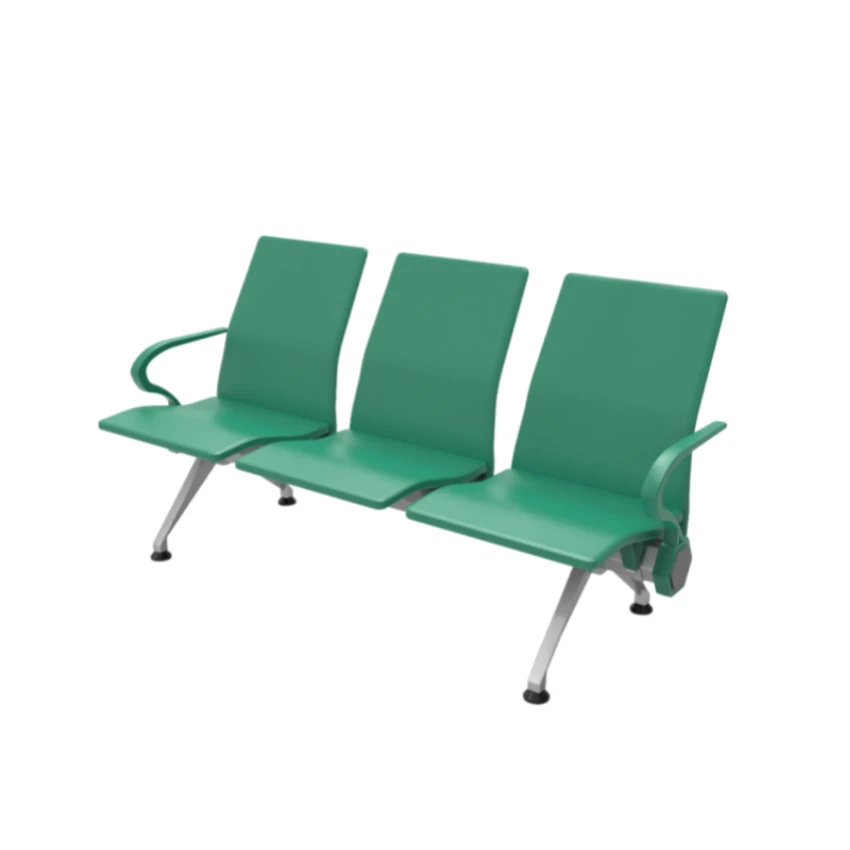
Let's look at these distinctly different "ecological niches."
In the **healthcare sector**, waiting chairs are synonymous with "rehabilitation and care." The keywords here are "cleanliness," "durability," and "inclusiveness." Hospital chairs need to withstand frequent disinfection and cleaning, so smooth, waterproof, and antibacterial materials (such as stainless steel, fiberglass, and artificial stone) are highly favored. At the same time, considering the physical condition of patients, these chairs often need to have space for wheelchair parking or be designed to be more stable to facilitate those with mobility issues to stand up. Comfort here is not just a bonus, but an integral part of the treatment process.
In **transportation hubs (airports, high-speed rail stations)**, waiting chairs are masters of balancing "efficiency and comfort." Travelers often carry luggage, and waiting times are uncertain. Therefore, the design of chairs here focuses more on functionality. For example, integrated charging ports in the armrests are standard; the backrest design needs to provide neck support to meet the needs of travelers who want to catch up on sleep during their journey; and considering luggage security, the layout and design of the seats often cleverly guide travelers to place their luggage within their line of sight.
In **commercial and leisure spaces (shopping malls, cafes, hotels)**, waiting chairs transform into carriers of "aesthetics and social interaction." Here, comfort is paramount, but aesthetics are equally important. Designers boldly utilize color, form, and materials to make the chairs themselves a visual focal point. For example, in a trendy café, a uniquely designed, brightly colored waiting chair might be the reason customers take photos and post them on social media; in a high-end hotel lobby, a dignified and sophisticated waiting chair made of genuine leather or solid wood is the perfect embodiment of the brand's style.
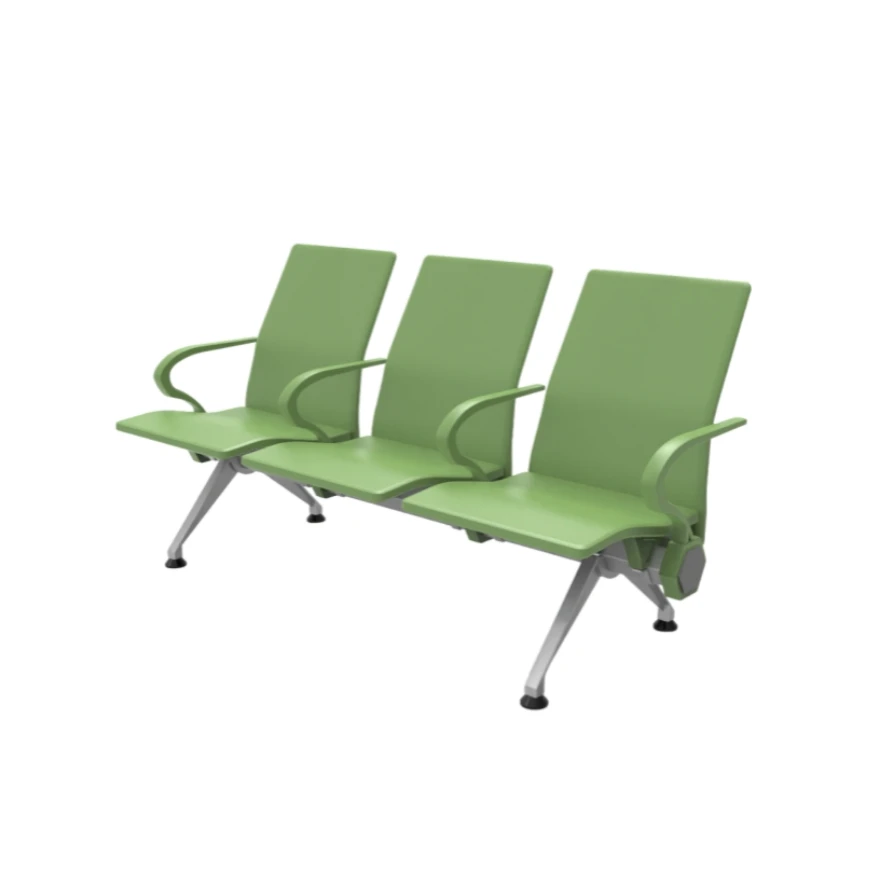
Furthermore, waiting chairs in **educational institutions** (schools, training centers) need to consider the growth and development of young people, requiring lighter designs and more vibrant colors; waiting chairs in **government service halls** need to convey a sense of solemnity, order, and fairness.
This scenario-based segmentation has greatly enriched the product range of waiting chairs. In terms of materials, everything from metal and solid wood to mesh, plastic, and fiberglass is available; in terms of style, from minimalist modern to industrial retro, from cozy pastoral to futuristic technology, the options are vast.
For the industry, this diversification means a broader market space, but also a higher barrier to entry. Companies must possess strong design capabilities, flexible production capabilities, and a deep understanding of different industry cultures to secure a place in their respective niches.
In short, the diversification of waiting chairs is an inevitable result of the increasing specialization of social divisions and the improvement of living standards. It is no longer an isolated industry, but deeply integrated with multiple fields such as healthcare, transportation, commerce, and design. In the future, we will see more waiting chairs tailored to specific scenarios, seamlessly integrating into every wonderful moment of our lives in the most appropriate way.