





The Blue Ocean of the Lower-Tier Market: New Opportunities for Waiting Chairs in Central and Western China and County-Level Economies
For a long time, the market focus and production capacity of China's waiting chair industry have been highly concentrated in East and South China. These regions have developed economies and strong demand for high-end, intelligent products. However, data shows that from 2025 to 2030, the market potential of the central and western regions is growing at an astonishing annual rate of 15.4%, far exceeding that of the eastern coastal regions. This is driven by the continuous national investment in infrastructure construction in central and western China.
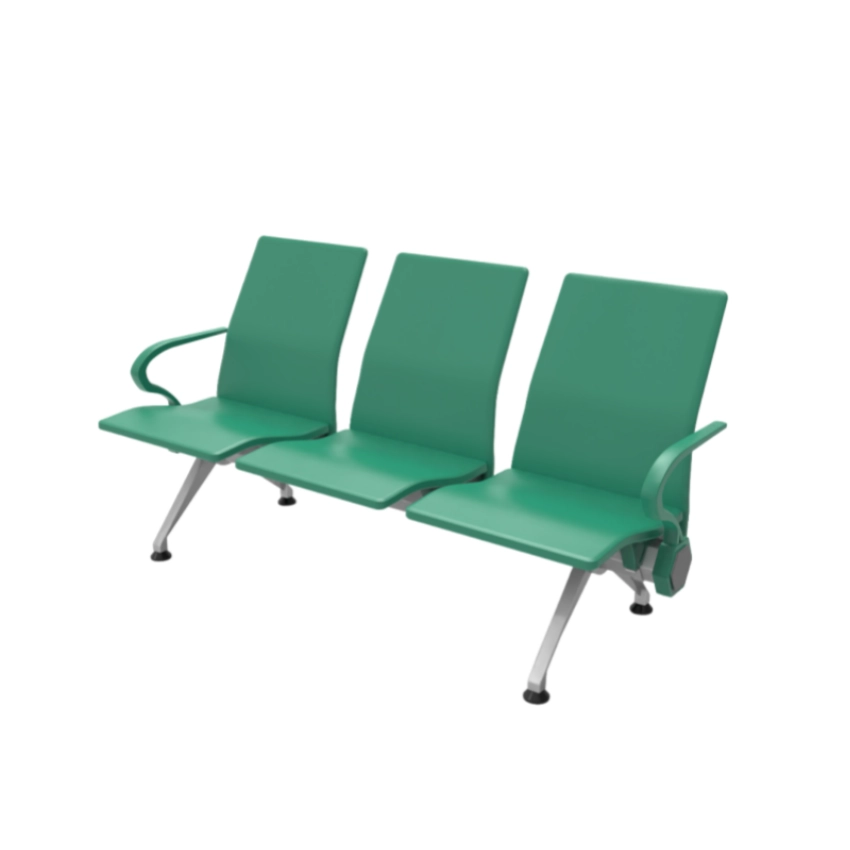
The implementation of national strategies such as the "Chengdu-Chongqing Economic Circle" and the "Yangtze River Midstream Urban Agglomeration" has driven the construction of numerous transportation hubs, medical institutions, and cultural and sports venues. It is estimated that the planned high-speed rail stations and airport terminals alone will generate a huge demand for millions of waiting chairs. In addition, the renovation of waiting areas in county-level hospitals and the upgrading of township health centers also create an urgent demand for waiting chairs that meet medical standards.
However, this blue ocean is not without its challenges. The central and western markets and county-level markets exhibit characteristics distinctly different from those of first-tier cities. First, there are **differentiated functional needs**. Regions like Xinjiang and Qinghai require weather-resistant products that can withstand extreme temperature differences; mountainous regions like Guizhou and Yunnan prefer modular products that are easy to transport and assemble. Second, there is **price sensitivity**. Unlike first-tier cities that pursue "high-end" products, lower-tier markets value cost-effectiveness and durability.
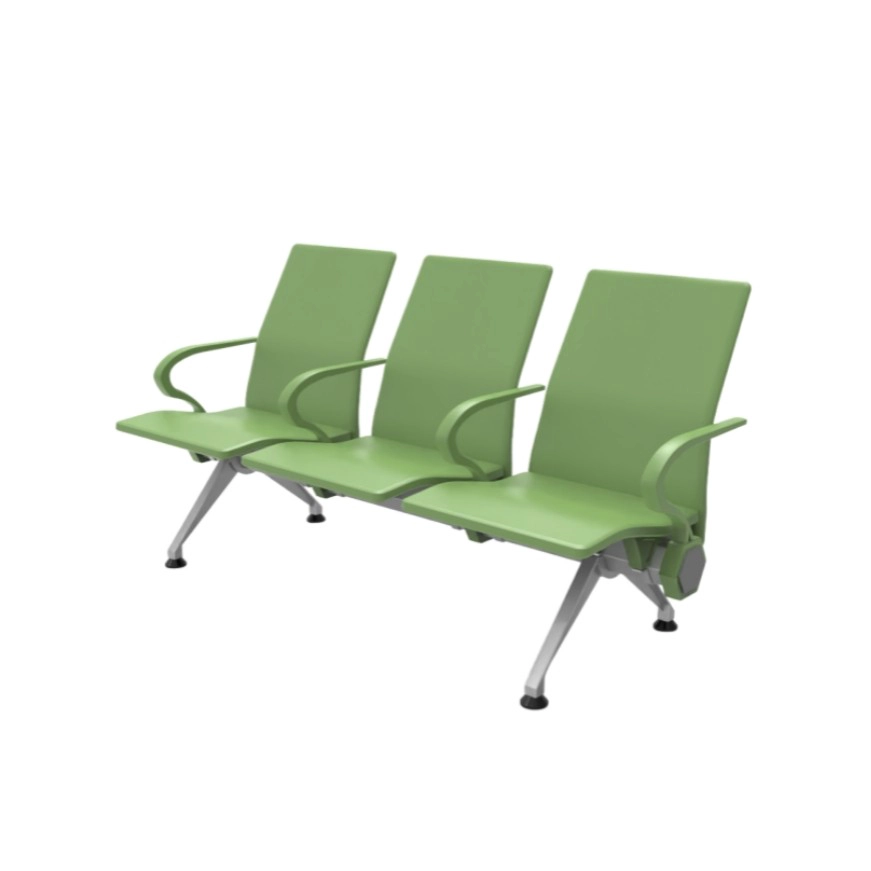
To seize this opportunity, leading companies in the industry have begun to adjust their strategies. They are no longer simply replicating coastal products in the inland regions, but are establishing regional product matrices and developing customized solutions for different climates and usage scenarios. For example, they are launching moderately priced, easy-to-clean and maintain stainless steel waiting chairs, or designing lightweight aluminum alloy chairs specifically for mountainous regions.
This westward and southward expansion is not only about increasing the company's market share, but also an integral part of China's efforts to equalize public services. It means that whether in Shanghai's Hongqiao transportation hub or a county-level hospital in Chengdu, people can enjoy the same comfortable and safe waiting experience. For the waiting chair industry, this vast inland region is the core engine of its development over the next decade.