





Flexible Adaptability: How Modular Design Empowers Multi-Scenario Training Spaces
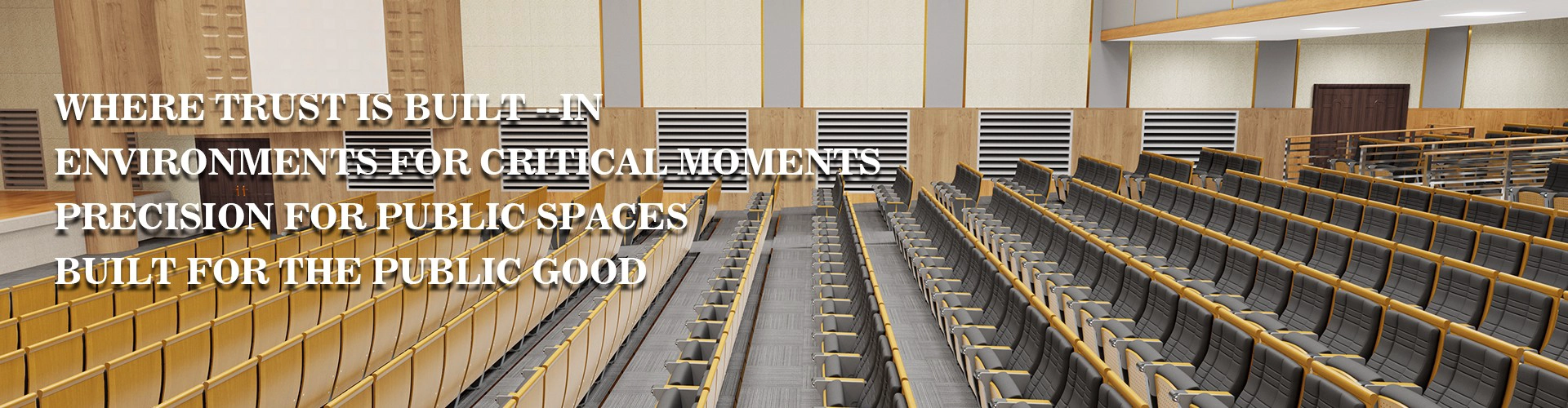
Driven by blended learning and agile training concepts, single-function training classrooms are gradually becoming a thing of the past. Modern training spaces need to seamlessly switch between various modes, such as lectures, group discussions, case studies, and even impromptu meetings. Traditional fixed tables and chairs, due to their rigid layout, are no longer suitable for this high-frequency change requirement. Modularly designed training chairs were created to solve this pain point, giving space unlimited reconfiguration possibilities.
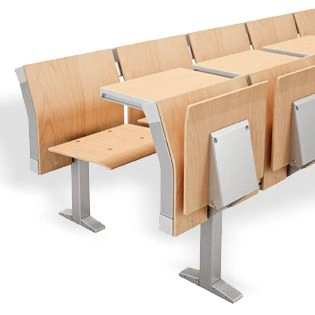
The core appeal of this new type of training chair lies in its "building block" assembly capability. Through precise connecting mechanisms, the chairs can be quickly and stably assembled into various arrays such as straight lines, curves, U-shapes, or islands, much like puzzle pieces. When large lectures are needed, they can be combined into neat rows to maximize the number of attendees; when group discussions are required, multiple independent round tables can be easily formed with simple operations, promoting interaction and communication among participants. This flexibility greatly improves the efficiency of space utilization, allowing limited physical space to accommodate unlimited uses.
Besides the flexibility of the floor plan, the utilization of vertical space is also a key focus of modular design. Many training chairs are equipped with foldable and detachable writing boards. When writing is not needed, the writing board can be easily folded away or removed, instantly freeing up space and making the chair more portable. Some high-end models also feature a stackable design, allowing the chair to be easily folded and stacked for storage after training, significantly reducing its size and freeing up valuable space for other activities. This extreme pursuit of space efficiency transforms the training chair from a space occupant into a catalyst for space function.
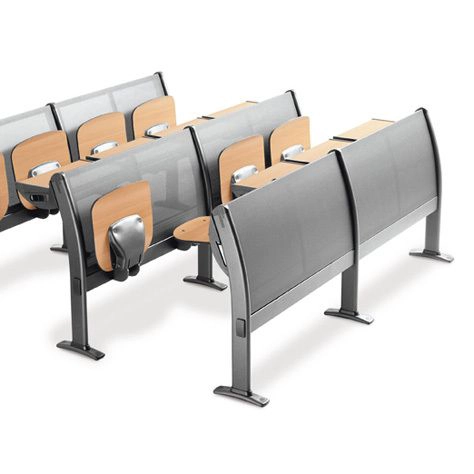
It is worth noting that this modular concept is perfectly integrated with the durability standards of modern training chairs. To withstand frequent disassembly and relocation, manufacturers have chosen high-strength engineering plastics and metal frames, ensuring the product remains as sturdy as ever after countless reassemblies. At the same time, the lightweight design makes moving effortless, allowing even a single person to easily set up the space. Future training spaces will undoubtedly be constructed from these flexible and versatile modular units, providing the most suitable environment for every training session.