







Reshaping Learning Power: How New Ergonomic Standards Define the Future of Training Chairs
As knowledge transfer transcends one-way instruction, the impact of the learning environment on learners' focus and engagement becomes paramount. As the most fundamental element of any training space, the training chair is undergoing a profound paradigm shift. It is no longer merely a tool for seating, but has been redefined as a "second classroom" that enhances learning efficiency and safeguards physical and mental well-being.
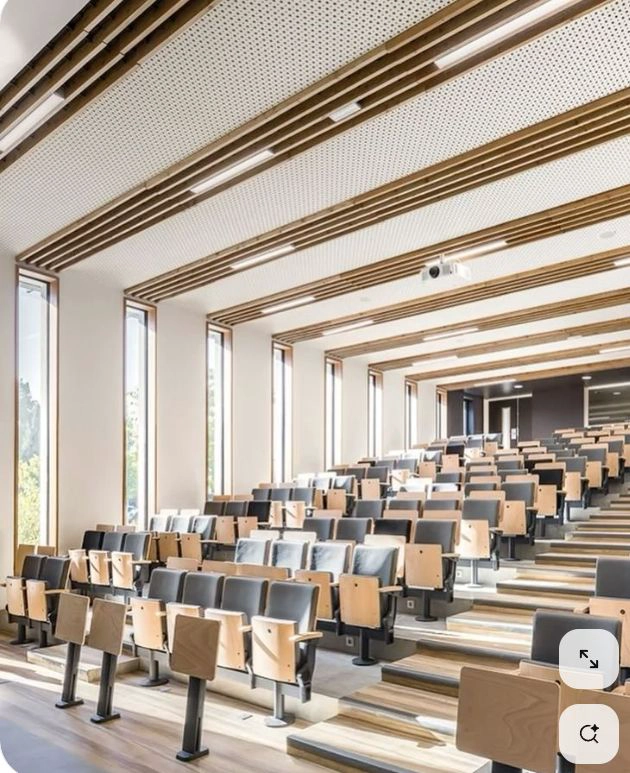
For a long time, traditional training chairs have often been conservative, focusing primarily on cost control and durability while severely neglecting the physiological needs of the human body during prolonged sitting. Stiff backrests, sagging cushions, and lack of lumbar support—these "hidden killers" lead to frequent back pain and difficulty concentrating in the latter half of training sessions. This physical discomfort directly undermines learning effectiveness, resulting in a disproportionate return on investment.
Today, industry leaders are dedicated to incorporating cutting-edge ergonomic concepts into the design of every training chair. By collecting and analyzing massive amounts of human body data, designers precisely replicated the S-curve of the spine, creating an intelligent mesh fabric system that dynamically conforms to the back. This highly elastic mesh fabric not only automatically adjusts its support according to the user's body shape and posture, effectively distributing pressure, but also promotes air circulation, keeping the back dry and comfortable even during high-intensity training. The seat cushion design is equally crucial. Utilizing high-density cold foam technology, the cushion effectively prevents sagging after prolonged sitting, while its waterfall design at the front edge reduces pressure on leg blood vessels, promoting blood circulation and preventing "sitting-related illnesses" at their source.
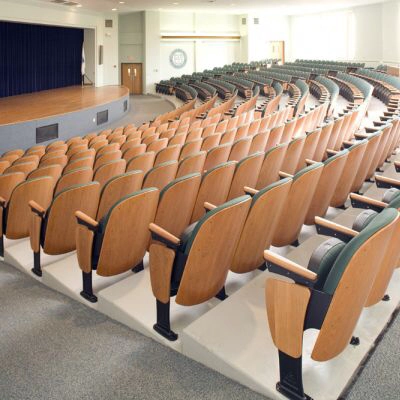
Furthermore, modern training chairs are incorporating dynamic balance mechanisms. The backrest is no longer a fixed hard board but features a certain range of reclining adjustment, allowing learners to find the most relaxed posture while thinking or listening, providing more adequate blood supply to the brain. This shift from "passive endurance" to "active support" reflects the deepest respect and care for learners. An excellent training chair should be a reliable partner for learners exploring the ocean of knowledge, not a burden hindering their progress.