





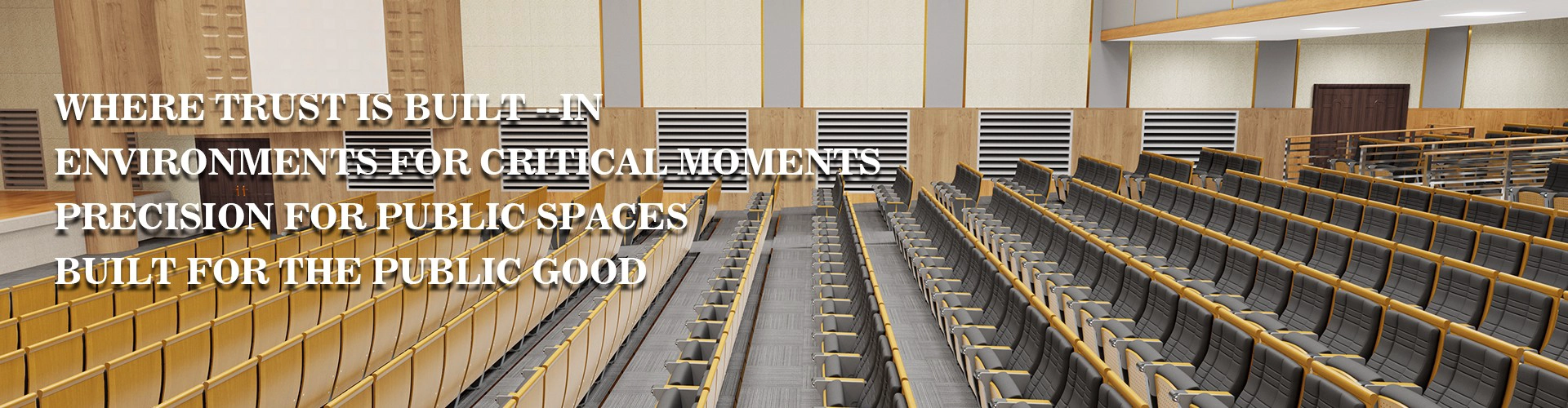
From "Making Do" to "Mindful Seating": How Ergonomics is Reshaping the Public Waiting Experience
Our spines have a natural S-shaped curve, but traditional flat waiting chairs often contradict this curve. Sitting on such chairs for extended periods leaves the lumbar spine unsupported, forcing back muscles to remain constantly tense to maintain posture – the root cause of "the more you sit, the more tired you get." The industry has keenly identified this pain point and is extensively incorporating ergonomic principles, previously applied to high-end office chairs, into the design and manufacturing of waiting chairs.
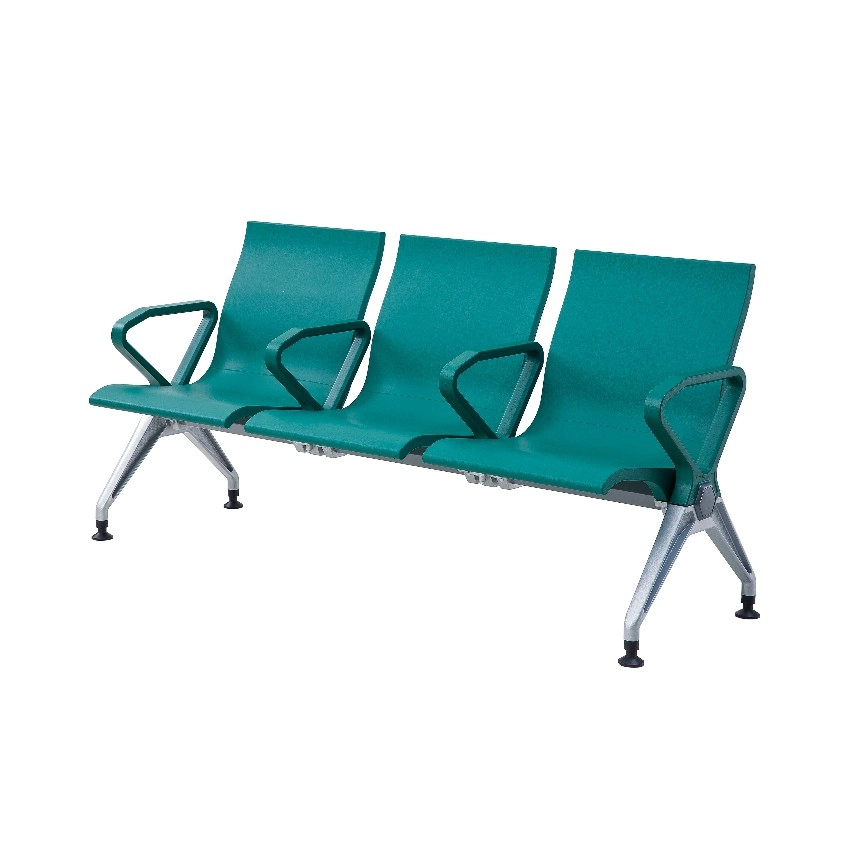
The core of this transformation lies in "conformance" and "support." The backrests of the new generation of waiting chairs are no longer simple flat panels, but precisely calculated three-dimensional curves. This design aims to mimic the natural shape of the spine, providing precise support points for the thoracic and lumbar vertebrae. Especially for the lumbar region, the most vulnerable area for those who sit for long periods, many products are adopting thickened, heightened, or built-in elastic lumbar support designs. This ensures that when leaning back, the lower back has firm support, effectively distributing spinal pressure and reducing muscle strain.
Besides the backrest, the seat design has also undergone an "evolution." Early waiting chairs, for ease of cleaning and durability, often used entirely hard materials. While durable, comfort was lacking. Modern waiting chairs have found a perfect balance between the two. High-density cold-cure foam and highly elastic mesh materials are widely used. These materials provide a cloud-like soft seating experience while also possessing excellent resilience, evenly distributing pressure on the hips and avoiding the awkwardness of "sinking in" or "hard contact." At the same time, the depth and width of the seat have been optimized to ensure comfortable seating for adults while preventing lower back strain caused by overly deep seats.
This meticulous attention to detail is not only reflected in the product itself but also reflects an upgrade in the philosophy of public service. When a hospital replaces its waiting room chairs with ergonomically designed ones, it sends a message to patients: "We care about your physical comfort, even during the waiting process." When an airport provides resting chairs that support the neck, it offers silent comfort to weary travelers.
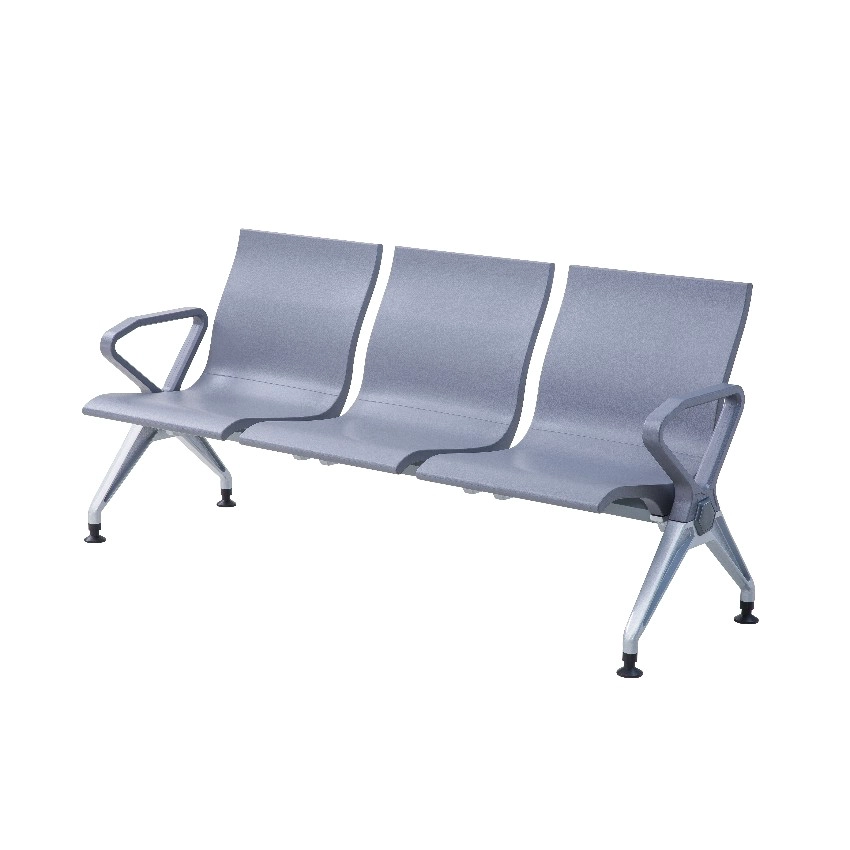
For the industry, this is both a challenge and an opportunity. Ergonomic design requires more complex molds, more expensive materials, and more sophisticated manufacturing processes, which means increased costs. How to control costs while ensuring a high-quality experience to meet the demands of large-scale public procurement is a challenge that every manufacturer needs to address. Furthermore, different groups of people (such as the elderly, children, and adults of different body types) have different definitions of comfort. Designing a universally applicable "golden seat" is also a continuous area of exploration for designers.
In short, the shift from "making do" to "paying attention to detail" is not just a change in the physical form of waiting chairs, but a return to respect and care for people. In the future, waiting chairs will no longer be a burden on the body, but guardians of health. They will use scientific curves to support our fatigue and expectations in public spaces.