





The New Frontier of Live E-commerce: How the Waiting Chair Industry is Embracing the "Screen" Economy?
For a long time, the sales model of the waiting chair industry (especially public waiting chairs) has been relatively traditional and closed. Companies often rely on engineering projects, government procurement, or B2B wholesale channels. In this model, the product is reduced to cold specifications in a bid document, a symbol on a drawing; customers find it difficult to intuitively experience the product's texture, comfort, and detailed craftsmanship. While this "seeing without touching" transaction method has become commonplace in the industry, its drawbacks are becoming increasingly apparent with intensified market competition and the rise of a new generation of procurement decision-makers – low brand recognition, lack of consumer experience, and serious product homogenization.
The emergence of live e-commerce provides a key to solving these problems. The core advantages of live streaming lie in "what you see is what you get" and "real-time interaction." For a product like waiting chairs, which heavily relies on experience, live streaming can break down geographical and temporal barriers, allowing consumers to "touch" the product from all angles without leaving their homes.
First, live streaming can **showcase product details and materials to the fullest**. In traditional text and image descriptions, we can only describe "made of high-quality cold-rolled steel plate with electrostatic powder coating," but consumers have no real understanding of this. In a live stream, the host can spray water droplets to demonstrate the chair's waterproof and sun-resistant properties; they can pick up the 3D-carved chair back to show its delicate, burr-free texture up close; they can even demonstrate the assembly and disassembly process of the chair, proving its structural stability and convenience. This intuitive visual impact is something that no amount of eloquent language can match.
Secondly, live streaming can **vividly demonstrate usage scenarios**. The value of a waiting chair lies in its "use." In the live stream, the host can simulate different scenarios: in a hospital setting, demonstrating the chair's easy cleaning and antibacterial properties; in a shopping mall setting, showcasing how its stylish appearance enhances the space; and in an outdoor setting, demonstrating its wind and rain resistance. Through scenario-based demonstrations, viewers can quickly relate the product to their actual needs, thus stimulating purchasing desire.
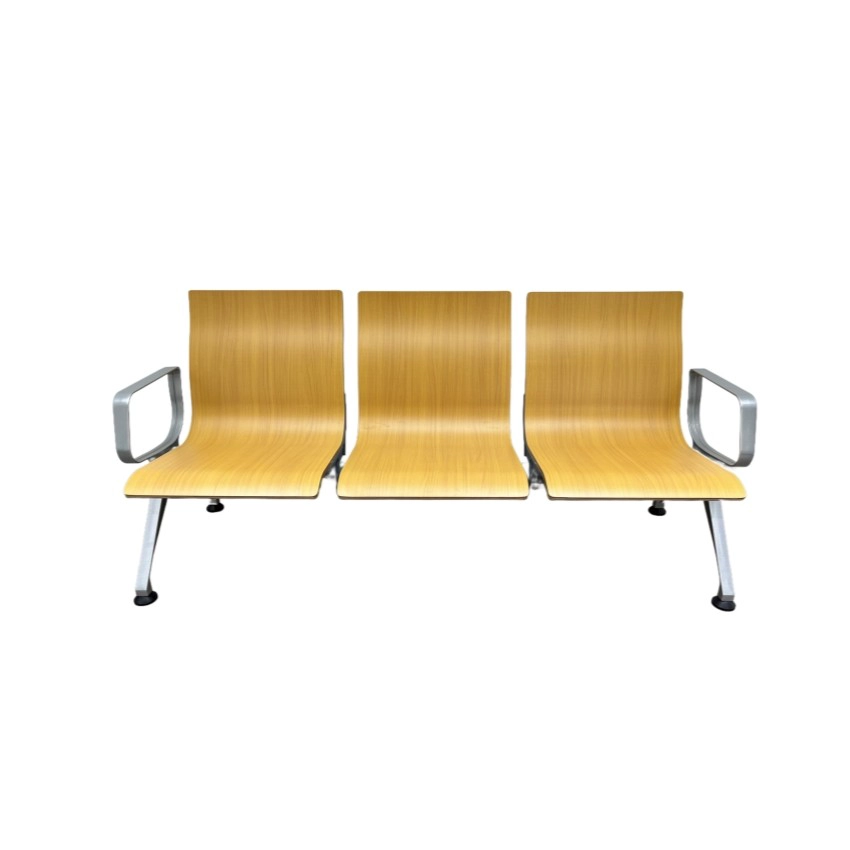
More importantly, live e-commerce has brought **new growth logic and user insights** to the waiting chair industry. Through live streaming, companies can directly face end-users (C-end) or precise B-end customers (such as coffee shop owners, interior designers), collecting first-hand feedback and needs. This valuable data can feed back into the company's R&D and production, making product design more aligned with market demand. For example, through questions from live stream viewers, companies may discover a huge market demand for "customizable colors" or "modular combinations" of waiting chairs, thus quickly adjusting their product strategy and launching more competitive new products.
Of course, switching from traditional factory thinking to live streaming traffic thinking is not an overnight process. This requires waiting chair companies to have a professional live streaming team, high-quality content planning capabilities, and efficient supply chain response speed. How to stand out among numerous live streams? How to convert short-term traffic into long-term brand assets? These are all questions that companies need to carefully consider.
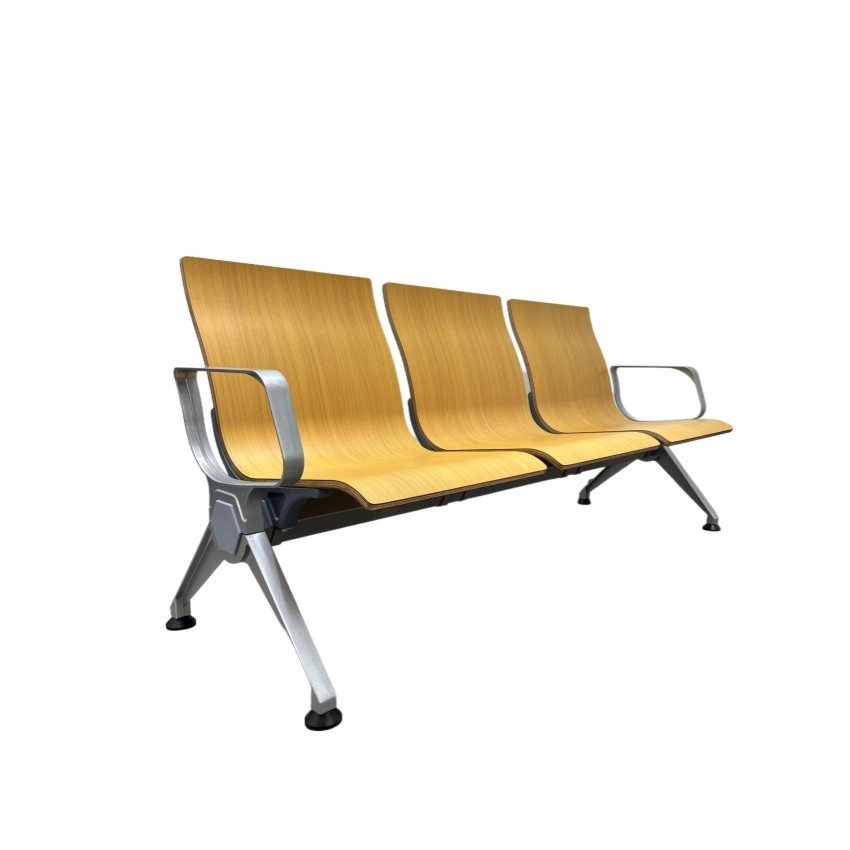
But undeniably, live e-commerce has opened a door to the future for the waiting chair industry. It has made this once "obscure" industry vibrant, transparent, and full of vitality. Those companies that can be the first to master the "screen" economy code and perfectly combine product power with content power will undoubtedly seize the initiative in the new round of market competition, allowing their brands and products to reach thousands of households through a single internet connection, adorning every corner that needs a place to rest.