





From "Rock-Hard" to "Cloud-Like": The Waiting Chair Industry Undergoes a Comfort Revolution
In 2025, waiting chairs are no longer just an optional "accessory" in public spaces, but a "thermometer" measuring the quality of service and humanistic care of a venue. In the past, to prioritize durability and ease of cleaning, waiting chairs in public places were mostly made of all-metal, hard plastic, or thin plywood. While this design reduced maintenance costs, it greatly sacrificed user experience. Now, this era of "prioritizing function over experience" is over.
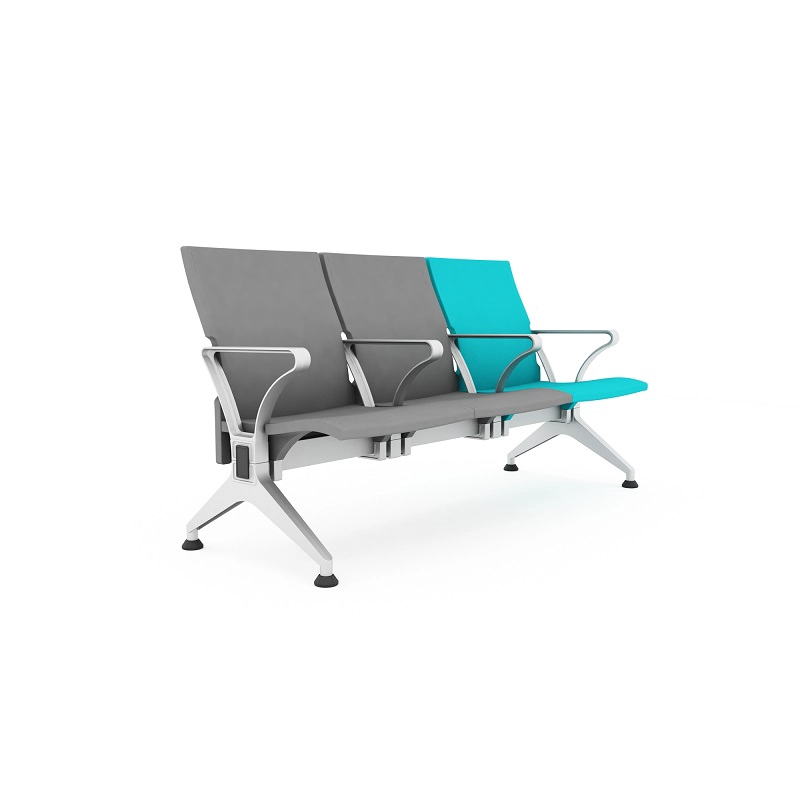
The latest industry trends show that new waiting chairs are increasingly using high-density molded foam, breathable mesh fabric, and multi-point support structures that conform to the curves of the human spine. Designers are starting to design waiting chairs like high-end sofas. For example, at some stations on the Fuzhou subway, the newly replaced waiting chairs have added soft, warm cushions, allowing passengers to feel warm even in the cold winter; and in major high-end car dealerships and beauty salons, the comfort of waiting chairs has even surpassed that of ordinary home sofas, striving to create a "home away from home" feeling for customers.
Behind this comfort revolution are advancements in material science and upgrades in design concepts. The new soft-cushioned waiting chairs are not only more skin-friendly to the touch but also more user-friendly in function. Many products are beginning to incorporate the concept of "dynamic support," where the backrest can be adjusted according to the user's weight and posture, effectively alleviating fatigue caused by prolonged sitting. In the waiting area of a large general hospital in Shenzhen, after replacing the waiting chairs with new ergonomic ones, the patient complaint rate decreased by nearly 40%, and people generally reported that "the waiting time seems shorter."
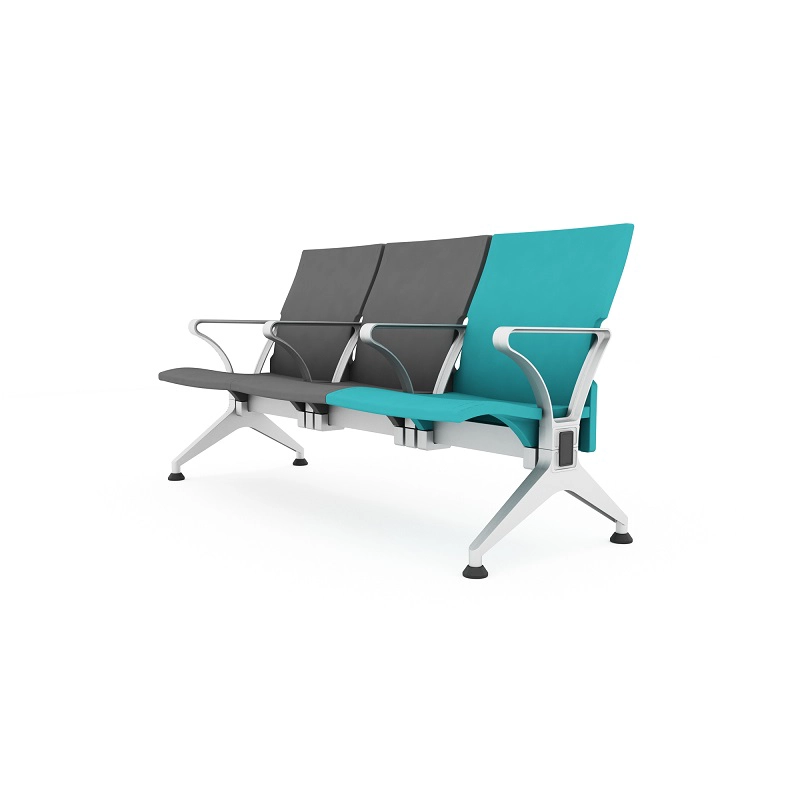
Furthermore, this trend has also driven the development of related industries. From the manufacturing of high-resilience foam to the research and development of environmentally friendly flame-retardant fabrics, and to the precision processing of metal frames, the entire waiting chair industry is moving towards higher value-added products. We can even see that some high-end brands are beginning to incorporate massage and heating functions into the design of waiting chairs. Although the current cost is high, this undoubtedly points the way to the future of the industry.
The increased comfort of waiting chairs is not just a product upgrade, but also a reflection of social progress. It signifies a profound transformation in the design of our public spaces, shifting from simply prioritizing "convenience for management" to a "people-centered" approach. When a waiting chair can truly allow you to relax, it embodies the most sincere care that cities and institutions have for individuals.