





Smart IoT Waiting Chairs: Transforming Public Spaces into "Invisible Butlers"
In 2025, with the rapid development of digitalization and the Internet of Things (IoT), waiting chairs have transcended the definition of traditional furniture, evolving into crucial "nerve endings" of smart venues and smart cities. This seemingly ordinary chair now integrates sensors, displays, charging modules, and even environmental monitoring systems, becoming an intelligent terminal connecting people and spaces.
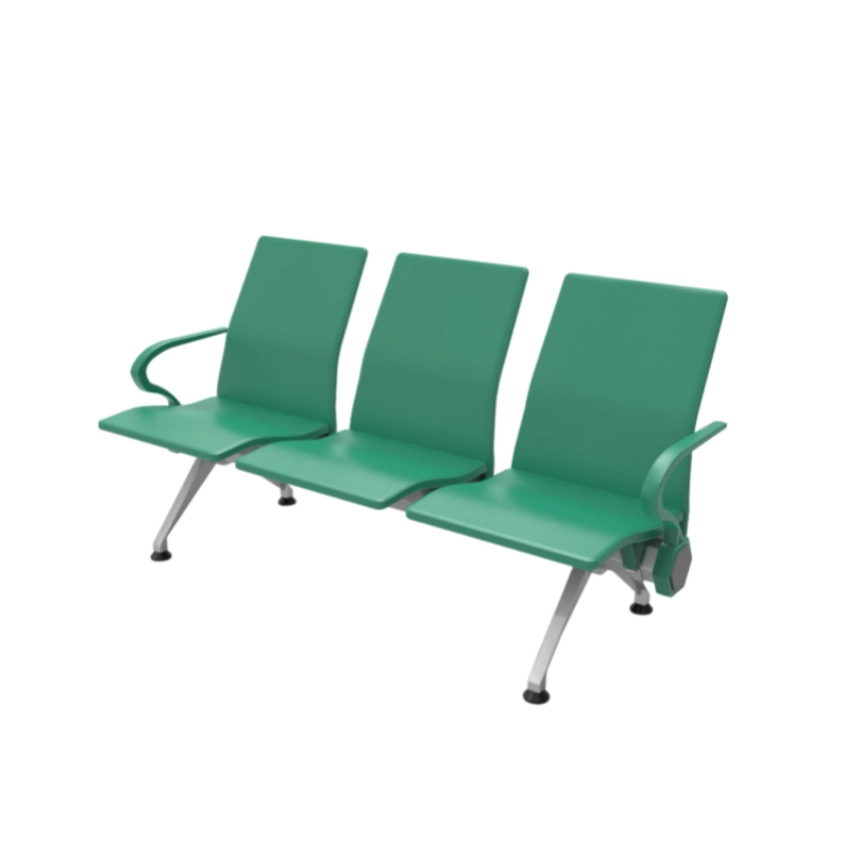
Currently, these smart waiting chairs are appearing in high-speed rail stations, airports, large convention centers, and high-end commercial buildings. Their core functions extend far beyond simply providing a place to rest. For example, built-in pressure sensors can monitor seat occupancy in real time and synchronize the data with the venue's central management system. When all the waiting chairs in a certain area are occupied, the system automatically guides subsequent visitors to available areas via navigation screens or apps, greatly optimizing space utilization and preventing congestion.
Even more impressive is their interactive capability. In a smart library in Hangzhou, the waiting chair armrests are equipped with touch panels, allowing readers to instantly search for book locations, reserve seats, and even call staff. In the lobbies of some high-end office buildings in Guangzhou, the waiting chairs can even connect to visitors' mobile phones via Bluetooth, automatically illuminating the corresponding seat number based on the visitor's reservation information, making the reception process elegant and efficient.
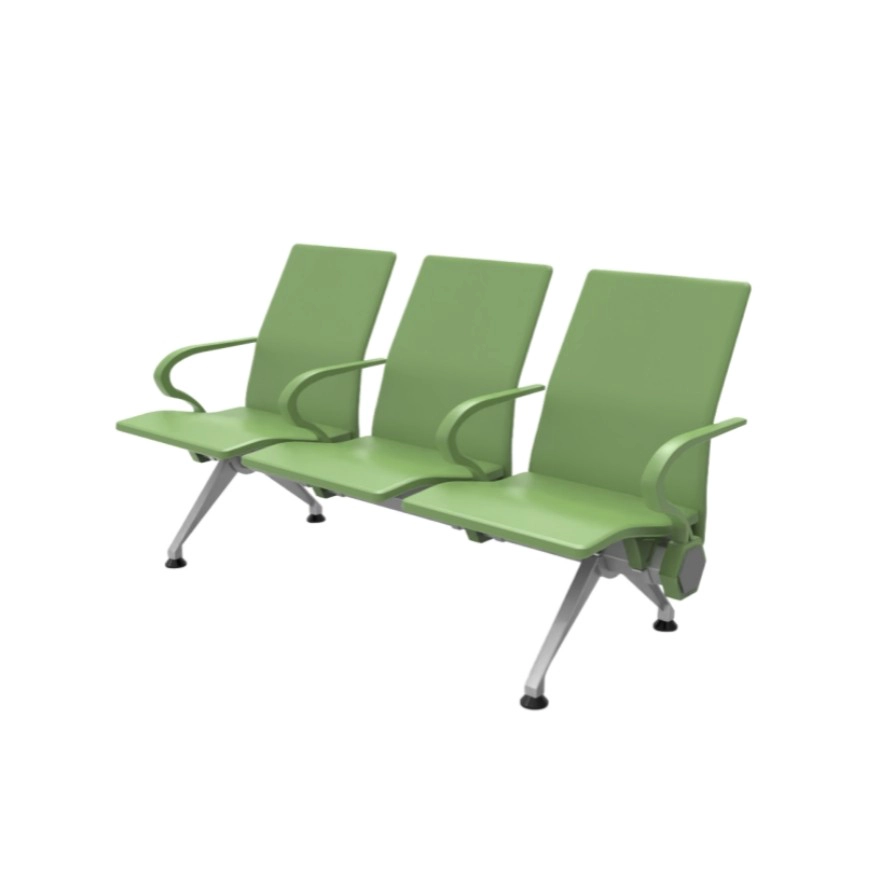
Besides improving efficiency, smart waiting chairs also demonstrate amazing potential in energy management. Some outdoor or lobby waiting chairs are beginning to utilize solar panels or human kinetic energy to generate electricity, meeting their own lighting and charging needs and achieving true green sustainability. At the same time, the air quality monitoring modules equipped on the chairs can display real-time data on PM2.5, temperature, and humidity, making the waiting process more transparent and reassuring.
This transformation presents new challenges and immense opportunities for the waiting chair manufacturing industry. Traditional furniture manufacturers must collaborate with software companies and electronic hardware manufacturers to create truly intelligent products that meet market demands. In the future, with the further integration of AI technology, waiting chairs may even be able to actively provide massage services, adjust lighting brightness, and even recommend nearby dining options based on the user's facial expressions and posture.
The intelligence of these waiting chairs is the best embodiment of the human touch of technology. It transforms cold, impersonal public facilities into responsive and helpful amenities, turning long waits into a time to enjoy the convenience of technology. This "thinking chair" is redefining the service standards of public spaces.