





Furniture-as-a-Service Comes to K-12: The Subscription School Desk and Chair That Grows With the Child
Why does a school district sink hundreds of thousands of dollars into purchasing furniture that becomes obsolete and broken within a decade? A disruptive "Chairs-as-a-Service" model now offers a perpetually refreshed, perfectly maintained school desk and chair fleet for a flat monthly fee, turning a capital nightmare into an operational budget line.
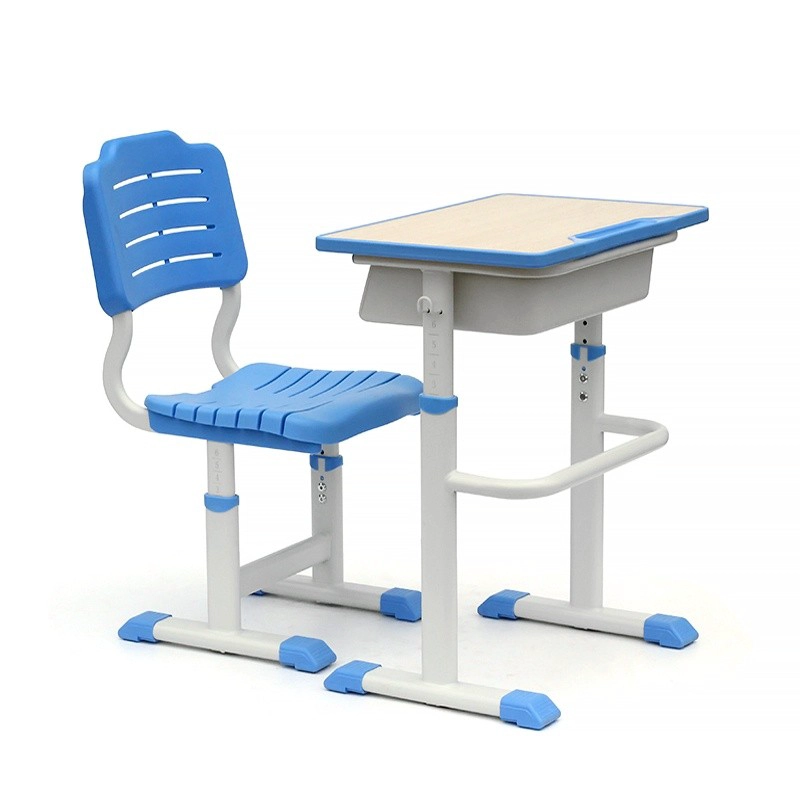
School district business managers are trapped in a boom-and-bust cycle with furniture. A bond issue passes, a brand-new fleet of desks and chairs is purchased, and then maintenance budgets are slashed. Ten years later, the furniture is held together with duct tape and prayers, and students are sitting in chairs that are dangerously wobbly or ergonomically unsuitable for their changing bodies. A circular-economy start-up called "EduLoop" has introduced a fully managed service model. For a per-student monthly fee, the company equips a school with a state-of-the-art, height-appropriate school desk and chair, assumes all liability for repair and cleaning, and guarantees a swap-out for a larger size as the student cohort grows. The school never owns the furniture; they subscribe to the outcome of functional, clean, modern seating. This shifts the incentive dramatically: EduLoop is now financially motivated to build an indestructible school desk and chair that can be refurbished and re-leased indefinitely, because a broken chair is a direct cost to their bottom line.
The operational logistics are impressive. Each school desk and chair in the fleet is RFID-tagged and tracked on a digital asset management platform. A school administrator can log a repair request via a mobile app by scanning the tag, and a service technician arrives within 72 hours to perform the fix on-site, without disrupting class. During the summer, the EduLoop team performs a "deep clean and retrofit" of the entire fleet, replacing worn casters, scratched desk tops, and faded upholstery cassettes. Because the school desk and chair is designed as a platform, aesthetic updates — a new school color scheme, a different edge band — can be rolled out across the district without buying new furniture. This model eliminates the "sunk cost" psychology that forces students to endure broken chairs for years.
Sustainability metrics are the model’s second pillar. Traditional procurement results in thousands of chairs in landfills every year. Under the subscription model, the school desk and chair never enters the waste stream. At the end of its serviceable life (which EduLoop extends to twenty-five years through remanufacturing), the chair is disassembled and the materials — steel, aluminum, polymer — are channeled back into the manufacturing supply chain. The district receives a verified Environmental, Social, and Governance (ESG) report documenting their circular economy contribution, increasingly important for school board accountability. The subscription cost, when factoring in avoided capital expenditure and reduced custodial labor, is competitive with the total cost of ownership of a cheap, disposable chair. This is the servitization of the physical classroom: the school desk and chair is no longer a product you buy, but a service you trust to support learning every day.