







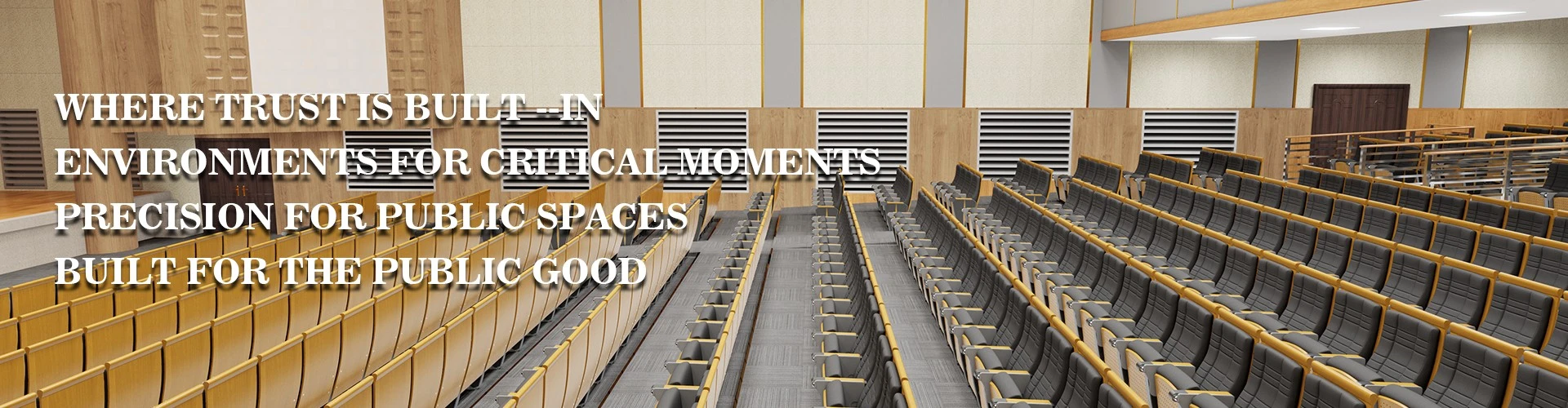
Leno Auditorium Chairs Market Trends 2025: Innovations, Sustainability & Industry Growth Outlook
Market Trends and Future Development Directions of Leno Auditorium Chairs
The global auditorium furniture market is undergoing a transformative phase, with Leno auditorium chairs emerging as a key focus due to their balance of comfort, durability, and adaptability. As venues—from concert halls to corporate auditoriums—prioritize user experience and operational efficiency, Leno’s product development aligns with critical industry shifts. Here’s a breakdown of current market trends and future development directions for Leno auditorium chairs.
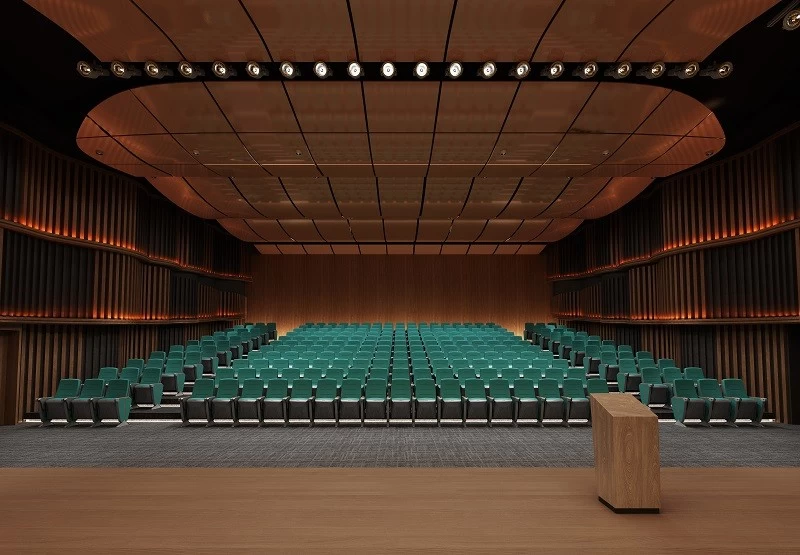
1. Sustainability: A Non-Negotiable Market Demand
Eco-consciousness now drives procurement decisions across the industry. Leno is responding by integrating recycled materials (e.g., post-consumer plastics, reclaimed wood) into chair frames and upholstery, reducing carbon footprints without compromising structural integrity. Additionally, the brand is exploring biodegradable fabrics and low-VOC (volatile organic compound) finishes, catering to venues targeting green certifications like LEED. This shift isn’t just ethical; it’s economic—sustainable chairs attract environmentally aware clients and comply with tightening global regulations.
2. Smart Integration: Merging Comfort with Technology
Modern audiences expect seamless tech integration, and Leno is embedding intelligence into its auditorium chairs. Key innovations include:
- Built-in USB-C/USB-A charging ports for devices, eliminating the need for external power strips.
- Adjustable lumbar support with memory settings (via app or seat controls), enhancing personalized comfort.
- Integrated LED lighting for aisle guidance (e.g., dimming during performances, highlighting empty seats), improving safety and ambiance.
These features position Leno chairs as “smart seating solutions,” differentiating them from traditional models and meeting the demand for tech-forward venues.
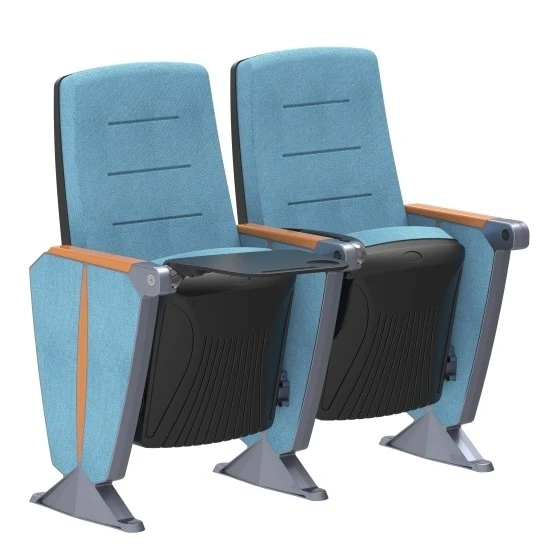
3. Ergonomic Design: Prioritizing Long-Term Comfort
With events often lasting hours, ergonomic design is no longer optional. Leno’s R&D focuses on:
- Anatomically contoured backrests and seat pans that reduce pressure points, minimizing discomfort during extended use.
- Modular designs that allow venues to customize chair configurations (e.g., spacing, armrest styles) based on audience needs (e.g., taller seats for theaters, compact layouts for lecture halls).
- Lightweight yet robust materials (e.g., aluminum alloys) that balance durability with easy reconfiguration, reducing labor costs for venue staff.
This emphasis on ergonomics boosts audience satisfaction and supports venues in retaining patrons.
4. Customization: Catering to Diverse Venue Needs
One-size-fits-all solutions are fading. Leno offers extensive customization options, including:
- Color and fabric choices to match venue aesthetics (e.g., velvet upholstery for luxury theaters, durable synthetics for schools).
- Functional add-ons like cup holders, tablet arms, or foldable writing surfaces, tailored to venue types (e.g., educational institutions, conference centers).
- Branding opportunities (e.g., embroidered logos, custom stitching), helping venues reinforce their identity.
This flexibility allows Leno to serve a broad client base—from small community halls to large-scale performance venues.
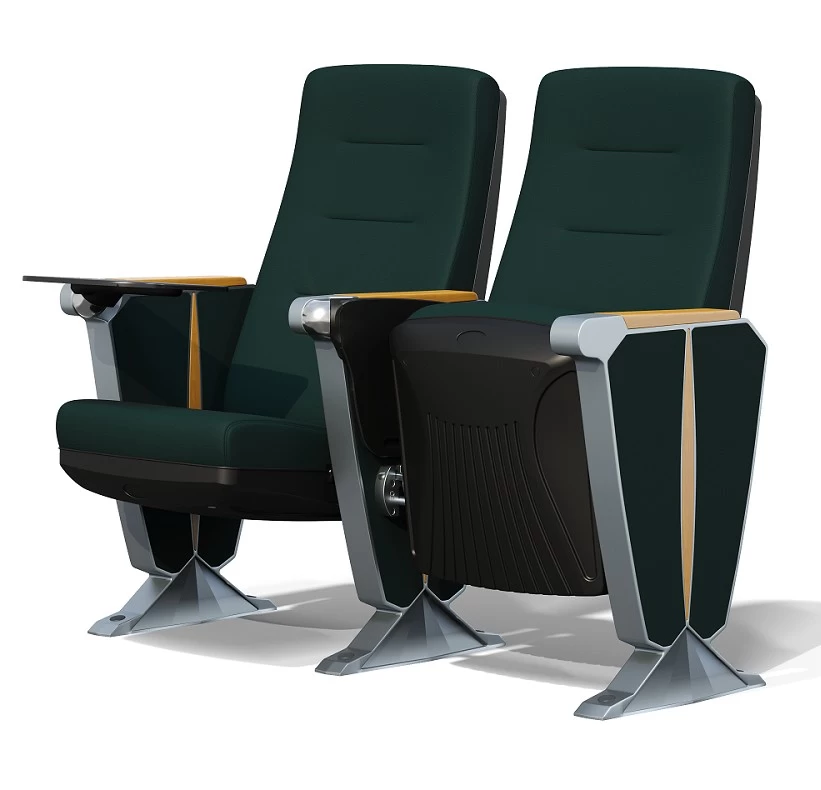
5. Global Market Expansion and Niche Targeting
While Leno has a strong presence in established markets (e.g., North America, Europe), the brand is expanding into emerging regions (e.g., Southeast Asia, the Middle East), where infrastructure development is driving demand for modern auditoriums. Simultaneously, Leno is targeting niche segments:
- Accessible seating with features like wheelchair-accessible spaces and adjustable heights.
- Acoustic-optimized chairs that minimize noise (e.g., silent armrests, vibration-dampening materials), ideal for concert halls and recording studios.
This dual approach—global reach and niche specialization—ensures Leno stays competitive in a crowded market.
6. Digital-First Sales and Support
The buying journey for auditorium chairs is increasingly digital. Leno has adapted by:
- Offering 3D configurators on its website, letting clients visualize custom chairs in their venue’s layout.
Future Outlook: Where Leno Auditorium Chairs Are Headed
Looking ahead, Leno’s development will likely focus on:
- AI-driven design optimization: Using data from user feedback to refine ergonomics and materials.
- Circular economy models: Introducing chair take-back programs for recycling or refurbishment.
- Hybrid event readiness: Chairs with built-in connectivity for hybrid (in-person + virtual) events (e.g., integrated microphones, camera mounts).
By staying ahead of these trends, Leno is poised to lead the next wave of auditorium chair innovation.