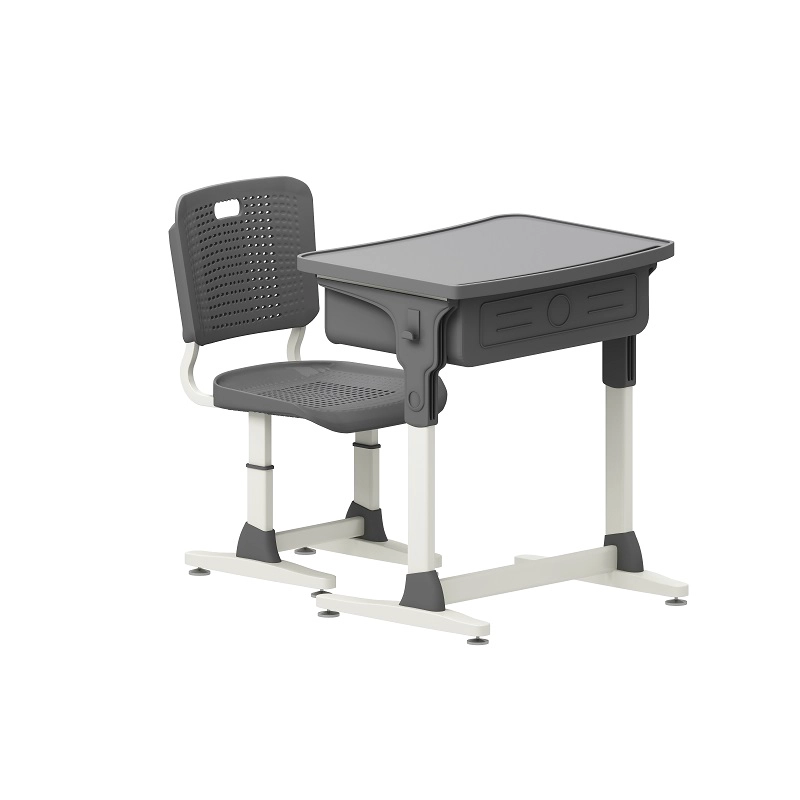





Future of Leno Student Desks and Chairs: Key Industry Trends Shaping Educational Furniture
The Future Direction of Leno Student Desks and Chairs
As the education sector evolves, so does the demand for student furniture—particularly desks and chairs that balance comfort, functionality, and adaptability. Leno, a brand synonymous with quality educational furniture, is at the forefront of these changes, aligning its product development with key industry trends. Here’s a deep dive into the directions shaping the future of Leno student desks and chairs.
1. Ergonomics: Prioritizing Student Health and Comfort
The shift toward ergonomic design is no longer optional—it’s a necessity. Prolonged sitting in poorly designed chairs can lead to musculoskeletal issues, impacting students’ focus and learning outcomes. Leno is responding by:
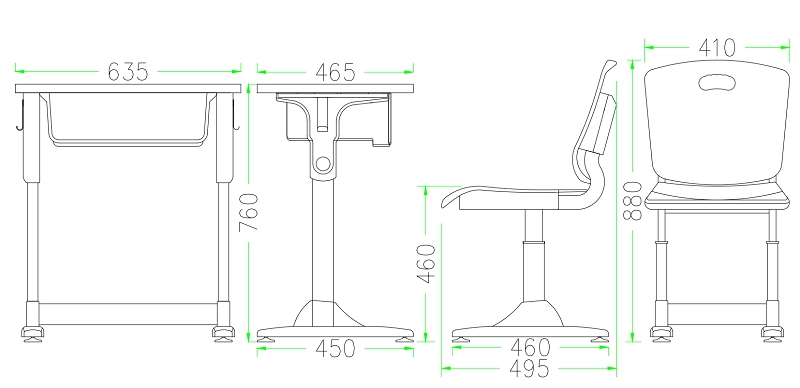
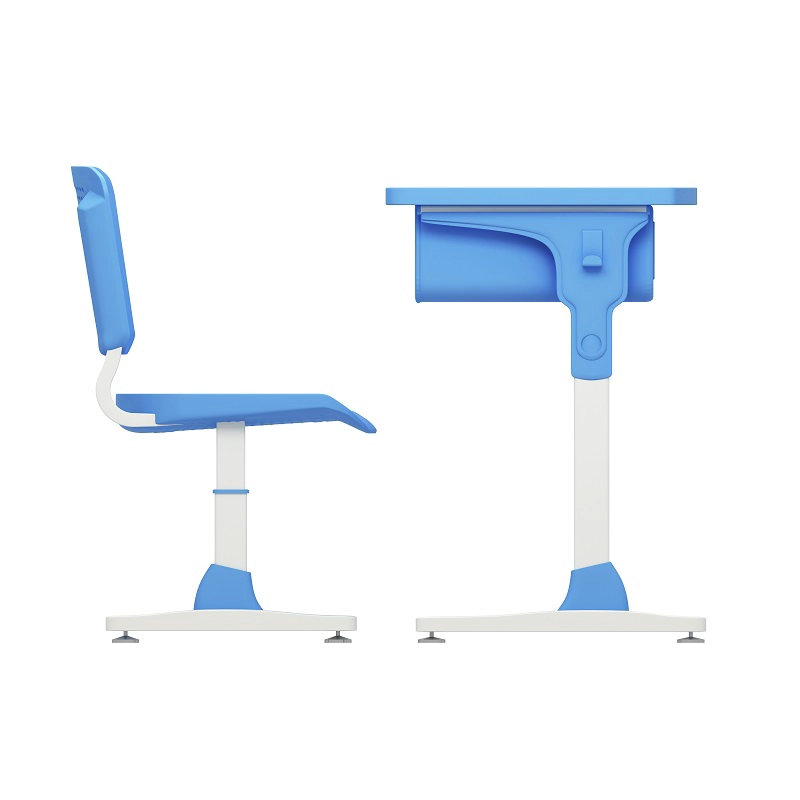
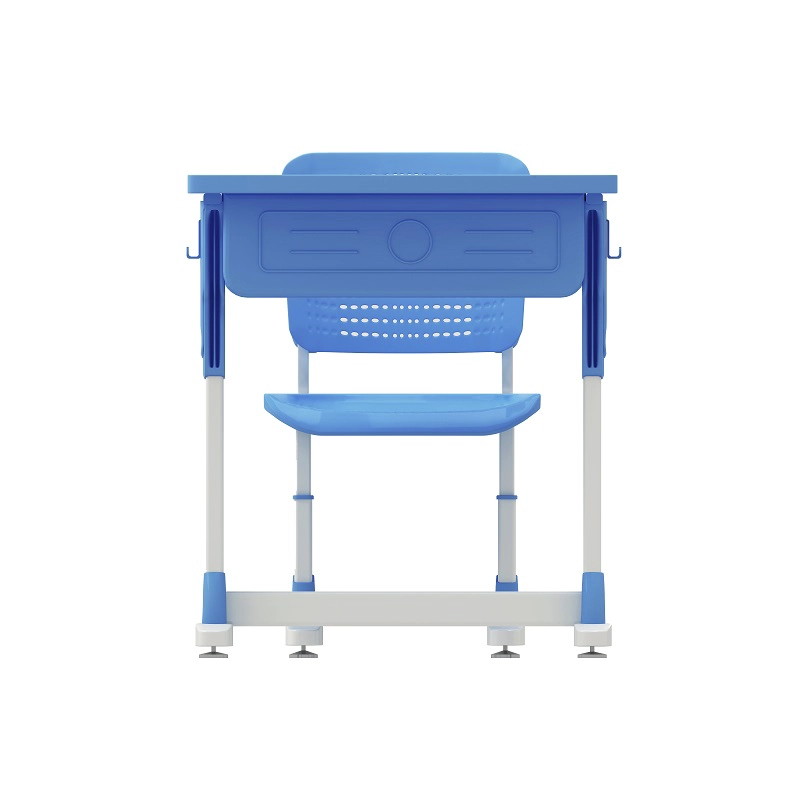
- Introducing height-adjustable desks and chairs** to accommodate students of different ages and body types.
- Using contoured backrests and padded seats to reduce spinal strain.
- Incorporating anti-fatigue footrests and rounded edges for added comfort and safety.
Why it matters: Ergonomic furniture reduces physical discomfort, helping students maintain better posture and stay engaged during long study sessions. Schools are increasingly prioritizing health-focused designs, making this a key selling point for Leno.
2. Sustainability: Meeting Eco-Friendly Demands
Sustainability is a growing concern for schools, parents, and governments. Leno is adapting by:
- Using recycled and renewable materials (e.g., recycled plastics, sustainably sourced wood) in its production.
- Adopting **low-emission manufacturing processes to minimize environmental impact.
- Designing **durable, long-lasting products to reduce waste and the need for frequent replacements.
Industry context: With global initiatives pushing for greener schools, Leno’s commitment to sustainability not only meets regulatory requirements but also appeals to eco-conscious buyers. This trend is expected to dominate the educational furniture market in the coming years.
3. Smart Integration: Embracing Technology
Modern classrooms are tech-driven, and furniture must keep pace. Leno is integrating smart features to create interactive, efficient learning spaces:
- Built-in power outlets and USB ports for charging devices.
- Integrated cable management systems to keep desks clutter-free.
- Modular designs that allow easy reconfiguration for group work, presentations, or individual study.
Future potential:As AI and IoT devices become more common in classrooms, Leno may explore smart desks with embedded sensors to monitor posture or adjust height automatically—further enhancing the learning experience.
4. Customization: Catering to Diverse Needs
One-size-fits-all solutions are outdated. Leno is offering greater customization to meet specific school and student requirements:
- Size and color optionsto match school interiors and branding.
- Specialized designs for students with disabilities (e.g., wheelchair-accessible desks).
- Modular furniture sets that can be combined in various ways to suit different classroom layouts.
Market advantage:Customization allows Leno to serve a broader range of clients—from primary schools to universities—while ensuring its products meet unique functional and aesthetic needs.
5. Hybrid Learning Adaptation: Flexibility for Any Environment
The rise of hybrid learning (combining in-person and online education) has changed how classrooms are used. Leno is adapting by:
- Designing lightweight, portable desks and chairs** that can be easily moved or stored.
- Creating multi-functional furniture (e.g., desks that double as whiteboards or storage units).
- Ensuring compatibility with digital tools (e.g., laptop trays, tablet holders).
Industry shift: As schools adopt flexible learning models, Leno’s focus on adaptable furniture positions it well to meet the needs of evolving educational environments.
6. Safety and Durability: Non-Negotiable Standards
Safety remains a top priority for schools. Leno is reinforcing this by:
- Using non-toxic, child-safe materials (e.g., lead-free paints, BPA-free plastics).
- Conducting rigorous durability tests to ensure products withstand daily wear and tear.
- Adding safety features